


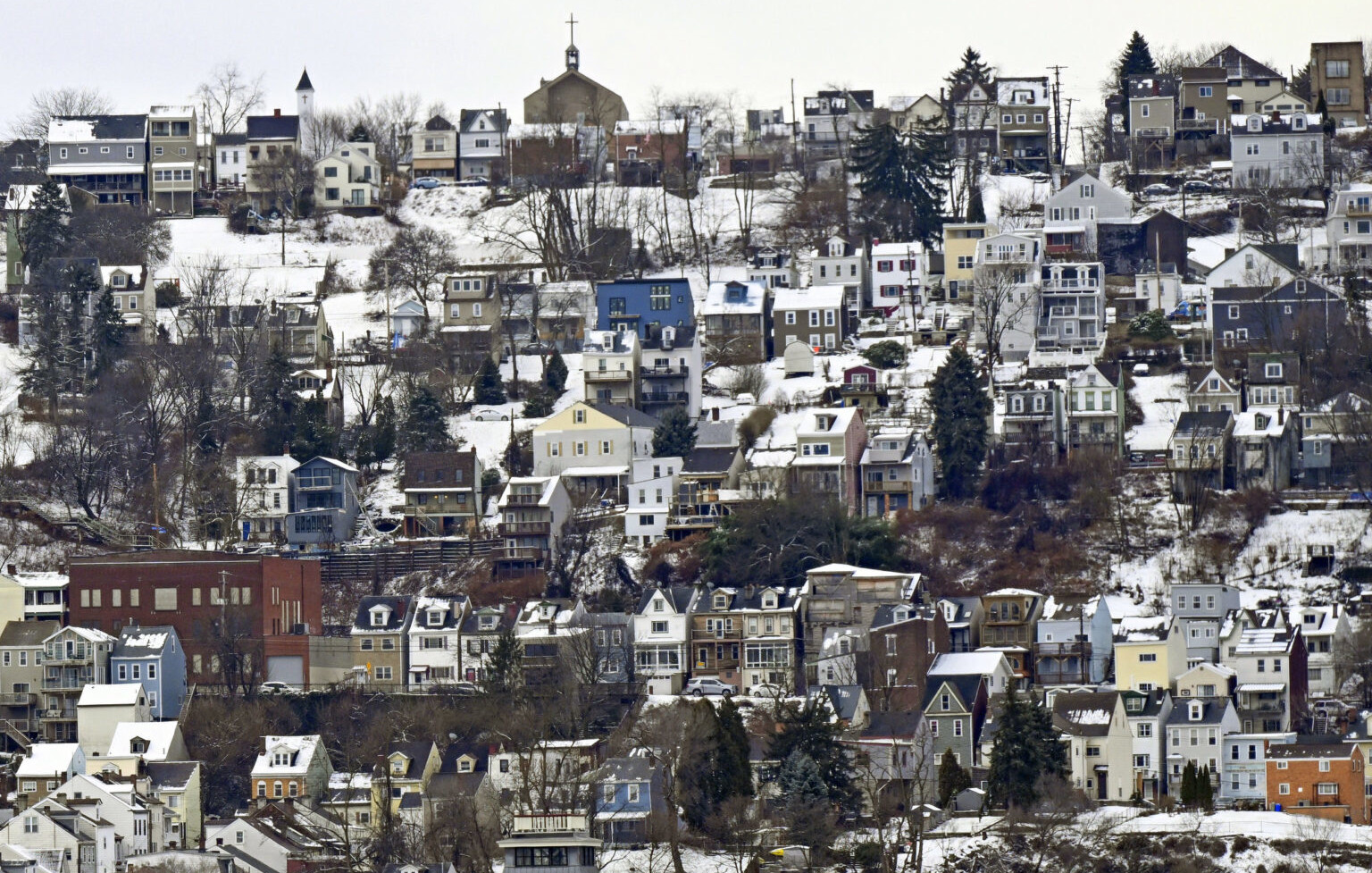
Philly Suburbs, Pittsburgh’s Resurgence, and What It Means on the Ground
New York and New Jersey buyers aren’t suddenly “discovering” Pennsylvania.
They’re doing the math.
After years of bidding wars, waived inspections, and monthly payments that feel increasingly disconnected from reality, many households are realizing that in 2026, Pennsylvania remains one of the few nearby markets where a normal buyer can still purchase a livable home without turning the transaction into a financial endurance test.
Pennsylvania isn’t broadly “cheap.” That narrative oversimplifies what’s happening. Instead, PA is functioning as a relief valve for the NY/NJ pressure cooker — offering pockets where the trade-offs are simply more reasonable:
- More house for the payment
- Negotiations that feel professional rather than frantic
- Stable demand instead of constant frenzy
Here’s where the shift is most visible and how different players should be thinking about it.
Why Pennsylvania Is Pulling Overflow from NY and NJ
The primary driver is straightforward:
Price → Payment → Affordability.
Pennsylvania’s median home price hovered around $305,000 in late 2025, with December figures closer to $289,000. One month’s number isn’t gospel, but the broader trend matters — buyers are regaining modest negotiating room after the intensity of 2021–2023.
Contrast that with much of North Jersey or the NYC metro, where “starter home” often means:
- Condo living
- High monthlies
- Aggressive competition
- Immediate capital expenditure lists
Pennsylvania transactions also carry a noticeably different feel. With sale-to-list ratios around 99%, sellers remain healthy, but buyers aren’t routinely forced into 10% over-ask bidding battles just to compete.
Supply remains tight — roughly 0.8 months — but tight doesn’t automatically mean chaotic. It means competitive, yet negotiable.
And that distinction matters.
The Geography of the “Relief Valve”
Pennsylvania is not one market.
In 2026, the relief-valve effect is concentrated primarily in two regions:
1️⃣ Philadelphia’s Suburbs
Where buyers can trade NJ/NYC pricing for Philly-region economics while maintaining strong access to employment.
2️⃣ Pittsburgh’s Stronger Neighborhoods
Where buyers and investors can still find walkable, functional areas at price points that don’t feel prohibitive.
Large portions of the state remain stable, local-first markets. They don’t move simply because Manhattan moved. But suburban Philadelphia and select pockets of Pittsburgh are absolutely absorbing out-of-area demand.
Philadelphia Suburbs in 2026: Where Demand Is Landing
For many NY/NJ movers, the Philly suburbs represent the most logical first step.
The region offers:
- Major healthcare and education employment
- Corporate job access
- Established infrastructure
- Relative pricing flexibility
The story isn’t centered on trophy Main Line towns. Many still price out average buyers. Instead, value-oriented demand frequently clusters in:
- Montgomery County commuter corridors
- Delaware County (especially for update-ready homes)
- Select Bucks County townships
These areas hit the 2026 sweet spot:
✔ Homes commonly in the $250K–$400K range
✔ Strong neighborhood fundamentals
✔ Buyers feel like they’re buying stability, not speculation
Buyer Reality: What They’re Choosing — and Giving Up
Most buyers entering this price band face familiar decisions:
- Smaller, move-in-ready home
vs. - Larger property requiring updates
Trade-offs are unavoidable:
- Longer commutes
- Higher-than-expected property taxes (vary heavily by township)
- Older housing stock requiring maintenance
Expectations drive satisfaction.
Buyers seeking perfection at mid-tier price points struggle. Buyers prioritizing two of three — price, condition, location — tend to succeed.
A Necessary Commuting Reality Check
A common NY/NJ question:
“Can I live in PA and keep my NY job?”
Sometimes, but the workable setups are typically:
- Hybrid schedules
- Fully remote roles
- Regional job transitions
Daily Manhattan commuting from most Pennsylvania locations isn’t relief — it’s friction.
Pittsburgh’s Resurgence: Real, but Selective
Pittsburgh’s 2026 story isn’t hype-driven.
It’s fundamentals-driven.
The city offers neighborhoods where buyers can still find:
- Walkability
- Local business vitality
- Stable rental demand
- Functional pricing
Areas frequently cited for a reason include:
- Lawrenceville
- Bloomfield
- Strip District
But the comeback is uneven — which is healthy. Some submarkets remain soft. Rent growth varies. New developments occasionally require incentives.
This isn’t volatility. It’s normalization.
And for disciplined buyers and investors, normalization often equals opportunity.
What Makes Pittsburgh Work for Investors
Pittsburgh’s appeal lies in entry pricing and cash-flow potential — but only with disciplined underwriting.
Smart filters for 2026:
✔ Proven rental demand
✔ Real rent comps
✔ Stable employment anchors
If “up-and-coming” is the pitch, ask:
- Current rent data
- Vacancy trends
- Defined renter base
Fuzzy answers signal elevated risk.
Pennsylvania’s Market Feel: Tight Supply, Less Frenzy
Pennsylvania remains supply-constrained, yet many submarkets now exhibit:
- Normal negotiation patterns
- Seller flexibility on inspections
- Concessions that impact monthly affordability
Buyers aren’t merely chasing price differences.
They’re chasing transaction sanity.
Practical Impact: What to Do Next
Buyers
Avoid searching by price alone.
Two homes at identical prices can produce dramatically different monthly payments once taxes, insurance, and maintenance are factored in.
Immediate actions:
✔ Obtain township-level tax estimates
✔ Define non-negotiables before touring
✔ Move quickly in competitive suburbs — but preserve inspections where possible
For broader affordability context and rate movements, refer to daily mortgage coverage:
👉 https://www.nhrepartners.com
Sellers
Leverage remains — but pricing discipline is critical.
Winning strategies:
✔ Price for the 2026 buyer, not the 2022 buyer
✔ Address obvious inspection concerns
✔ Be mindful of appraisal sensitivity
Homeowners
The relief-valve effect supports values without extreme boom-bust swings.
Monitor:
✔ Reassessments
✔ Insurance costs
✔ Local zoning shifts
Investors
Pennsylvania is not a “buy anything” market.
Disciplined screening matters:
✔ Cash flow viability at current rate environment
✔ Stable renter base
✔ Straightforward management dynamics
Philly suburbs skew toward appreciation stability. Pittsburgh often provides stronger cash-flow math.
Realtors
Out-of-area buyers frequently carry misplaced assumptions.
Key reframing:
✔ “Pennsylvania is cheaper” → “Pennsylvania is structured differently”
✔ Set expectations early on taxes, housing stock age, and negotiation norms
For continued regional insight and newsletters:
👉 https://www.nhrepartners.com
The 2026 Outlook: Stability as the Feature
Pennsylvania likely won’t dominate national headlines — and that’s precisely its advantage.
Its appeal lies in:
- Livability
- Payment realism
- Negotiation stability
For NY/NJ households seeking affordability without abandoning regional proximity, Pennsylvania remains one of the few nearby markets still offering that balance.
Not flashy.
But functional.
And in 2026, functionality is exactly what many buyers want.