


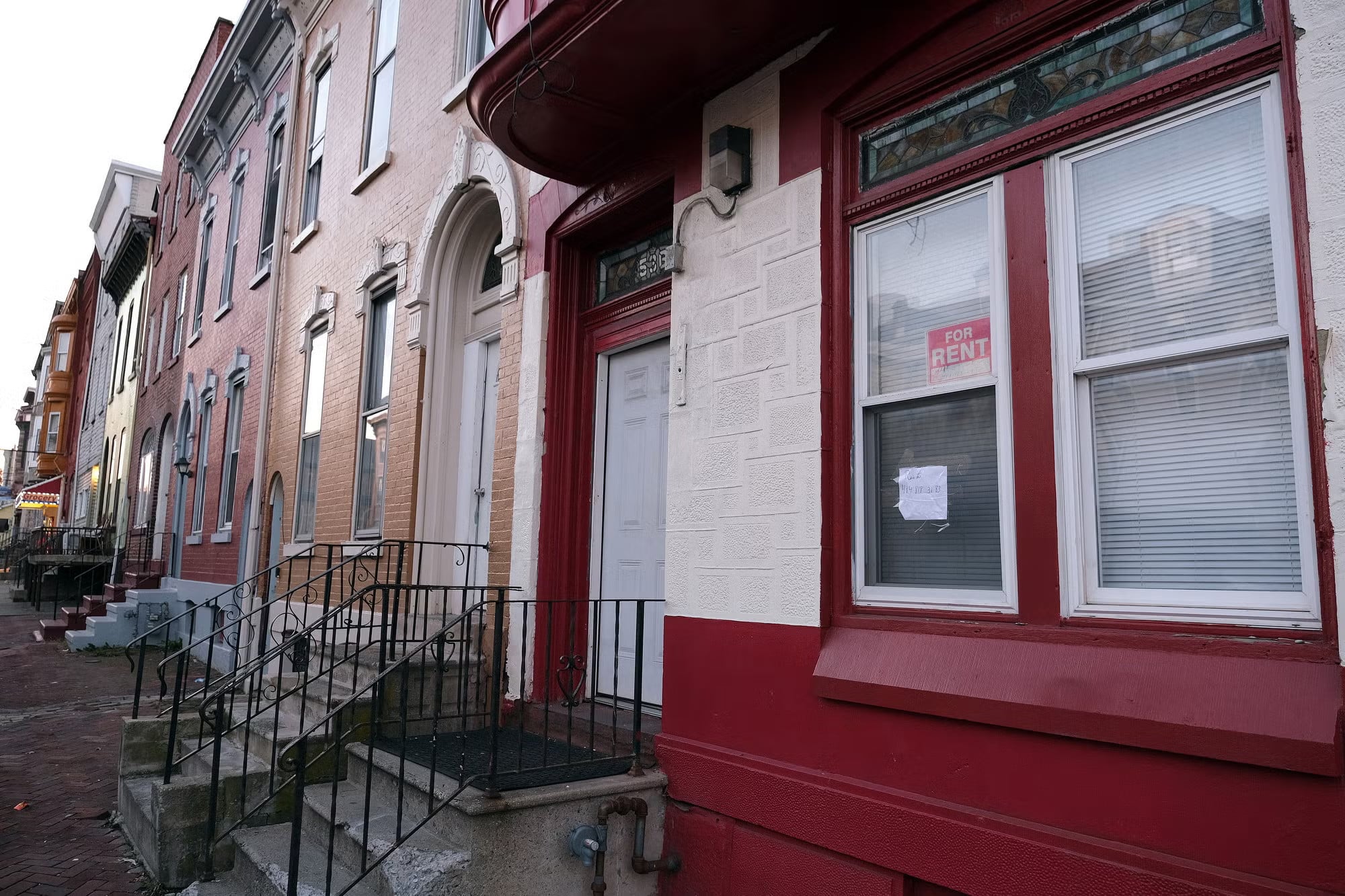
Pennsylvania is taking a significant step toward addressing its ongoing housing challenges with a $35 million loan initiative aimed at expanding affordable rental housing. The program, spearheaded by the Pennsylvania Housing Finance Agency (PHFA), is designed to help developers and housing authorities build or preserve rental homes for residents at risk of homelessness or housing instability.
This initiative comes at a time when housing costs remain high in many parts of the state, making it increasingly difficult for low- and moderate-income households to find safe and stable housing.
How the Program Works
The new program offers 0% interest, deferred-payment loans, which are specifically targeted at projects that serve residents earning up to 80% of the area median income (AMI). The deferred-payment structure allows developers and housing authorities to focus on construction or renovation without the immediate burden of repayment, making it financially feasible to create or maintain affordable housing units.
Key aspects of the program include:
- Eligibility: Developers, non-profit housing authorities, and community development organizations.
- Focus: New construction or preservation of rental homes that provide housing to vulnerable populations.
- Income Target: Households earning up to 80% of AMI, including seniors, low-income families, and individuals at risk of homelessness.
- Loan Terms: 0% interest, deferred repayment until a future trigger, such as project stabilization or sale.
Per PHFA, the goal is not only to increase the number of affordable units statewide but also to ensure these homes remain financially sustainable for both residents and developers.
Why This Program Matters
Pennsylvania, like much of the nation, is facing tight rental markets, rising costs, and limited affordable housing stock. Many low-income households struggle to secure safe housing, while existing units are often insufficient, poorly maintained, or in danger of being lost to market-rate conversions.
By providing flexible, zero-interest loans, the state can:
- Increase affordable housing supply without waiting for private market solutions.
- Stabilize neighborhoods by maintaining and preserving existing rental homes.
- Support vulnerable residents, including those at risk of homelessness, seniors, and low-income families.
The program complements other state housing initiatives, such as PHFA’s ongoing investments through the Pennsylvania Housing Affordability and Rehabilitation Enhancement (PHARE) program, which funds affordable housing projects and rehabilitation efforts statewide.
Potential Community Impact
- Local Housing Markets:
This program is likely to boost housing availability in high-need areas, particularly in urban centers and communities experiencing high rental demand. Increasing the number of affordable units, it can also ease competition in tight rental markets. - Economic Benefits:
New construction and preservation projects generate construction jobs, professional services, and long-term property management employment. They also help maintain stable communities by preventing displacement and reducing reliance on emergency shelters. - Social Stability:
Access to affordable, stable housing is directly linked to better health outcomes, educational attainment, and workforce stability. By targeting residents at risk of homelessness, the program supports families in breaking cycles of housing insecurity.
Challenges and Considerations
While promising, the program also faces potential hurdles:
- Scale vs. Demand: With $35 million available, the program may cover only a fraction of the state’s housing needs. High-demand regions may still face shortages.
- Project Execution: Developers must ensure that projects meet affordability and quality standards while remaining financially viable, even with deferred loan repayments.
- Long-Term Sustainability: Preserving affordability over decades requires careful oversight, including rent restrictions, maintenance standards, and tenant protections.
This initiative reflects a broader push in Pennsylvania to address housing affordability through proactive, government-backed solutions. By combining financial incentives with regulatory support, the state aims to create durable, safe, and affordable rental housing options for its most vulnerable residents.
The $35 million loan program is expected to open applications throughout 2026, and stakeholders across housing, development, and social service sectors are watching closely to see how effectively it translates into new and preserved housing units on the ground.