


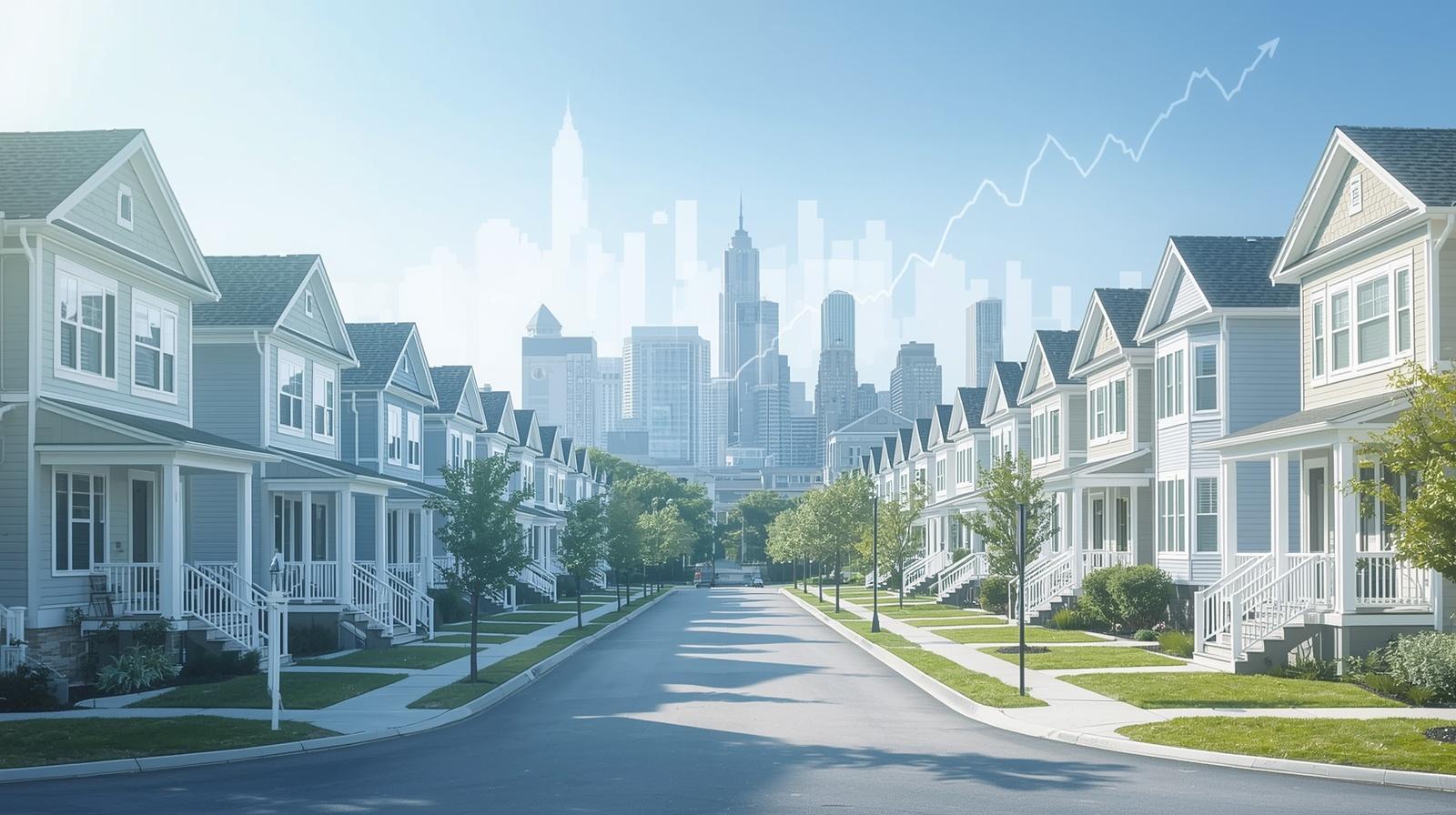
As the 2026 spring housing season begins to take shape, one trend continues to define the market across Pennsylvania and the broader Northeast: inventory remains tight.
Despite signs of stabilization in other parts of the country, the Northeast — including Pennsylvania — is still one of the most supply-constrained housing regions in the U.S., keeping pressure on home prices, competition, and overall affordability. For real estate professionals, this ongoing imbalance is shaping everything from pricing strategies to buyer behavior.
A Region Still Defined by Limited Supply
Even as some U.S. markets begin to rebalance, the Northeast continues to face persistent inventory challenges.
Recent housing data shows that the region remains highly competitive, with limited housing supply making it difficult for buyers to find options while helping sustain home values for sellers.
What’s particularly notable is that demand is not just local anymore. A growing share of buyers in Northeast markets is coming from outside the region, increasing competition even further.
At the same time, home prices in nearby Northeast states like New Jersey and Connecticut continue to rise year-over-year — even as other parts of the country experience cooling trends.
All of this reinforces a key reality: supply constraints in the Northeast are structural, not temporary.
Philadelphia: A Microcosm of the Problem
Within Pennsylvania, Philadelphia provides a clear example of how these supply constraints are playing out on the ground.
One of the more telling indicators is the rise of HOA-linked properties. As of March 2026, about 29% of homes listed in Philadelphia include HOA fees, a number that has steadily increased over time.
These fees are not insignificant. The median monthly HOA cost is now around $215, adding a recurring expense that buyers must factor into affordability calculations.
This trend reflects a broader shift in housing development patterns. As land becomes more limited and urban density increases, developers are building more:
- Condominiums
- Townhomes
- Planned communities
These types of properties often rely on homeowner's associations to manage shared infrastructure and amenities, which naturally leads to higher HOA prevalence.
Affordability Pressures Are Compounding
The rise in HOA fees is just one piece of a larger affordability puzzle.
In a market where inventory is already tight, additional costs — even relatively moderate ones — can make a meaningful difference for buyers. A $200+ monthly HOA fee can add thousands of dollars per year to the cost of ownership, which can:
- Reduce purchasing power
- Limit buyer eligibility
- Push some buyers toward lower price points or different markets
At the same time, the lack of available homes means buyers often have fewer alternatives, forcing them to weigh these additional costs more carefully rather than simply avoiding them.
Why Supply Remains So Tight
Several long-term factors continue to limit housing supply across Pennsylvania and the Northeast:
- Homeowners Are Staying Put Longer
Many homeowners locked in low mortgage rates in previous years and are reluctant to sell, which reduces resale inventory. - Aging Housing Stock
Pennsylvania has one of the oldest housing inventories in the country, and not all properties are move-in ready or aligned with current buyer preferences. - Development Constraints
Zoning limitations, land availability, and construction costs continue to slow new housing production in many areas. - Strong, Consistent Demand
Even as affordability becomes more challenging, demand remains steady — especially in job centers and desirable suburban areas.
What This Means for Real Estate Professionals
For agents, brokers, and investors, the current environment requires a more strategic approach.
In supply-constrained markets like Philadelphia:
- Pricing accuracy matters more than ever — overpricing can still stall a listing despite limited inventory
- Speed and preparation are critical for buyers, who need to act quickly when quality listings hit the market
- Understanding the total cost of ownership (including HOA fees) is essential when advising clients
For investors, the continued supply shortage may support long-term property values, but rising costs and tighter margins require careful underwriting.
A Market That’s Stabilizing — But Still Tight
While there are signs that the broader U.S. housing market is moving toward balance in 2026, the Northeast — and Pennsylvania specifically — is not there yet.
Inventory may be improving slightly in some areas, but not enough to significantly shift the supply-demand equation. As a result:
- Prices remain relatively stable or rising
- Competition persists in desirable neighborhoods
- Affordability challenges continue to shape buyer behavior