Pittsburgh is entering late 2025 with a noticeable shift in its housing market. While the city has long been known for its affordability, the numbers coming in this fall suggest a deeper shift in how buyers and sellers are behaving. Nearly 48% of all active listings in the metro saw price reductions as of the week ending November 7 — a clear sign that sellers are adjusting to a market that’s no longer as tight as it was over the last few years.
What’s interesting is that these price cuts aren’t happening because demand has collapsed. Instead, it’s the result of a unique combination of inventory growth, aging housing stock, and broader economic dynamics that shape the region.
Inventory Is Up — And Sellers Are Adjusting
Per sources, active inventory in Pittsburgh has climbed to roughly 4,568 homes. For a metro that’s used to low supply and fast-moving listings, that’s a meaningful jump. More homes on the market naturally create more buyer options — and that’s where the price cuts come in.
With nearly half of listed properties reducing their asking price, sellers appear to be recalibrating after months (or years) of pricing with confidence. The median list price, now around $249,000, reflects a market that’s cooling from its peaks but still stable.
Even with the added inventory, the market isn’t tipping into full buyer territory. The metro is sitting at about a 2.3-month supply, which leans toward sellers but with a noticeable increase in breathing room for buyers. And homes are still selling at a steady pace: the median days on market is about 56 days, which is faster than the national average.
Why the Price Cuts Are Happening
The price reductions aren’t just about inventory — they’re tied to the types of homes hitting the market and the broader makeup of Pittsburgh’s real estate landscape.
1. A Large Stock of Older Homes
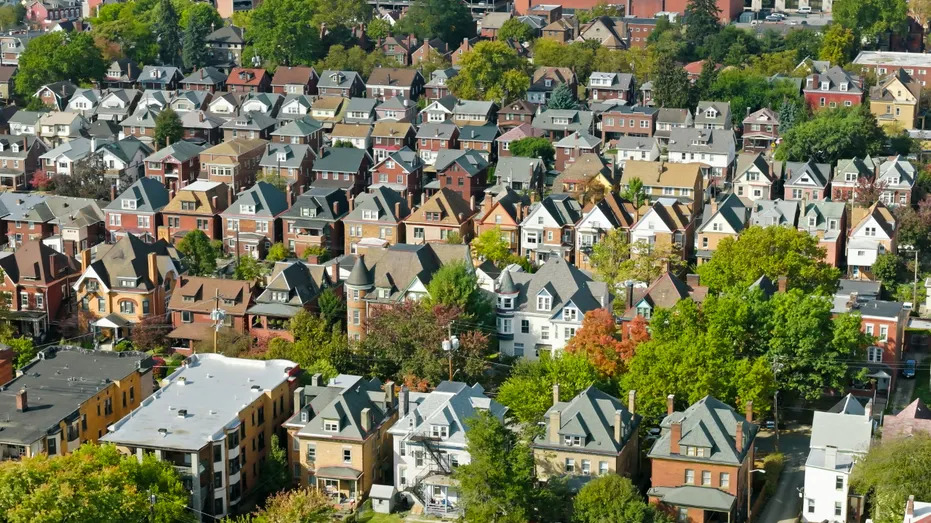
Per The Washington Post, Pittsburgh’s housing stock is significantly older than most major U.S. metros. Many homes need updates or full-scale renovation, which leads to naturally lower list prices and encourages sellers to adjust pricing when buyers hesitate. Buyers today are cautious about taking on large renovation projects — especially with higher borrowing costs for repairs and upgrades.
2. Vacant and Abandoned Properties Add Pressure
Another factor shaping pricing: the region has tens of thousands of vacant or abandoned properties. These properties weigh down overall values in certain neighborhoods, creating downward pressure on pricing even among homes in good condition.
3. Economic Diversity Is Supporting the Market
Despite pricing pressure, demand is stable thanks to Pittsburgh’s evolving economy. Growth in tech, education, healthcare, and manufacturing — including expansions from companies like Mitsubishi and Hitachi — is keeping the buyer pool active. These sectors continue to draw both local and relocating buyers, even as the city faces affordability challenges in some neighborhoods.
4. State and Local Initiatives Are Influencing Affordability
State and local governments have been active in boosting affordability through redevelopment incentives, subsidies, and tax programs. These initiatives help stabilize prices and encourage revitalization in areas with aging or underused housing stock. Combined with market conditions, they create an environment where prices remain reasonable but not stagnant.
What This Means for the Market Right Now
Overall, Pittsburgh is a city where the market is cooling — but not weakening. Price cuts signal recalibration, not collapse. Buyers now have more options, and sellers are competing in ways they haven’t in years. For realtors, this phase calls for a strong pricing strategy, accurate comps, and honest talks with sellers about what today’s buyers want. Investors might find opportunities in older fixer-uppers, while first-time buyers could benefit from more inventory and motivated sellers. Pittsburgh remains one of the more balanced large metros heading into winter — and possibly one of the most opportunity-rich.
Check out this article next