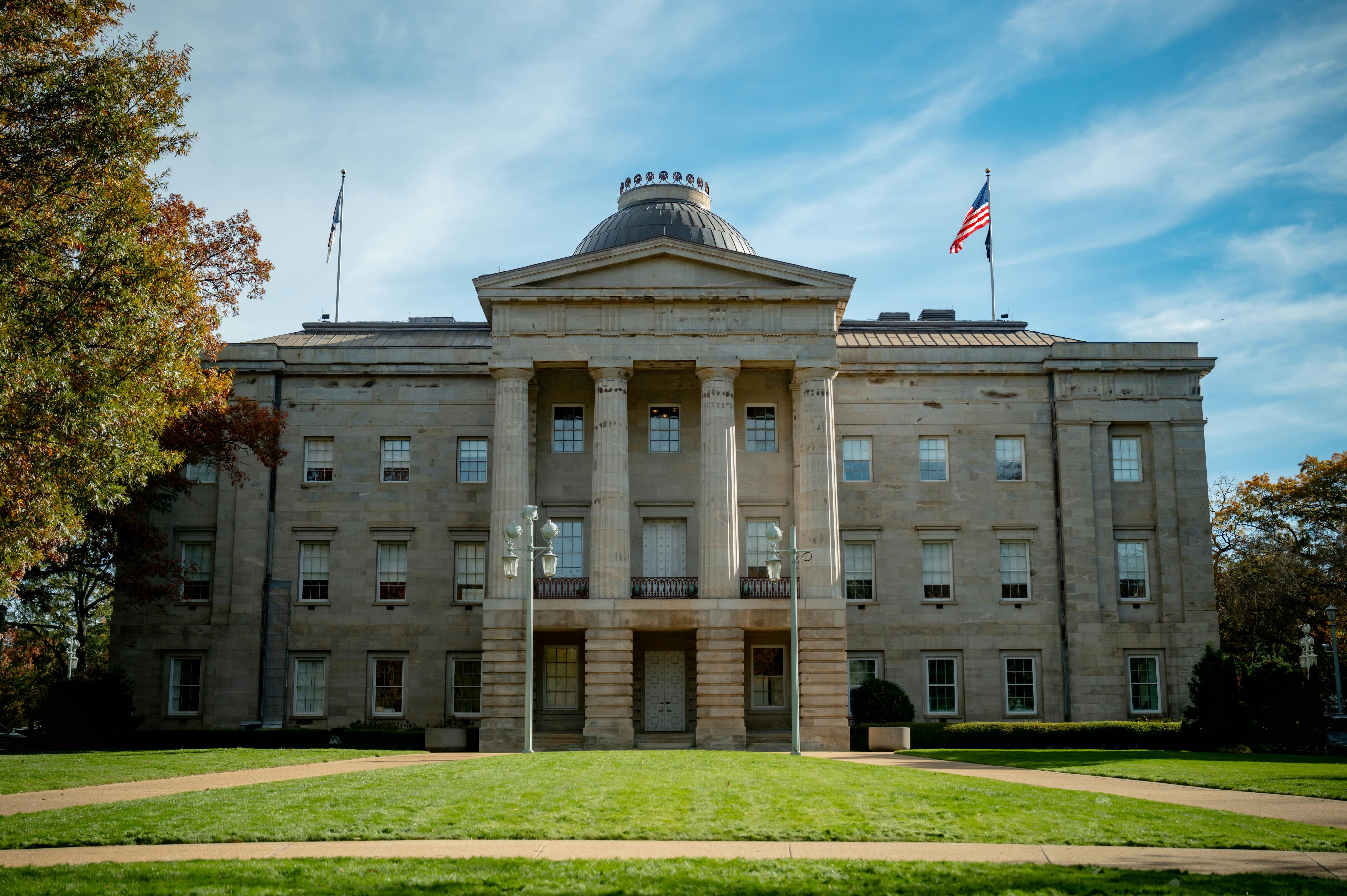
North Carolina lawmakers are returning to Raleigh for a critical legislative session, and one issue is quickly rising to the top of the agenda: property tax reform.
As the General Assembly begins its 2026 short session, discussions around limiting how much local governments can raise property taxes are taking center stage alongside major priorities like the state budget and Medicaid funding.
What might sound like a technical policy debate is shaping up to be one of the most consequential issues for homeowners, local governments, and the real estate market across the state.
A Push to Rein In Rising Tax Bills
The renewed focus on property taxes comes after several years of rapidly rising home values across North Carolina. In many areas, especially fast-growing counties, homeowners have seen their property tax bills climb alongside those valuations.
Lawmakers backing reform argue that the system needs new guardrails. One of the leading proposals would create a constitutional amendment requiring limits on how much cities and counties can increase property tax revenue each year.
The idea is modeled on “levy limits” used in other states, where local governments are restricted in how quickly they can grow tax collections. Supporters say this would provide predictability for homeowners and prevent sudden spikes in tax bills, particularly for long-time residents and those on fixed incomes.
The proposal is still evolving, but lawmakers are moving quickly to advance it, with the possibility that voters could ultimately decide the issue in a future ballot measure.
A Shift in State vs. Local Control
At its core, the debate is not just about taxes — it’s about control.
Currently, property taxes in North Carolina are set at the local level, with cities and counties determining their own rates based on budget needs. The proposed changes would introduce more state-level oversight and constraints on local decision-making.
That shift is raising concerns among local officials, who rely heavily on property tax revenue to fund essential services. Schools, emergency services, infrastructure, and parks are all largely supported through local tax collections.
Leaders in places like Wake County have already voiced strong opposition, warning that limiting their authority could force difficult trade-offs. Some say it could lead to reduced services, delayed infrastructure projects, or increased reliance on fees and alternative revenue sources.
Balancing Affordability and Public Services
The tension between affordability and funding is at the heart of the debate.
On one side, lawmakers pushing reform argue that rising tax bills are becoming a burden for homeowners, particularly in areas where property values have surged. They see limits as a way to stabilize costs and improve long-term affordability.
On the other side, local governments and some policy experts warn that restricting tax growth could create budget shortfalls. Because property taxes are one of the most reliable funding sources for local services, any cap on revenue growth could have ripple effects across communities.
Even the details of how such a system would work remain unclear. If a cap is implemented, lawmakers would still need to determine how strict the limits are, what exceptions might apply, and how local governments would adjust during periods of rapid growth or economic change.
Why This Matters for Real Estate
For the housing market, the stakes are significant.
Property taxes are a direct component of homeownership costs. Changes to how those taxes are calculated or limited can influence affordability, buyer demand, and long-term investment decisions.
If tax increases are capped, homeowners may benefit from more predictable costs, which could support demand and help stabilize ownership over time. At the same time, reduced local revenue could slow infrastructure development or public investment, which also plays a key role in supporting property values.
In fast-growing regions, where new schools, roads, and utilities are needed to accommodate population growth, funding constraints could become a particularly important factor.
A Broader Legislative Context
The property tax debate is unfolding within a larger and more complex legislative session.
Lawmakers are also working to finalize a long-delayed state budget and address funding gaps in major programs like Medicaid. These competing priorities add another layer of complexity, as tax policy decisions are closely tied to overall state and local finances.
At the same time, political dynamics — including leadership changes and ongoing policy disagreements — could influence how quickly or aggressively reforms move forward.