



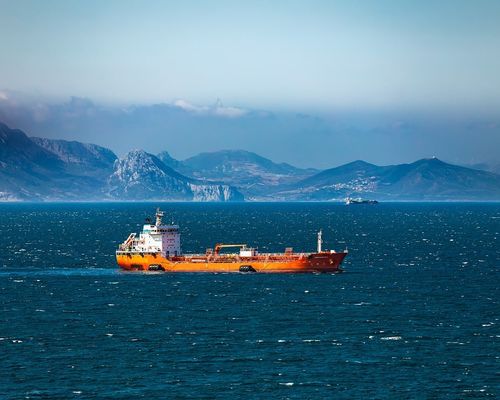
Global attention is once again focused on the Strait of Hormuz, one of the world's most strategically important shipping lanes, as negotiators work toward a proposed agreement that could reshape how commercial vessels move through the narrow waterway.
According to officials and sources familiar with the negotiations, Iran and Oman are discussing a framework that would give Iran a greater role in managing inbound commercial shipping entering the Persian Gulf, while Oman would oversee outbound traffic. The proposal is part of broader diplomatic efforts aimed at reducing tensions following months of conflict that disrupted global energy markets and maritime trade.
The Strait of Hormuz serves as the primary transit route for roughly 20% of the world's seaborne oil exports, making it one of the most closely watched maritime chokepoints in the global economy. Any changes to how vessels navigate the strait have the potential to influence oil prices, shipping costs, insurance premiums, and supply chains around the world.
While discussions have shown signs of progress, several key issues remain unresolved. One of the largest sticking points involves Iran's proposal to collect shipping fees ranging from 5% to 7% of cargo value, a condition that has reportedly been opposed by both the United States and Oman. Negotiators are also continuing discussions over the extent of Iran's authority to inspect or regulate vessels entering the Gulf.
President Donald Trump has expressed optimism about ongoing discussions with Iran, saying the two sides are having "very good discussions" while emphasizing his preference for reaching a diplomatic solution. However, U.S. officials have also indicated that Washington does not support any arrangement that would grant Iran broad control over international commercial shipping or impose significant transit fees on global trade.
Financial markets are closely monitoring every development. Although oil prices have fluctuated throughout the negotiations, analysts say investors are attempting to balance optimism over a possible diplomatic breakthrough with uncertainty surrounding the final terms of any agreement. Gold prices have also risen as some investors continue seeking traditional safe-haven assets while negotiations remain unresolved.
Beyond energy markets, the outcome could have broader economic implications. A lasting agreement that restores predictable shipping through the Strait of Hormuz could help stabilize global supply chains, reduce transportation costs, and ease inflationary pressures that have affected businesses and consumers throughout much of 2026. Conversely, any breakdown in negotiations could renew concerns about disruptions to one of the world's busiest energy corridors.
Regional governments are also watching the talks closely. Gulf nations rely heavily on the uninterrupted flow of commercial shipping through the strait, while major energy importers across Asia and Europe are monitoring developments that could influence fuel supplies and economic growth. Any long-term agreement would represent one of the most significant changes to Gulf maritime operations in years.
For now, negotiations remain ongoing, and officials caution that no final agreement has been reached. While diplomats continue working to resolve outstanding differences, businesses, investors, and governments around the world will be watching closely, recognizing that the future of the Strait of Hormuz remains closely tied to global energy security, international trade, and economic stability.
Discussion
Thoughts from readers and local market watchers.