

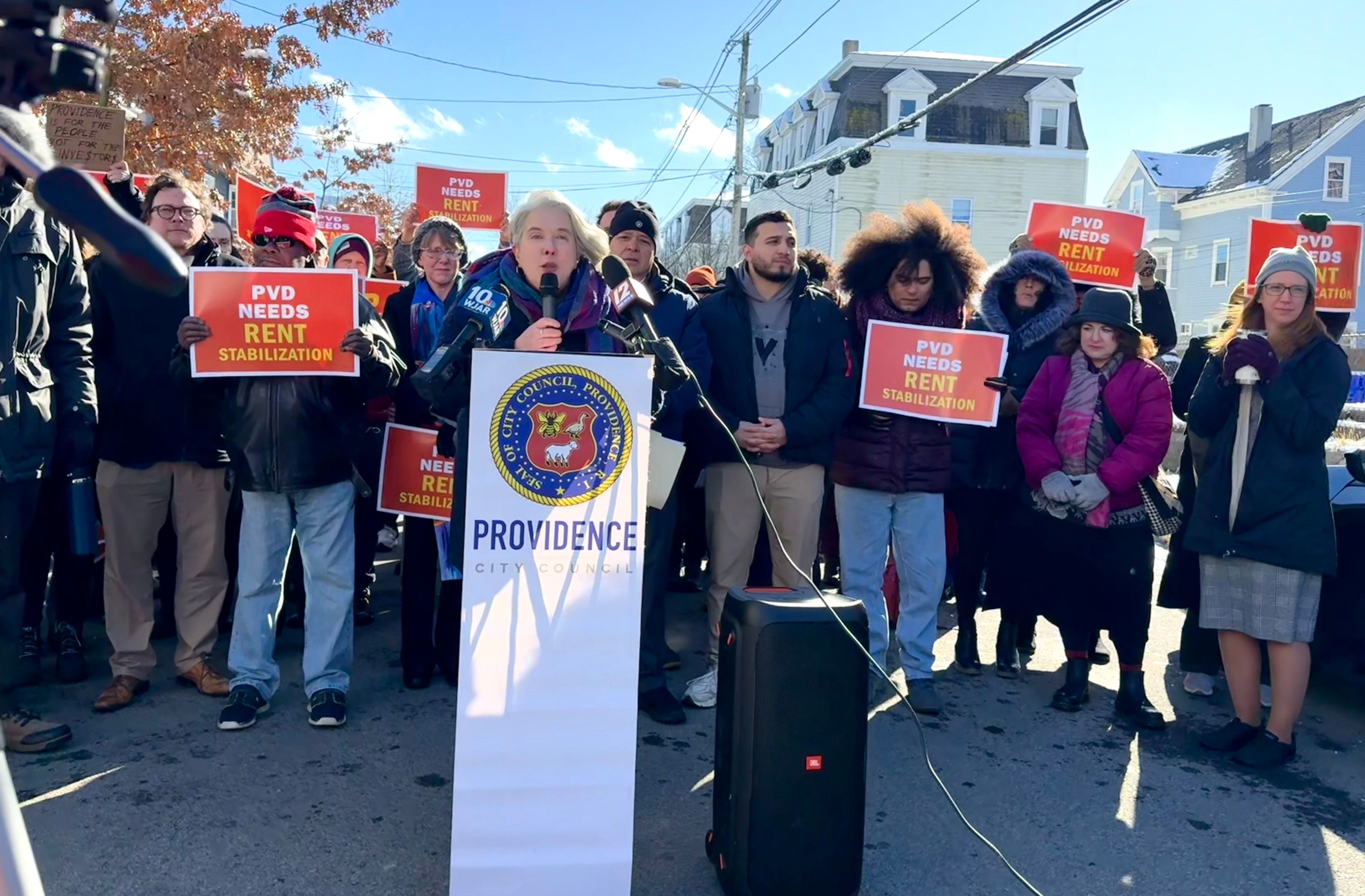
Providence is once again at the center of a housing policy debate as discussions around rent-control legislation gain momentum. The Providence Foundation — a coalition made up of developers, landlords, colleges, and architects — recently published a study opposing the proposed rent-control measures, arguing that such policies could reshape the city’s rental market in significant ways. (per GoLocalProv)
For real estate professionals, property investors, and landlords, these developments are more than just political theater. Any new rent-control legislation could directly influence rental pricing, long-term housing availability, and investor strategies in Providence, making it a critical topic for anyone involved in the city’s housing market.
What Rent Control Means in Practice
Rent control generally places caps on how much landlords can increase rent on residential units annually. Advocates argue that it protects tenants from sharp rent hikes and ensures housing remains affordable for long-term residents. Critics, however, warn that it can discourage new construction, reduce maintenance incentives, and distort market dynamics, particularly in urban areas with high demand like Providence.
The Providence Foundation’s recent study highlights these concerns, emphasizing that strict rent control could inadvertently lead to slower housing investment, fewer units being built, and increased pressure on existing rental stock. For landlords, this could mean lower returns and tighter margins on properties that were previously considered profitable.
Implications for Realtors and Investors
If rent control moves forward, there could be wide-ranging effects on the Providence real estate market:
- Rental Pricing: Annual rent increases would be capped, potentially limiting the growth of income from investment properties.
- Investor Strategy: Developers and investors might prioritize other cities or towns where market rules are more favorable.
- Housing Availability: Some units could be converted to condos or sold off to avoid regulated rent, affecting the overall rental supply.
- Property Values: Properties in areas subject to rent control may appreciate more slowly, influencing market comps and appraisal trends.
Realtors should monitor how the debate evolves, as any changes could influence buyer demand, pricing strategies, and marketing narratives for investment properties in the city.
Balancing Tenant Protection and Market Health
While protecting tenants from rapid rent increases is a legitimate concern, the challenge lies in balancing tenant protections with market sustainability. Well-designed policies can help maintain affordability without discouraging investment, while poorly structured rent controls can exacerbate housing shortages.
For instance, cities in other states that implemented rent control without accompanying incentives for new development often saw a decline in available rental units and a slowdown in property maintenance. Providence may need to consider a balanced approach that includes both tenant protections and developer incentives to keep housing supply healthy.
As the debate unfolds, real estate professionals in Providence should:
- Stay informed on legislative developments and city council proposals.
- Analyze local rental trends to anticipate potential market shifts.
- Consider long-term investment strategies that account for possible regulatory changes.
For landlords and property managers, proactive communication with tenants and careful financial planning will be essential to navigate the potential impacts of rent-control legislation. Realtors and brokers, meanwhile, should be prepared to advise clients on both risks and opportunities in a changing regulatory environment.