


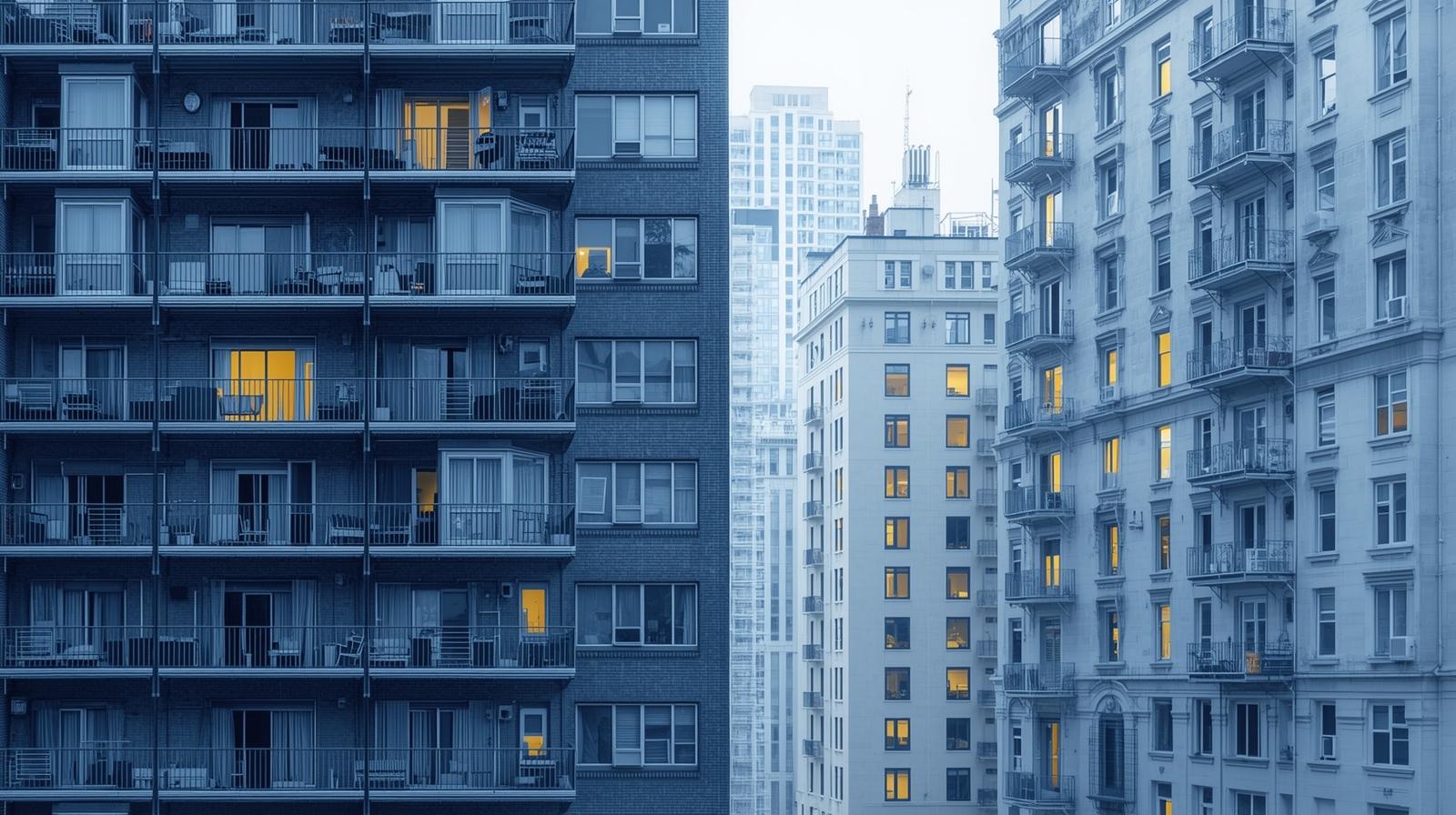
A growing number of vacant rent-stabilized apartments—often referred to as “zombie units”—is quickly becoming one of the most important and controversial issues in New York City real estate.
As of mid-March 2026, landlords, policymakers, and housing advocates are locked in an intensifying debate over why thousands of regulated apartments are sitting empty—and what should be done about it.
The Core Issue: Thousands of Units Sitting Vacant
At the center of the debate is a striking contradiction in New York’s housing market:
- The city is facing a severe housing shortage and affordability crisis
- Yet tens of thousands of rent-stabilized apartments remain vacant and unavailable
Recent data cited by property owners shows that over 26,000 rent-stabilized units were sitting empty and off the market, even as demand for affordable housing continues to surge.
In industry circles, these units are often called “zombie apartments” because they exist physically—but are effectively removed from the usable housing supply.
Why Landlords Say Units Are Being “Warehoused”
Landlords and small property owners argue that the problem stems largely from the Housing Stability and Tenant Protection Act of 2019, a landmark law that significantly tightened rent regulations.
Under the current rules:
- Rent increases on stabilized units are tightly capped
- Owners can no longer significantly raise rents between tenants
- The amount of renovation costs that can be passed on to tenants is limited
According to landlord groups, these restrictions have created a financial dilemma.
When a long-term tenant vacates a unit, the apartment often requires major repairs or upgrades—sometimes costing tens of thousands of dollars or more. However, with rent increases capped, owners say they cannot recover those renovation costs through future rent.
As a result, many landlords claim it is financially unfeasible to bring these units back to market.
One industry representative summarized the issue bluntly, saying the law has “stripped owners of any financial ability to renovate” vacant units and return them to rentable condition.
A Push to Change the Law
In response, landlord groups are now urging city leadership—particularly Mayor Zohran Mamdani—to advocate for changes at the state level.
Their proposal is relatively straightforward:
Loosen certain rent restrictions to allow owners to recoup renovation and operating costs.
They argue that doing so could:
- Bring thousands of currently vacant units back online
- Increase overall housing supply
- Provide a faster and cheaper solution than building new housing
Some landlords have even suggested that unlocking these units could help address broader issues like homelessness more efficiently than large public spending programs.
Political Reality: A Difficult Path Forward
Despite the push from property owners, any changes to rent laws face significant political resistance.
New York’s state legislature is strongly pro-tenant, and rent stabilization remains a cornerstone of housing policy. At the same time, Mayor Mamdani has publicly supported rent freezes and stronger tenant protections, making regulatory rollbacks unlikely in the near term.
With elections approaching and housing affordability a central political issue, policymakers are under pressure to balance:
- Tenant protections
- Landlord financial viability
- Overall housing supply
This makes reform particularly challenging.
The Other Side: Tenant Advocates Push Back
Tenant groups and housing advocates strongly dispute the landlord narrative.
They argue that:
- Many rent-stabilized units are intentionally held vacant as a long-term strategy
- Landlords still have ways to operate profitably within the current system
- Loosening regulations could lead to rent increases and displacement
Some advocates have called for stricter enforcement measures, including penalties for leaving apartments vacant, rather than easing rent laws.
This divide has turned “zombie units” into a highly politicized issue, with both sides offering very different solutions.
A Structural Problem in NYC Housing
Beyond the political debate, the rise of vacant stabilized units highlights a deeper structural issue in New York real estate.
Rent regulation, by design, aims to keep housing affordable. But it also creates constraints on pricing and revenue that can affect how properties are managed.
In some cases, those constraints can lead to unintended consequences—like units being removed from the market entirely when operating costs exceed potential income.
This phenomenon, often referred to as “warehousing,” has been observed in regulated housing systems before, particularly when strict rent controls limit financial flexibility.
Why This Matters for Real Estate Professionals
For brokers, investors, and landlords, this issue is more than just policy—it directly impacts the market.
If even a portion of these vacant units were returned to the market, it could:
- Increase rental inventory
- Ease pressure on rents upward
- Shift leasing dynamics across multiple boroughs
On the other hand, if regulations remain unchanged, the number of inactive units could continue to grow, further tightening supply.
For investors, the situation also raises key questions about:
- The long-term viability of rent-stabilized assets
- Renovation economics
- Regulatory risk in New York real estate