

Even as Connecticut pushes aggressively to expand housing supply, a recent decision in Stonington shows that local concerns and environmental factors continue to play a decisive role in what ultimately gets built.
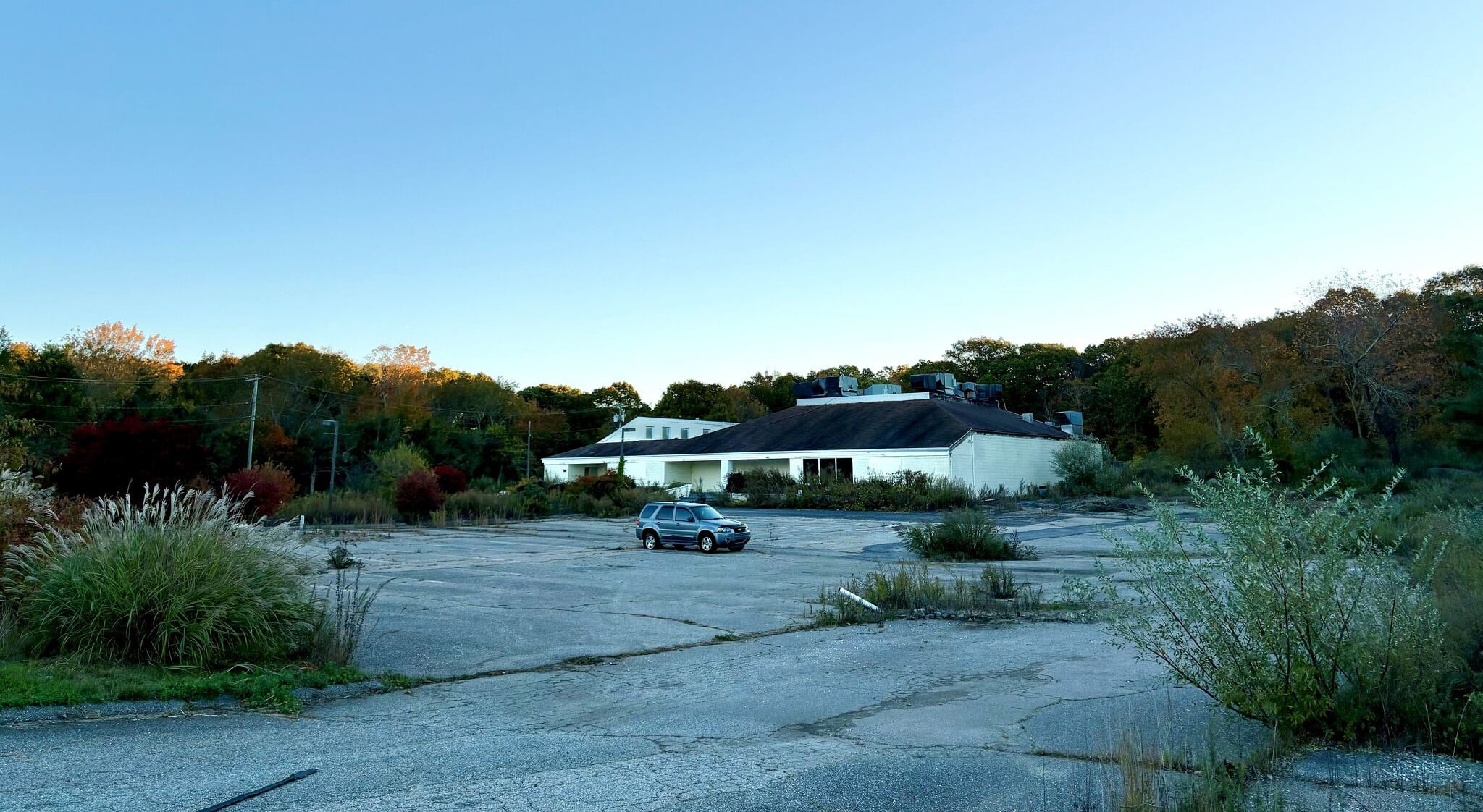
A proposed development known as “Beachway”, which would have added 83 townhouses on the former Liberty Street nightclub site in the Pawcatuck section of Stonington, was recently rejected by the town’s Planning & Zoning Commission. Importantly, the rejection was issued without prejudice, meaning the developer can revise the plan and return with a new proposal, per CT Insider.
While the decision does not permanently halt development at the site, it highlights the ongoing tension between state-level housing mandates and local land-use priorities—a dynamic that real estate professionals should continue to watch closely heading into 2026.
What Was Proposed at the Liberty Street Site
Per CT Insider, the Beachway proposal called for:
- 83 townhouse units
- Development on the site of a former nightclub
- A project that invoked Connecticut’s 8-30g affordable housing statute, which allows developers to override certain local zoning restrictions if affordability thresholds are met
Supporters of the proposal argued that the development could help address housing shortages for local workers, particularly in southeastern Connecticut, where affordability has become an increasing challenge.
Why the Town Said No — For Now
Despite the state’s strong push for new housing, Stonington’s Planning & Zoning Commission raised several concerns, according to CT Insider:
Environmental Risks
One of the most significant issues involved potential impacts to a protected aquifer near the site. Water quality and environmental preservation remain high priorities for coastal and semi-rural communities like Stonington.
Lack of Open Space
Commission members expressed concern that the proposal did not provide sufficient open or green space relative to the project’s size and density.
Parking and Infrastructure
Parking availability and traffic flow were also flagged as unresolved issues, particularly given the scale of the development.
These factors ultimately outweighed the project’s alignment with broader housing goals—at least in its initial form.
The Role of 8-30g — And Its Limits
Connecticut’s 8-30g statute is designed to encourage affordable housing by limiting a municipality’s ability to deny qualifying projects. However, this case illustrates a critical nuance:
Even under 8-30g, projects are not automatically approved.
Municipalities can still reject proposals if they demonstrate legitimate concerns related to health, safety, or environmental protection—standards that Stonington officials appear to be relying on in this case, per the source.
Why This Matters for Realtors and Developers
1. Local Resistance Still Shapes Outcomes
Even as the state pushes for more housing, local planning commissions retain real influence, especially when environmental or infrastructure issues are involved.
For real estate professionals, this reinforces the importance of understanding local sentiment, not just state policy.
2. “Without Prejudice” Means Opportunity
Because the proposal was rejected without prejudice, the door remains open.
Revised plans could:
Reduce unit count
Add open space
Address aquifer and environmental safeguards
For investors and agents, this creates a potential early-stage opportunity if a revised proposal gains traction.
3. Coastal and Small-Town Markets Are Especially Sensitive
Developments in coastal or environmentally sensitive towns often face a higher bar for approval. Realtors working in these areas should expect:
Longer timelines
More revisions
Stronger community input
What to Watch Next
- Whether the developer submits a revised Beachway proposal
- Potential reductions in density or design changes
- How Stonington balances housing demand with environmental protections
- Whether similar projects in nearby towns face comparable resistance
Bottom Line
Per CT Insider, the rejection of the Beachway townhouse proposal doesn’t mark the end of development at the Liberty Street site—but it does serve as a reminder that Connecticut’s housing push is not one-size-fits-all.
For real estate professionals, this case underscores a key takeaway heading into 2026:
State policy may set the direction, but local realities still determine what gets built.
Monitoring revisions, understanding community concerns, and staying ahead of early planning decisions will remain essential for agents, developers, and investors navigating Connecticut’s evolving housing landscape.
Check out this article next