



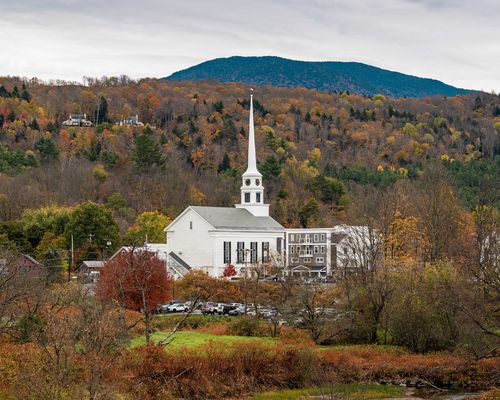
One of Vermont's most closely watched housing debates continues to unfold in Stowe, where town officials are moving forward with a proposed ordinance that would place new limits on short-term rentals in an effort to preserve housing for year-round residents.
Under the proposal, the town would cap the total number of short-term rental licenses at 850 beginning Aug. 6, 2026. Existing license holders would generally be allowed to renew their registrations each year, but licenses would not transfer automatically when a property is sold, meaning new owners would need to apply for a license under the town's new system. If demand exceeds the number of available licenses, new permits would be awarded through an annual lottery.
The ordinance also creates separate provisions for homestead properties, allowing homeowners who use a property as their primary residence to obtain homestead short-term rental licenses under certain conditions. Town officials say the goal is to distinguish between owner-occupied properties that generate supplemental income and investment properties dedicated exclusively to vacation rentals.
The proposal follows months of discussion over the rapid growth of vacation rentals in Stowe, one of Vermont's most popular resort communities. Local officials have argued that an increasing number of homes being used as short-term rentals has reduced the supply of housing available for local workers and full-time residents, contributing to affordability challenges across the region.
At the same time, property owners, resort operators, and vacation rental advocates have raised concerns that stricter regulations could reduce tourism-related investment and affect property values. Some resort representatives have sought exemptions, arguing that resort condominiums were designed specifically for visitor accommodations rather than long-term residential housing.
The proposal reflects a broader trend taking shape across vacation destinations throughout New England, where municipalities are evaluating how to balance tourism with the need for additional workforce housing. As Vermont continues implementing statewide housing reforms intended to increase residential construction, local governments are also examining how existing housing stock is being used.
If adopted, Stowe's ordinance would represent one of the state's most comprehensive local approaches to regulating short-term rentals. The outcome could serve as a model for other Vermont communities facing similar housing pressures while attempting to maintain tourism as a key driver of their local economies.
Discussion
Thoughts from readers and local market watchers.