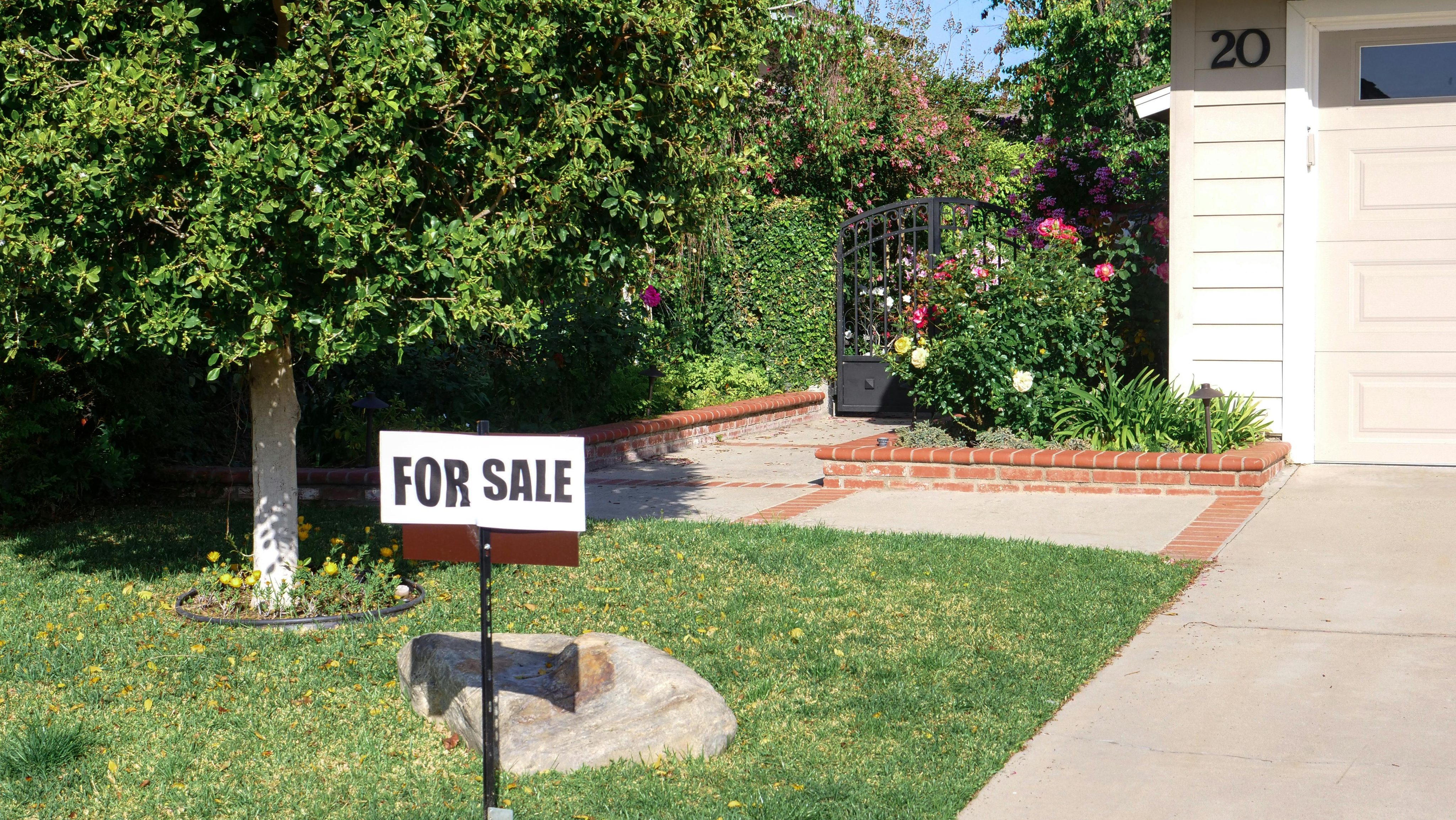
In today’s market, getting the listing is often harder than selling the home.
Inventory is still limited, and when a homeowner decides to sell, they’re usually talking to more than one agent. That means every listing appointment matters—and small differences in approach can make a big impact.
The agents who consistently win listings aren’t just more experienced or better known. In most cases, they’re more prepared, more intentional, and better at communicating value.
Here’s what that looks like in practice.
Show Up With a Clear Plan—Not Just a Presentation
One of the biggest mistakes agents make is treating a listing appointment like a pitch instead of a strategy session.
Sellers don’t just want to hear why you’re a good agent. They want to understand how you’re going to get their home sold.
Strong agents walk in with a clear, tailored plan:
- How the home will be positioned in the market
- What pricing strategy makes sense based on current conditions
- How they’ll attract and convert buyers
When sellers can see the path forward, the decision becomes easier.
Price Strategy Matters More Than Ever
In a competitive market, pricing isn’t just about accuracy—it’s about strategy.
Overpricing a home, even slightly, can lead to reduced activity, longer days on market, and eventually price reductions that weaken the listing’s position.
Successful Realtors have honest conversations early. They’re explaining:
- What buyers are actually responding to right now
- How similar homes are performing
- What happens when a home sits too long
This isn’t about pushing for a lower price—it’s about aligning expectations with market reality.
And when sellers understand that, they’re more likely to trust your guidance.
Communicate Value Beyond Commission
When multiple agents are competing for the same listing, commission often becomes part of the conversation.
But the agents who win consistently don’t lead with price—they lead with value.
That value shows up in how clearly they explain:
- Their marketing approach
- Their communication style
- Their process from listing to closing
Sellers aren’t always looking for the cheapest option. They’re looking for the agent who gives them the most confidence.
Use Data, But Keep It Simple
Data is important—but too much of it can overwhelm sellers.
Top agents use data to support their recommendations, not replace them. They focus on what matters:
- Recent comparable sales
- Current competition
- Buyer activity trends
And they explain it in a way that’s easy to understand.
When sellers feel informed (not confused), they’re more likely to trust your strategy.
Be Clear About Communication
One of the biggest concerns sellers have—especially if they’ve sold before—is communication.
They want to know:
- How often will they hear from you
- What updates will they receive
- How quickly you respond
Agents who set clear expectations up front remove a major source of uncertainty.
Even something as simple as saying, “You’ll hear from me every week, even if there’s no major update,” can make a difference.
Demonstrate How You’ll Generate Demand
In a market with fewer listings, visibility matters more.
Sellers want to know their home won’t just sit—they want to know it will be seen.
This is where your marketing approach comes into play.
You don’t need to overcomplicate it. What matters is clarity:
- Where the home will be listed
- How it will be presented
- How you’ll attract attention early
Agents who can clearly explain how they generate demand stand out quickly.
Follow Up—Professionally and Consistently
Not every seller decides on the spot.
This is where follow-up becomes critical.
The agents who win more listings often aren’t the ones who had the best first meeting—they’re the ones who stayed in touch afterward.
A thoughtful follow-up message, a quick market update, or a simple check-in can keep you top of mind while the seller is deciding.
And in many cases, that’s what ultimately makes the difference.