


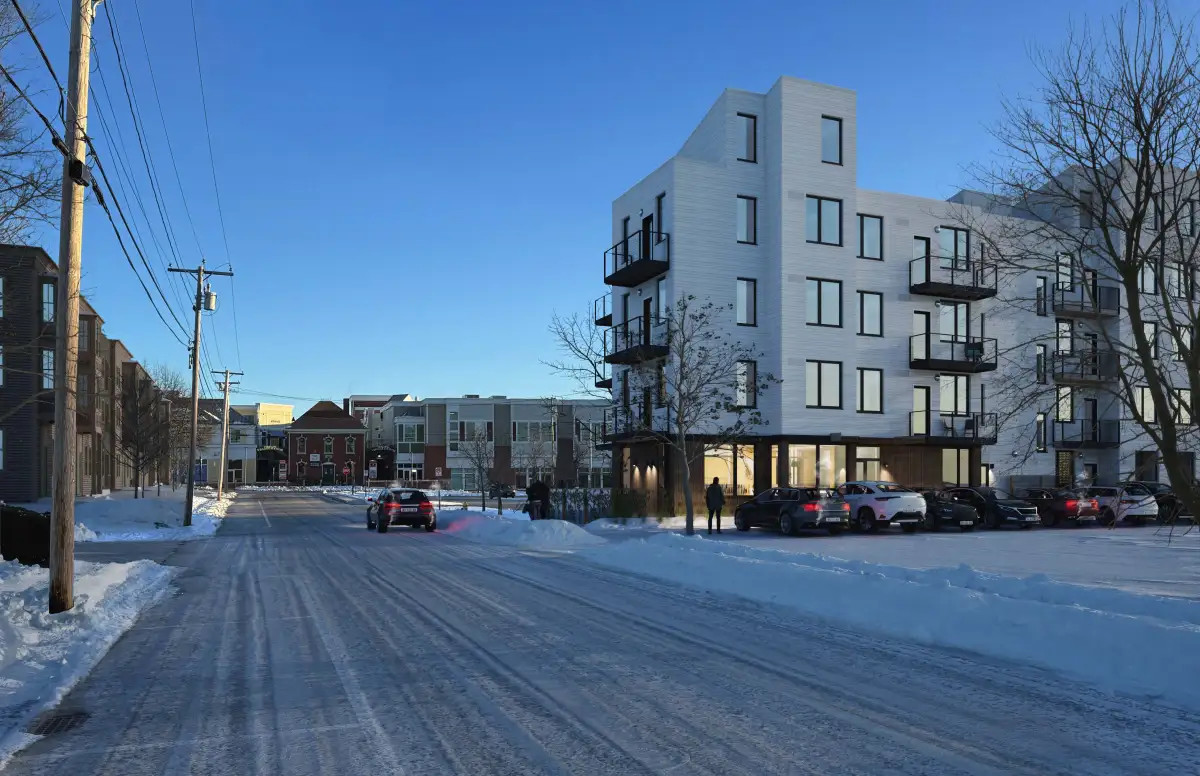
A new development in Freeport is highlighting an issue that’s quickly becoming more visible across Maine’s housing market: federal tariffs are now directly increasing the cost of building homes.
According to recent reporting, a 45-unit housing project in Freeport is projected to cost significantly more than a nearly identical development built nearby just a short time ago. The reason isn’t land, labor, or design — it’s the rising cost of materials, much of it tied to tariffs on imported goods.
Construction costs for the project have climbed from about $312 per square foot to roughly $330 per square foot, a noticeable jump in a market where margins are already tight. That increase translates to around $9,000 more per unit, adding hundreds of thousands of dollars to the total project cost.
Where the Costs Are Coming From
Developers point to a range of building materials that have been affected, including drywall, electrical components, and cabinetry. These are not specialty items — they are standard inputs in nearly every residential project.
The challenge is that many of these materials have long relied on international supply chains. With tariffs now increasing the cost of imports, developers are left with limited options: pay more, delay projects, or attempt to source alternatives that may not be readily available or cost-effective.
In a market like Maine’s, where construction is already expensive due to geography, labor constraints, and logistics, even modest increases in material costs can have an outsized impact.
A Ripple Effect Across the Housing Market
The consequences go beyond a single project. Developers say these cost increases are creating a ripple effect that touches every stage of the housing pipeline.
Projects that once penciled out financially are now becoming more difficult to justify. Financing becomes harder to secure when costs rise unexpectedly, especially for workforce or affordable housing developments where budgets are tightly controlled. In some cases, developers may need to scale back plans, delay timelines, or reconsider whether to move forward at all.
Even when projects proceed, higher costs don’t simply disappear — they tend to be passed along. That can mean higher sale prices for new homes or increased rents for newly built units, adding more pressure to an already strained affordability landscape.
Why This Matters Right Now
Maine is already dealing with a housing shortage and a widening gap between home prices and local incomes. Policymakers, developers, and communities have spent the past few years trying to increase supply through zoning reform, incentives, and new construction.
But this latest development shows how external factors — especially federal policy — can complicate those efforts.
Tariffs were designed to support domestic manufacturing and reduce reliance on foreign goods. While that goal may have long-term benefits, the short-term impact on housing is becoming clearer. In the current environment, where domestic production hasn’t fully replaced imported materials, the result is higher costs for builders and, ultimately, for residents.
A Compounding Challenge for Affordable Housing
The impact is especially significant for affordable and workforce housing projects. These developments often rely on layered financing, tax credits, and strict cost controls. When material costs rise unexpectedly, there is little room to absorb the increase.
In some cases, that could mean fewer units being built or projects taking longer to reach completion. In others, it may require additional subsidies or public funding to bridge the gap.
For a state like Maine, which is actively trying to expand its housing stock, even small disruptions can slow overall progress.
Looking Ahead
The situation in Freeport is likely not an isolated case. As long as tariffs remain in place and supply chains continue to adjust, developers across Maine — and beyond — may face similar cost pressures.
For real estate professionals, this is an important shift to watch. Housing affordability is no longer being shaped solely by local supply and demand or interest rates. Increasingly, it is also being influenced by national policy decisions that affect the cost of building itself.
The takeaway is straightforward but significant: even as the market stabilizes, the cost to create new housing is rising, and that reality will continue to shape prices, development activity, and affordability across Maine in 2026.