


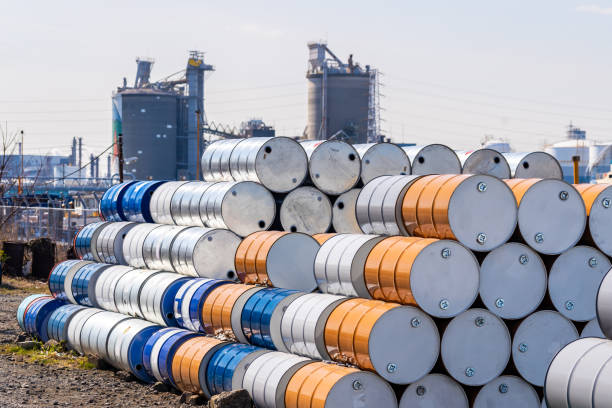
Geopolitical tension in the Strait of Hormuz has officially hit the American driveway. With Brent crude oil surging 10% to climb above the $82 mark, the conversation is shifting from foreign policy to the local housing market. While most people view oil prices through the lens of a gas station marquee, the reality is far more pervasive for anyone looking to buy, sell, or build a home.
This sudden spike functions as a "hidden tax" on the American consumer, one that the IRS doesn't collect but the economy certainly does. When energy costs leap, the ripple effect moves through the supply chain with clinical precision, eventually landing on the doorstep of the real estate industry. For those following our market update series, this development adds a new layer of complexity to an already tight market.
The "inflation tax" is essentially the erosion of purchasing power caused by rising energy costs. Unlike a traditional tax, there are no deductions or credits to soften the blow. It is a direct drain on the capital that would otherwise be used to fund down payments, cover monthly mortgages, or fuel new construction projects.
The Fed's Dilemma: Mortgage Rates and the CPI
The most immediate impact of $82+ oil is its effect on the Federal Reserve’s battle against inflation. The Consumer Price Index (CPI) is the primary yardstick the Fed uses to determine whether to hike, hold, or cut interest rates. Energy is a massive component of that index, and when oil prices jump 10%, the CPI inevitably follows suit.
When energy-driven inflation remains high, the Fed is forced to maintain a hawkish stance on interest rates. This means the "higher for longer" narrative isn't just a catchphrase; it becomes a mathematical necessity. For prospective homebuyers, this translates to mortgage rates that refuse to budge from their current elevations.
Mortgage lenders price their loans based on the yield of the 10-year Treasury note, which reacts violently to inflation expectations. If the market senses that oil-driven inflation will be "sticky," Treasury yields rise, and mortgage rates climb right along with them. This creates a ceiling on affordability that keeps many first-time buyers on the sidelines, searching through buyer resources for any sign of relief.

The Construction Crunch: Diesel and Delivery
The housing market isn't just about financing; it’s about physical materials. Every stick of lumber, every yard of concrete, and every sheet of drywall has to be transported via heavy-duty trucks that run on diesel. When Brent crude spikes, the cost of refined diesel follows, leading to the dreaded "fuel surcharge."
Builders across the country are currently seeing these surcharges eat into their margins or, more likely, being passed directly to the consumer. A 10% jump in oil prices doesn't just make the commute to the job site more expensive; it makes the entire house more expensive to assemble.
Consider the journey of a single pallet of roofing shingles. It travels from a manufacturing plant to a regional distributor, then to a local yard, and finally to the construction site. Each leg of that journey involves a diesel-chugging semi-truck. When fuel costs rise, the "delivered price" of materials climbs, often mid-project. This volatility makes it incredibly difficult for developers to provide fixed-price contracts, adding another layer of risk to investing in 2026.
The Erosion of Purchasing Power
Beyond the macroeconomics of interest rates and construction, there is the microeconomic reality of the American household budget. For the average family, a 10% spike in oil prices is an immediate drain on discretionary income. This isn't just about the $70 it takes to fill the SUV; it’s about the rising cost of home heating, cooling, and the price of groceries that were delivered by those same diesel trucks.
When a household is forced to spend an extra $200 to $400 a month on basic energy needs and inflated goods, that money is directly carved out of their "home savings" fund. Over the course of a year, that "inflation tax" can strip thousands of dollars away from a potential down payment.
For many, the dream of moving from a rental to a home ownership position is delayed as they prioritize keeping the lights on and the tank full. We often discuss this in our helpful guides, but the current geopolitical climate has made this struggle much more acute. The "Big Squeeze" is real, and it’s tightening around the wallets of the very people the housing market needs to remain liquid.

Practical Impact: How the Squeeze Hits You
The effects of $82+ oil are not distributed equally. Depending on your role in the real estate ecosystem, the "inflation tax" looks a little different.
For Buyers
The double whammy of high mortgage rates and reduced savings is your primary obstacle. Your "buying power" is shrinking from both ends. You are likely seeing your pre-approval amounts stagnate while your monthly cost of living climbs. Now is the time to look into creative financing options or adjust your expectations on home size and location.
For Sellers
Inventory remains your greatest leverage, but the pool of qualified buyers may shrink as the "inflation tax" takes hold. If buyers are feeling the squeeze, they become more sensitive to price. You might find that your home stays on the market a few days longer as buyers do the math on their new, higher monthly utility bills.
For Homeowners
Your home is an asset, but it’s also a liability when it comes to energy consumption. This oil spike is a loud reminder to invest in energy efficiency. Whether it's better insulation or upgraded windows, reducing your reliance on expensive heating oil or electricity (often generated by natural gas, which tracks with oil) is the only way to "tax-shield" your home from energy volatility.
For Investors
Yield compression is the name of the game. If you own multi-family properties where you cover the utilities, your bottom line is taking a direct hit. Even if tenants pay their own utilities, their ability to pay rent on time can be compromised by a sudden spike in their cost of living. Protecting your assets requires a closer look at asset protection and cash flow management.
For Realtors
Education is your best tool. Clients are seeing the headlines about Iran and the Strait of Hormuz and wondering what it means for their closing next month. Being able to explain the connection between global oil benchmarks and local mortgage rates positions you as an expert rather than just a salesperson.
Looking Forward: What to Watch
Predicting the path of oil is as difficult as predicting the path of a hurricane, but there are specific markers we should be watching over the coming months. The conflict involving Iran and the potential for prolonged disruption in the Strait of Hormuz is the primary driver of this current $82+ price point. If tensions de-escalate, we could see a rapid "relief rally" where prices drop as quickly as they rose.
However, the structural issues of energy-driven inflation remain. Watch the upcoming Fed meetings closely. If the Fed mentions "energy price volatility" as a reason to pause rate cuts, expect mortgage rates to stay elevated through the next quarter.
Additionally, keep an eye on the "Diesel Spread." If the gap between crude oil prices and diesel prices widens, construction costs will likely stay high even if the headline oil price dips slightly. This will be a key indicator for anyone looking at new construction or major renovations.
The current "Big Squeeze" is a reminder that the housing market does not exist in a vacuum. It is part of a global machine fueled by energy, and when that fuel gets expensive, everyone feels the friction. Stay informed, stay flexible, and keep an eye on the global stage: it’s hitting closer to home than you think.
For more insights into how national trends are affecting different regions, feel free to explore our local communities section or check out our latest articles.