

If you’re considering moving to Rhode Island — whether up from a nearby Steelers fan out of Pittsburgh or crossing over from Massachusetts after catching a patriots game — one of the most important questions you’ll ask is: Where should my family live that’s safe, stable, and offers solid housing value?
In 2026, Rhode Island’s housing landscape continues to be resilient even as markets shift from the frenzied post‑pandemic competition of earlier years. Crime rates vary considerably across cities and towns, and that variation often correlates with home prices, school quality, and how long homes stay on the market. Below, we break down some of the top places in the Ocean State to live safely, what property trends look like, key school performance notes, and what buyers and sellers should expect in the year ahead.
What “Safe” Really Looks Like in Rhode Island
Safety can mean different things to different people, but in real estate terms, it’s usually tied to violent crime rates, property crime rates, and overall community stability. According to recent data, several Rhode Island towns and cities stand out for consistently low crime figures, making them attractive to families, retirees, and professionals alike.
Let’s start with the top contenders:
1. Bristol — The Safest Town in the Ocean State
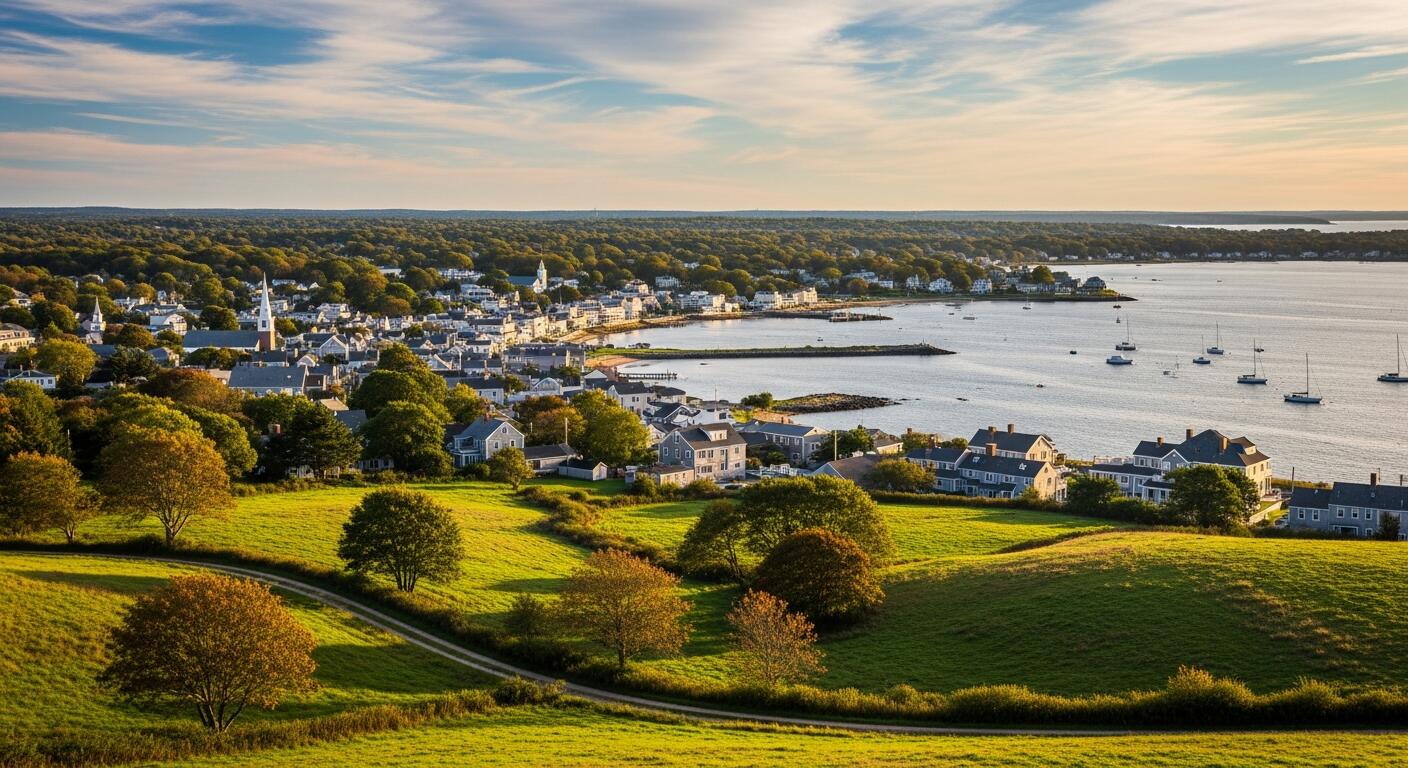
When many think of Rhode Island, historic coastal towns like Bristol come to mind. And for good reason: Bristol consistently ranks among the safest places in the state. According to public safety reports, the town posts one of the lowest rates of both violent and property crimes per 100,000 residents in the entire state, far below many urban or suburban areas.
Safety Snapshot
- Violent crimes per 100,000 residents: extremely low
- Property crime per 100,000 residents: significantly below average
- Sense of community: Strong neighborhood engagement and walkable streets contribute to safety scores.
Property Value Trends
Bristol’s housing market reflects that safety and desirability. Recent housing market data shows that Rhode Island’s median home values have generally trended upward, with state figures rising year‑over‑year as demand remains robust despite slower sales volume.
In Bristol specifically, buyers can expect higher‑than‑average prices relative to other parts of the state, often reflecting both the safety and the quality of life associated with living near the water, quaint neighborhoods, and strong schools.
Time on Market & Demand
Homes in Bristol — like much of Rhode Island — typically move quickly, especially where safety is a selling point. Data for the state shows that median days on market statewide hover around the low 30s to 40s, depending on seasonality and price point. In sought‑after communities like Bristol, the average time to sell can be even shorter, particularly for well‑priced, updated homes.
Schools & Community
Bristol is also well‑regarded for its school systems, which are frequently noted in regional ratings for strong academic performance and community involvement. Local elementary and middle schools often outperform state averages on standardized testing and graduation rates, making the community attractive for families. (School ratings are tracked by national education platforms and state data, which often show Bristol near the top among Rhode Island districts.)
2. Portsmouth — A Quiet, Secure Coastal Gem
Just south of Bristol sits Portsmouth — another town known for low crime and a high quality of life. With violent crime rates among the lowest in Rhode Island, Portsmouth attracts buyers who want coastal living without sacrificing safety.
Property Market Trends
Portsmouth shares many of the same property value trends seen statewide: years of price growth and historically low inventory. The median home value across Rhode Island has generally risen, whether measured by median closing prices or market indices. In Portsmouth, that trend is often amplified by limited inventory and strong demand from buyers seeking safer, family‑oriented neighborhoods.
Homes here often spend less time on the market than in many urban or industrial areas because list prices in safe towns tend to attract more serious buyer interest. State-level data shows listings are typically pending (under contract) within 30–40 days in active markets.
School Ratings
Portsmouth schools are frequently highlighted for academic strength and graduation rates that exceed state averages. Combined with low crime, these schools help make the town a top pick for families moving into Rhode Island.
3. Glocester — Rural Safety Meets Strong Home Value
For buyers looking to get a bit more space and rural charm without giving up peace of mind, Glocester is often high on the list. Crime statistics show both violent and property crime rates among the lowest in Rhode Island.
Real Estate Trends
In many safe towns across the state, median home prices have continued to climb, reflecting scarcity relative to demand. Whether you’re in Providence, Warwick, or quieter towns like Glocester, the general trend of rising prices and consistent demand holds.
Homes in Glocester tend to stay on the market a bit longer than in some urban cores simply because inventory levels are smaller and buyers for rural properties are a narrower group. Yet, when compared to similar rural communities in neighboring states, homes here still perform well.
Schools & Family Life
Glocester’s schools are similarly noted for community engagement and solid test results, often scoring well on regional school rating sites. These educational strengths, paired with low crime, make Glocester especially popular with families and retirees alike.
4. Burrillville, West Greenwich & Richmond — Quiet Communities with Peace of Mind
Other towns that consistently show up in safety rankings include Burrillville, West Greenwich, and Richmond. All of these communities report crime rates well below statewide averages and are considered very safe by local standards.
Home Values
While these towns don’t always see the same level of price appreciation as coastal or suburban hubs closer to Providence, they still benefit from Rhode Island’s broader trend of rising home values and limited inventory. In Richmond and West Greenwich, median values often reflect a balance of rural living with a desirable neighborhood feel — a selling point for people trading city life for space and safety.
Homes in these areas may sit on the market a bit longer than in the busiest price brackets statewide, but quality listings continue to move steadily, especially those with updates that appeal to remote workers or buyers seeking lifestyle upgrades.
School Performance
School ratings in these areas are solid, often outperforming state averages, especially when it comes to student‑to‑teacher ratios and graduation outcomes. These factors, too, bolster property demand in otherwise quieter communities.
5. East Greenwich & Cumberland — Safety Close to Urban Amenities
While smaller rural towns are often safest, two larger and more suburban communities also stand out: East Greenwich and Cumberland.
East Greenwich
East Greenwich is frequently noted not just for safety, but for its excellent schools and quality of life. Crime rates are relatively low compared to larger cities, and the area’s proximity to Providence, while maintaining a small‑town feel, appeals to many homebuyers.
Real estate in East Greenwich reflects that desirability. Market data suggests homes here often surpass statewide median values and can stay on the market for shorter periods — a sign that well‑priced homes in safe, family‑friendly communities are still in demand.
Cumberland
Cumberland also ranks highly on safety lists, and its home prices tend to be moderate relative to coastal towns. This combination of affordability, school quality, and relatively quick market absorption makes it attractive to many buyers, including first‑timers and those moving from larger metro areas.
How Rhode Island’s Overall Market Influences “Safe” Town Trends
Across all these communities, statewide housing figures help provide important context:
- Home prices remain elevated: The median sales price for single‑family homes in Rhode Island climbed into the $500,000 range in recent months, with year‑over‑year increases signaling continued demand.
- Days on market remain relatively low: Although inventory is slowly increasing, homes in many desirable areas still find buyers relatively quickly, often within 30–40 days — a pace that reflects both buyer interest and ongoing limited supply.
- Property value growth continues: Recent trend charts show statewide home values increasing moderately as we move into 2026, a sign that safe communities with good schools are holding or gaining value even in a slightly cooling market.
All of these trends mean that moonlighting buyers following NFL playoff schedule updates in the spring or out‑of‑state relocators from Boston or New York aren’t just chasing price — they’re chasing safety, lifestyle, and strong long‑term value.
Safety and School Ratings: A Closer Look
Many of the safest towns in Rhode Island also coincide with towns that perform well academically. Data from public and private school rating platforms frequently highlight:
- East Greenwich: Strong ratings for academic outcomes and college readiness.
- Bristol and Portsmouth: Above‑average performance in student achievement and graduation rates.
- Cumberland and West Greenwich: Solid assessments in school environment and teacher quality.
These school ratings are not only reassuring for parents, but they often correlate with higher resale values and overall market strength.
Where to Look in 2026
As 2026 unfolds, Rhode Island buyers and sellers are navigating a market that still favors sellers overall — but communities with low crime and strong schools are often the most resilient to market shifts. Security and educational performance aren’t just quality‑of‑life metrics; they influence property values, time on market, and long‑term resale potential.
From the tranquil streets of Bristol and Portsmouth to family‑focused suburbs like East Greenwich and Cumberland, many towns in Rhode Island are worth exploring if safety is a priority. Even in a market where coastal luxury and urban opportunity draw headlines, it’s these safe, stable communities that continue to form the backbone of the Ocean State’s housing story.