

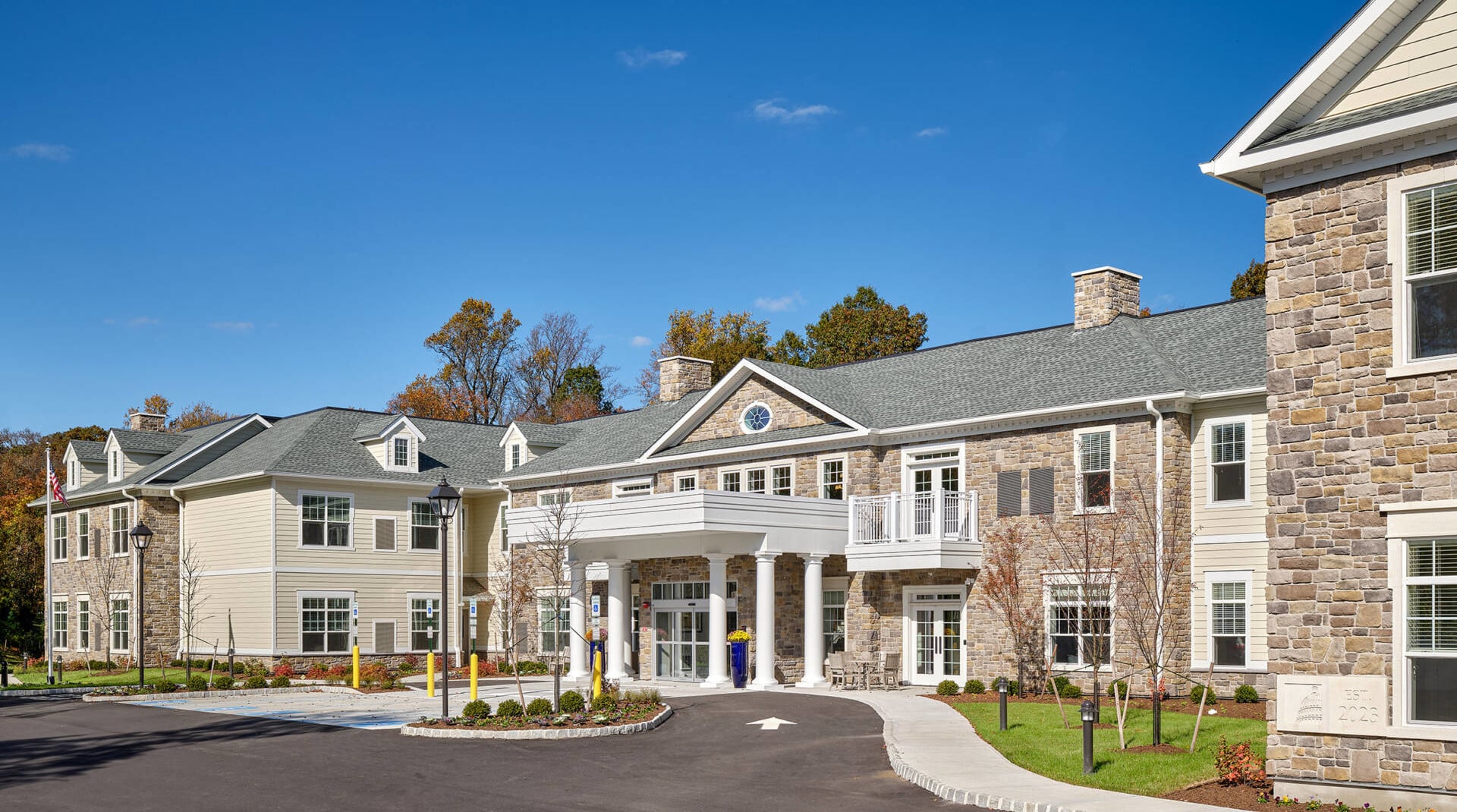
In early 2026, the senior housing sector in the Tri-State area continues to attract significant attention from institutional investors, reflecting both strong demographic fundamentals and resilient income streams. One of the most notable deals signaling this trend is the $48 million refinancing secured by Bain Capital Real Estate and Capitol Seniors Housing, covering two high-quality assisted-living and memory care communities in New York and New Jersey.
This refinancing highlights a broader trend: as demand for senior housing increases, investors and developers in the Northeast are focusing more on stabilized, well-located communities that offer high occupancy and modern amenities. For real estate professionals, understanding the details of such transactions — from financing options to local market factors — is crucial for advising clients, finding deals, and predicting market trends.
The Deal in Detail
The refinancing involves two Class-A senior living properties:
- The Chelsea at New City – Located in Rockland County, NY, approximately 20 miles from Manhattan, this community includes 80 units with a mix of assisted living and memory care offerings.
- The Chelsea at Washington Township – Located in Bergen County, NJ, this facility consists of 85 units serving similar demographics.
The transaction was facilitated by JLL’s Seniors Housing Debt Advisory team, who placed a three-year floating-rate loan with a regional bank on behalf of the Bain/Capitol Seniors borrower. The refinancing allows the owners to optimize capital structures, fund renovations, and maintain competitive positioning in highly desirable Northeast markets.
Key property amenities include restaurant-style dining, health and wellness programs, lounges, transportation, and daily activity options — all features increasingly considered essential in Class-A senior living assets. These services not only enhance resident satisfaction but also support premium rent levels, which are critical for maintaining high operating income and attractive cap rates.
Why This Deal Matters
From an investment standpoint, the Bain Capital refinancing highlights several critical trends for real estate professionals:
1. Strong Institutional Interest in Senior Housing
Senior housing remains one of the most stable and sought-after asset classes within multifamily and specialized housing sectors. The combination of an aging population, limited new supply, and predictable occupancy levels makes senior living properties an attractive proposition for institutional investors seeking income stability with moderate growth potential.
In 2026, the U.S. Census Bureau reports that the population aged 65 and older continues to grow, with the Northeast seeing significant concentration in suburban hubs like Bergen County and Rockland County. For real estate professionals, this demographic trend translates into consistent demand for assisted-living and memory care units, supporting both refinancing opportunities and acquisitions.
2. Geographic Advantage
The properties involved in the $48 million refinancing are strategically located:
- Proximity to Manhattan – While residents often seek suburban settings, being near New York City allows for family engagement, healthcare access, and transportation connectivity, all of which drive occupancy and premium rents.
- Northeast Suburban Stability – Counties like Bergen and Rockland offer robust economic fundamentals, low vacancy rates, and strong regulatory environments that favor well-capitalized operators.
These factors make the Tri-State senior housing market attractive not just for institutional refinancing but also for long-term investment and development strategies, particularly in markets like Jersey City, Hoboken, and other high-demand areas of northern New Jersey.
3. Financing Dynamics
The transaction itself reflects current capital market trends in the senior housing sector:
- Floating-rate structures – These allow borrowers to take advantage of near-term financing flexibility while hedging against future interest rate movements.
- Short-term loan horizons – A three-year term provides the operator with the ability to refinance again in favorable market conditions, execute upgrades, or optimize operational efficiencies.
For real estate professionals, understanding these financial mechanics is crucial. Deals structured with floating-rate debt and medium-term horizons signal confidence in both property fundamentals and broader market stability, which can influence underwriting assumptions and risk models.
Regional Senior Housing Trends
The Bain Capital refinancing is emblematic of a larger wave of activity across the Tri-State area:
New Jersey
- High-demand suburbs – Northern NJ counties, including Bergen, Essex, and Hudson, are witnessing strong demand for Class-A senior living facilities due to demographic density and high median incomes.
- Limited new supply – Regulatory hurdles, zoning restrictions, and land costs have constrained the development pipeline, leading to continued premium valuations for stabilized assets.
- Jersey City and Hudson County relevance – While Jersey City is more known for multifamily and mixed-use development, the trends in senior housing influence portfolio diversification strategies, especially for developers and investors considering adaptive reuse or redevelopment in urban cores.
New York
- Suburban clusters – Rockland, Westchester, and Long Island are prime areas for senior living investment, benefiting from proximity to NYC while offering lower land costs than the urban core.
- Stabilized occupancy – Senior living properties in these areas consistently report occupancy rates above 90%, a key metric for financing, refinancing, and valuation.
Implications for Real Estate Professionals
For brokers, investors, and developers, the Bain Capital refinance offers several takeaways:
1. Senior Housing as a Stable Asset Class
Compared with traditional multifamily or office assets, senior housing offers predictable cash flow due to strong demographic trends and limited supply. For investment advisors, this translates into lower vacancy risk and an attractive entry point for both institutional and private investors.
2. Refinancing Opportunities as Market Signals
A $48 million refinancing of stabilized senior housing properties indicates that lenders are confident in the asset class and willing to deploy capital under current economic conditions. For real estate professionals:
- Keep an eye on refinancing windows as opportunities to advise clients on capital optimization.
- Understand the loan structures and covenants, as these can influence potential acquisitions and operational decisions.
3. Operational Excellence and Amenities Matter
The success of the Chelsea communities underscores the importance of amenity-rich offerings, including:
- Health and wellness programs
- On-site dining
- Transportation services
- Memory care and assisted living integration
These features not only command higher rent premiums but also contribute to stabilized occupancy, enhancing refinancing or sale potential.
Broader Market Trends
Beyond individual deals, several macro trends are shaping the senior housing sector:
Demographics
The U.S. is witnessing unprecedented growth in the population aged 65+, particularly in high-income Northeast markets. For real estate professionals, this translates into:
- Increased long-term demand for assisted living, memory care, and active adult communities.
- Opportunities for mixed-use or adaptive reuse in urban centers where land is scarce.
Capital Flow
Institutional investors are actively seeking stable income assets, and senior housing fits that profile. Refinancing activity, like the Bain Capital deal, signals confidence in market fundamentals, even as interest rates and credit conditions fluctuate.
Regulatory Environment
Zoning, licensing, and healthcare regulations can impact senior housing development and operation. Staying informed is essential for:
- Underwriting new acquisitions
- Assessing risk for refinancing
- Advising developers on feasibility
Investment Takeaways
- Target Stabilized, High-Occupancy Assets – Investors should prioritize properties that demonstrate consistent occupancy and strong operational track records, similar to the Chelsea communities.
- Consider Geographic Advantage – Proximity to urban centers with high-income demographics continues to be a critical driver of performance.
- Assess Financing Options Carefully – Floating-rate loans and short-term refinancing windows offer flexibility but require careful monitoring of interest rate risk.
- Leverage Amenities as Value Drivers – Well-designed services, wellness programs, and on-site healthcare support occupancy, allowing for higher rent premiums.
- Monitor Demographic Shifts – Northern New Jersey and suburban New York remain growth areas, but professionals should anticipate emerging markets in other parts of the Northeast as baby boomer demographics expand.
Senior Housing vs. Other Asset Classes
For comparison:
Asset Class | Average Cap Rate | Stability | Demand Driver |
Senior Housing | 5.5–6.5% | High | Aging population, limited supply |
Multifamily Urban | 4–5% | Moderate | Rental demand, job growth |
Office Class A | 6–7% | Moderate | Employment density, leasing trends |
Retail | 6–8% | Low | Consumer trends, e-commerce |
Senior housing continues to offer a unique combination of stable cash flow, demographic tailwinds, and long-term value, making deals like the Bain Capital refinance highly relevant for professionals evaluating portfolio allocation.
Strategic Implications for Jersey City and Northern New Jersey
While Bain’s deal focuses on Bergen and Rockland counties, Jersey City and Hudson County developers and investors should take note:
- Portfolio Diversification – Senior housing offers a complementary income stream alongside multifamily and mixed-use development.
- Adaptive Reuse Opportunities – As multifamily rents moderate slightly in urban cores, converting older commercial or hospitality properties into senior living may be feasible.
- Capital Market Signals – The deal demonstrates continued liquidity in the senior housing sector, suggesting refinancing and acquisition opportunities are likely to remain active.
The $48 million refinancing by Bain Capital and Capitol Seniors Housing is more than a simple financial transaction. It signals continued investor confidence in senior housing across the Tri-State area and highlights the sector’s resilience amid evolving market conditions. For real estate professionals:
- Understanding the financial mechanics of these deals is essential.
- Tracking demographic and regional trends can guide strategic investment.
- Observing amenities and operational excellence will help forecast property performance.
In 2026, senior housing in the Tri-State region remains a prime focus for capital deployment, portfolio diversification, and strategic development, particularly in high-income, well-located suburban markets. Professionals who can navigate these trends will be well-positioned to capture both stable cash flow and long-term appreciation in an increasingly competitive market.