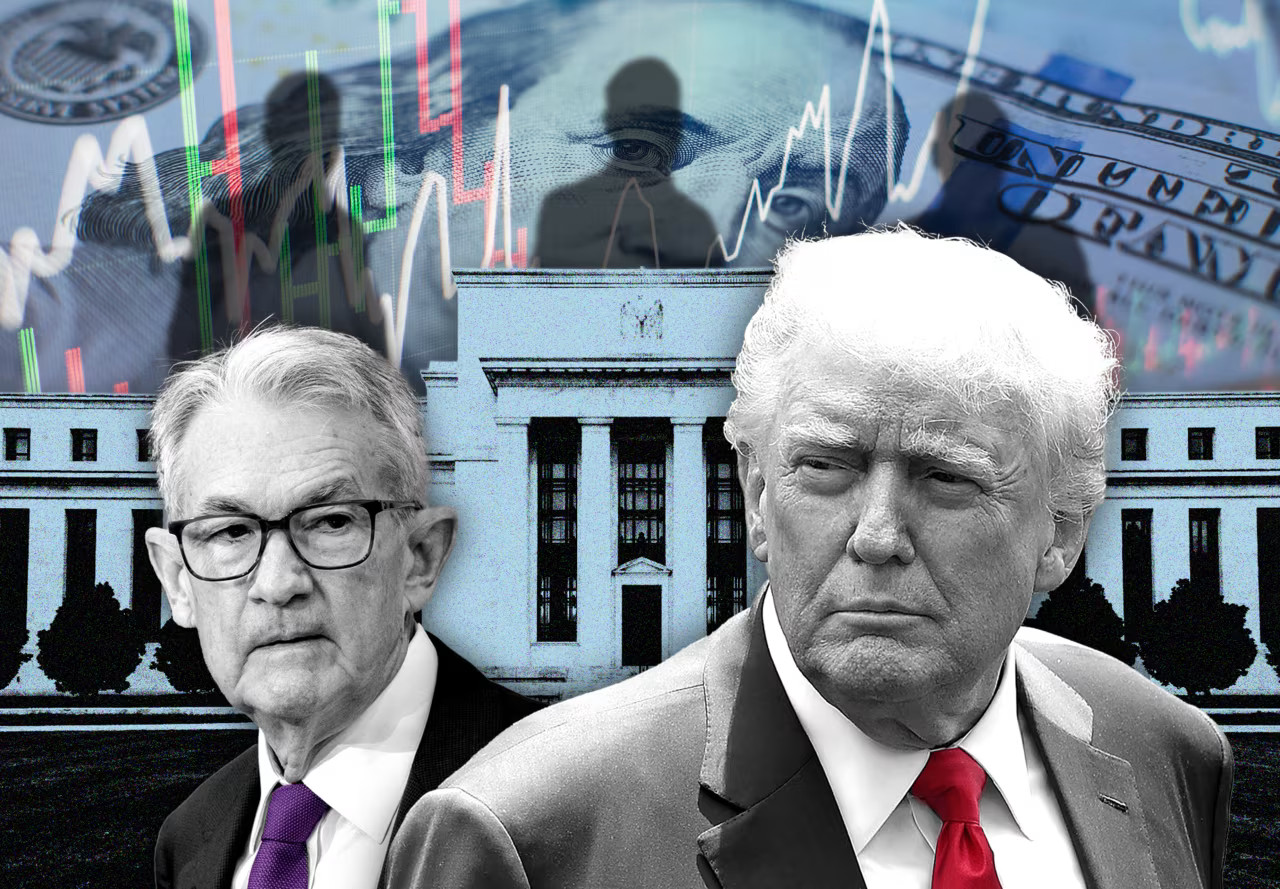
WASHINGTON, D.C. — President Donald Trump is nearing a decision on who will lead the Federal Reserve, a choice that financial markets, economists, and homebuyers alike are watching closely. With current Fed Chair Jerome Powell’s term set to end in May 2026, the selection of his successor will have wide-ranging implications for everything from inflation and interest rates to mortgage costs and the pace of home sales.
A High-Stakes Choice at a Critical Moment
The Federal Reserve sits at the heart of U.S. economic policy, guiding decisions on interest rates and credit conditions that directly affect borrowing costs for consumers and businesses. Trump has publicly criticized Powell’s leadership, particularly over what he views as a reluctance to cut interest rates quickly enough to support housing affordability and economic growth.
In Davos earlier this week, Trump said he has interviewed several strong candidates and hinted that an announcement could come “very soon.” Treasury Secretary Scott Bessent, who has overseen the selection process, confirmed that the list has been narrowed to four finalists and that a decision may be announced as early as next week.
The Leading Contenders
Although the formal nomination has not been announced, several names have consistently surfaced as finalists for the Fed’s top job:
- Kevin Hassett – A longtime economic adviser to Trump and former chair of the White House Council of Economic Advisers, Hassett has emerged as an early favorite in markets and prediction platforms. He has advocated for lower interest rates and closer coordination between the Fed and fiscal authorities.
- Kevin Warsh – A former Fed governor with significant experience in central banking, Warsh has also gained ground in recent speculation markets, with some traders assigning him a leading probability of being chosen.
- Christopher Waller – Already a member of the Fed’s Board of Governors, Waller is seen as a stabilizing option with institutional experience, though he trails the other candidates in some forecasts.
- Rick Rieder – BlackRock’s chief investment officer for global fixed income, Rieder has long argued for aggressive rate cuts to stimulate housing and broader economic activity, though his outsider status could complicate confirmation.
Whatever the outcome, the nominee must be confirmed by the Senate — a process that could heighten political and market uncertainty in the weeks ahead.
Housing Market at the Center of the Debate
One of the most closely watched aspects of the Fed chair selection is how it will influence interest rate policy, especially given Trump’s repeated emphasis on making homeownership more affordable. Mortgage rates — which are tied closely to longer-term bond yields rather than the Fed’s short-term policy rate — have remained elevated, dampening buyer demand and slowing sales in some regions even as prices stay high.
A Fed chair who prioritizes sharp cuts to interest rates could lower borrowing costs across the board. Lower mortgage rates make monthly payments more affordable for buyers and stimulate home sales. But economists caution this is not guaranteed: aggressive rate cuts could push inflation expectations higher, which might paradoxically increase long-term bond yields and keep mortgage rates stubbornly high.
Moreover, even if the Fed lowers rates, the biggest constraint facing the housing market isn’t always financing — it’s supply. Limited construction, zoning restrictions, and rising building costs mean that simply making credit cheaper does not necessarily increase the number of homes available. Without more housing inventory, price pressures may persist despite lower borrowing costs.
The Broader Economic Impacts
Beyond housing, the Fed chair plays a crucial role in balancing inflation, employment, and economic growth. A more dovish leader — one who emphasizes lower rates — might support short-term growth and markets, but risk higher inflation down the road. Conversely, a chair focused on price stability might keep rates higher for longer, restraining inflation but potentially slowing borrowing and investment.
Markets have already reacted to the uncertainty around the leadership choice. Treasury yields and stock prices have shown volatility as investors attempt to price in different potential policy paths depending on who is nominated and confirmed.
Political and Institutional Dynamics
Trump’s relationship with the Fed has been unusually public and at times contentious. He has criticized the institution’s independence, especially when it does not align with his views on rate cuts and economic stimulus, raising questions about central bank autonomy. The nomination process itself has become a focal point in that broader debate, highlighting tensions between presidential influence and the Fed’s traditional independence.
Some legal and political analysts are also watching how other Fed-related actions — including legal challenges involving current governors — might intersect with the nomination and confirmation process.