

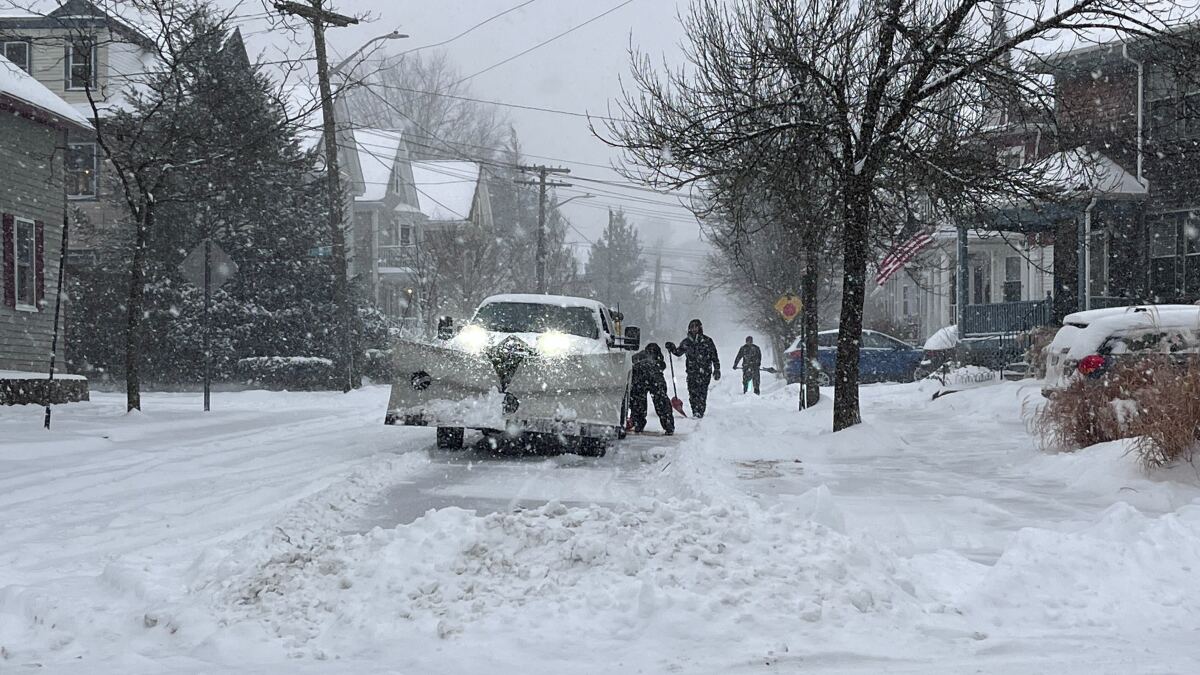
When Rhode Island declares a state of emergency ahead of a major blizzard, most attention, understandably, goes to snowfall forecasts, travel bans, and storm preparedness. Roads are empty, grocery stores are full, and daily routines temporarily shift.
But behind the scenes, the real estate market experiences its own version of disruption.
The housing sector rarely comes to a complete stop during severe winter weather, yet it does slow in ways that affect buyers, sellers, landlords, and real estate professionals alike. These impacts are typically temporary, but understanding them helps set realistic expectations and prevents unnecessary concern.
A Market That Temporarily Presses Pause
The most immediate effect of a blizzard is logistical. Real estate is, at its core, a business that relies on physical access. Buyers tour homes, inspectors evaluate properties, appraisers conduct site visits, and closing processes often depend on multiple parties working in sync.
When travel becomes dangerous or restricted, that entire chain experiences friction.
Showings are postponed, open houses are canceled, and appointments that seemed firmly scheduled just days earlier suddenly move to “to be determined.” Even highly motivated buyers tend to pause during severe storms, not because demand disappears, but because safety and practicality take precedence.
For sellers, this can feel unsettling. A listing that had steady activity may appear to go quiet overnight. In reality, interest has not vanished — the weather has simply interrupted normal momentum.
The Subtle Distortion of Days on Market
One of the more misunderstood consequences of severe weather involves Days on Market metrics.
If a property remains listed through a week of storm-related cancellations, those additional days accumulate on paper. A home that might normally attract an offer within a few weeks can suddenly appear as though it is lingering, despite buyers never having had a fair opportunity to view it.
This is not market rejection. It is a timing distortion.
Experienced agents often help sellers interpret these numbers in context. Weather-driven delays are a normal feature of winter markets in New England, and activity frequently rebounds once conditions stabilize.
Transactions in Progress: Feel the Strain
For deals already under contract, blizzards introduce a different challenge: scheduling disruption.
Inspections may need to be rescheduled if access to the property becomes unsafe. Final walkthroughs can shift. Closing dates occasionally move when lenders, attorneys, or municipal offices operate at reduced capacity.
Even in an increasingly digital transaction environment, real estate still depends on human coordination. Storms disrupt availability, slow processes, and occasionally create bottlenecks.
Importantly, these delays are rarely deal-breaking. Most contracts anticipate reasonable extensions under circumstances beyond anyone’s control. The inconvenience is real, but the long-term impact is typically minimal.
Houses Under Pressure: A Real-World Stress Test
Blizzards do something uniquely revealing to housing stock: they apply pressure.
Heavy snow loads, prolonged cold temperatures, and ice formation expose weaknesses that might otherwise remain hidden. Roof integrity, insulation performance, heating reliability, and drainage systems all face heightened scrutiny.
Buyers often become more observant after major storms. Questions around roof age, heating efficiency, and winter durability suddenly carry more weight. Features that once felt like background details become central considerations.
For sellers, storm-related issues can introduce new conversations. Minor damage, leaks, or system failures may lead to repair negotiations or insurance claims. Homes that perform well, on the other hand, gain a quiet psychological advantage.
Buyers notice resilience.
The Psychological Shift in Buyer Behavior
Weather events don’t just affect logistics — they influence perception.
Severe storms tend to amplify buyer preferences for properties perceived as stable, efficient, and low-maintenance. Updated systems, newer construction, strong insulation, and reliable heating become more attractive in practical, tangible ways.
A blizzard has a way of turning theoretical concerns into lived experience. Buyers are no longer imagining winter conditions; they are actively observing how homes perform under stress.
Insurance Awareness Moves to the Forefront
Blizzards also spark renewed conversations around risk and protection.
Buyers often become more attentive to insurance considerations, particularly in coastal and older housing markets like Rhode Island. Discussions around coverage, premiums, and property resilience naturally gain prominence following major weather events.
Storms serve as reminders that homeownership carries responsibilities extending beyond mortgage payments and taxes.
Construction and Development Experience Quiet Delays
For new construction and renovation projects, severe weather introduces yet another layer of disruption.
Snowstorms frequently cause temporary work stoppages, delay material deliveries, and shift contractor schedules. These delays rarely change the viability of projects, but they can influence completion timelines and listing launches.
In markets already constrained by low inventory, even modest construction delays can subtly affect seasonal supply patterns.
Disruption Is Not Decline
Perhaps the most important perspective to maintain is this:
Blizzards disrupt markets.
They do not redefine them.
Severe weather events seldom alter the fundamental drivers of housing demand. They do not suddenly create oversupply or collapse pricing trends. Instead, they compress timelines, pause activity, and shift schedules.
Once conditions normalize, buyer traffic typically returns.
In many cases, postponed showings, delayed inspections, and backlogged decisions create a short-term rebound effect. Activity that was temporarily stalled re-enters the pipeline.
A Market That Adapts, Not Panics
Rhode Island’s housing market, like most New England markets, is no stranger to winter disruption. Storms are part of the rhythm rather than anomalies.
Understanding this dynamic allows buyers, sellers, and real estate professionals to respond with patience rather than anxiety. Temporary slowdowns, scheduling delays, and metric distortions are normal features of severe weather cycles.
Once the snow clears, the market almost always resumes its course.