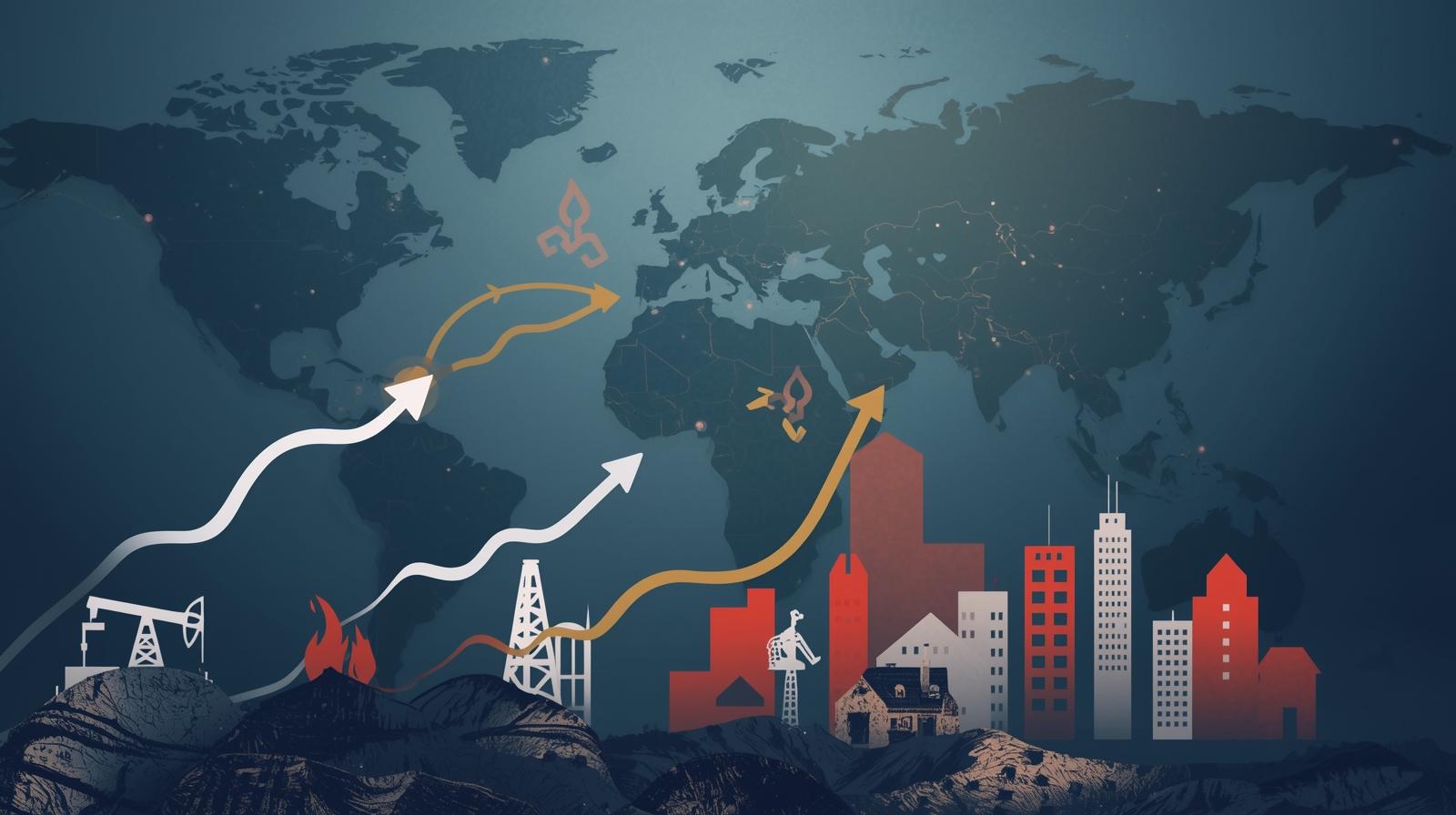
The Strait of Hormuz is currently the most expensive parking lot in the world. As of today, Monday, March 2, 2026, the geopolitical situation in Iran has escalated to a full-blown maritime blockade, and the ripple effects are moving much faster than a standard oil tanker.
For most people, a conflict in the Middle East feels worlds away from a split-level ranch in Manchester, NH or a condo in Bonita Springs, Florida. But the global economy is connected by a very thin, very oily umbilical cord. When 20% of the world’s daily oil supply gets choked off at the source, the "For Sale" sign in your neighbor's yard starts to look a little different.
Brent crude has already jumped past $82 per barrel. While that is a headache at the gas pump, the real pain for the real estate industry is found in the secondary effects: inflation, interest rates, and the sheer cost of keeping a New England home warm in March.
The Fed’s Inflation Nightmare
The biggest concern for anyone looking at mortgage rates today is how the Federal Reserve will react to an energy-driven inflation spike. For the last year, we have been watching for signs of rate cuts. This conflict just threw a massive wrench into those gears.
Energy prices are a core component of the Consumer Price Index (CPI). When oil prices surge, the cost of transporting everything, from avocados to 2x4s, goes up. If the Fed sees inflation creeping back toward 4% or 5% because of energy costs, they are going to keep interest rates higher for longer.
We have already seen a shift in the housing market forecast for the remainder of 2026. Buyers who were sitting on the sidelines waiting for 5% mortgage rates might be waiting a lot longer. If you want to see where things currently stand, you can check current mortgage rates here.
The Northeast Factor: Heating Oil and Diesel
Northeast homeowners feel global oil spikes more acutely than folks in the Sunbelt. We are still in the tail end of the heating season, and a significant portion of that reagion relies on No. 2 heating oil.
When the Strait of Hormuz closes, heating oil prices don’t wait for the morning news to go up; they react instantly. A homeowner suddenly facing a $900 oil delivery has less "disposable income" to put toward a down payment or a home renovation.
Beyond heating, there is the diesel factor. Every piece of equipment on a job site, such as excavators, dump trucks, and delivery vans, runs on diesel. Many contractors are coming from across state lines or hauling materials from distant lumber yards; those fuel surcharges add up. This isn't just about the price of gas; it’s about the underlying cost of maintaining and building a home in the Northeast.
Construction Costs and the New Build Surcharge
If you are currently under contract for a new construction home, you might want to read your fine print for "escalation clauses." Modern home building is an incredibly energy-intensive process.
Lumber needs to be kiln-dried and shipped. Concrete production is one of the most energy-heavy in dustries on the planet. When Brent crude stays above $80, the freight companies that move these materials add fuel surcharges.
We have seen this play out before, but the 2026 conflict in Iran is creating a unique supply chain bottleneck. Contractors who were already dealing with labor shortages are now facing a scenario where it costs 15% more just to get the materials to the site. This inevitably pushes the final sale price higher, further straining the housing market forecast for affordability. For more on how external factors like weather and logistics impact the market, see our recent piece on the NYC blizzard's impact on housing.
Consumer Sentiment: The Fear Factor
Real estate runs on confidence. When people feel secure in their jobs and the world feels relatively stable, they are willing to take on a 30-year debt obligation. When the news cycle is dominated by words like "blockade," "conflict," and "oil crisis," that confidence evaporates.
The "fear factor" creates a frozen market. Sellers who don’t have to move decide to wait and see. Buyers decide that maybe they should keep their cash in a high-yield savings account rather than tying it up in a down payment while the world is on edge.
This hesitation is often more damaging to the market than the actual interest rates. A market with high rates but high confidence still moves. A market with high rates and low confidence grinds to a halt. We saw similar patterns during the 2025 government shutdown, and the current Iranian crisis is amplifying that uncertainty.
Practical Impact Section
How does this specifically hit you? Let’s break it down by role.
For Buyers
Your purchasing power is likely to stay flat or decrease. In New Hampshire, for example, if mortgage rates today stay elevated due to the Fed’s inflation concerns, you’ll need to adjust your expectations. It might be time to look at different towns or smaller footprints to compensate for the higher monthly carry cost.
For Sellers
Inventory remains low, which is your biggest advantage. However, your pool of buyers is getting squeezed by energy costs and higher interest rates. Don't expect the bidding wars of 2021. Pricing your home realistically is more important now than it was two months ago.
For Homeowners
Keep an eye on your utility bills. If you haven't looked into weatherization or heat pumps, the 2026 energy spike might be the final nudge you need. Also, if you were planning a major renovation, get your quotes locked in now before fuel surcharges make your contractor's "materials" line item double.
For Investors
This is a time for "safe haven" thinking. While some are pivoting to European markets, the Northeast multifamily units remain a strong play because people always need a place to live, regardless of what's happening in the Middle East. Focus on properties with owner-paid utilities where you can implement energy-efficient upgrades to protect your margins.
For Realtors
Your job is now 50% psychologist. Clients are going to be scared of the headlines. Being able to explain the difference between a temporary energy spike and a fundamental housing market collapse is how you provide value. You can find more resources to share with your clients in our helpful guides section.
What to Watch and the Outlook
We aren't in a vacuum. The housing market is a lagging indicator, meaning we won't see the full impact of this Strait of Hormuz closure for another 30 to 60 days.
The first thing to watch is the next CPI report. If energy costs have pushed inflation significantly higher, expect the bond market to react, which will push mortgage rates up before the Fed even has a chance to meet.
Second, keep an eye on the "tanker count." If diplomatic efforts start to ease the blockade and oil ships begin moving through the Strait again, we could see a rapid "relief rally" in the markets. Oil prices could drop just as fast as they rose, which would take the pressure off the Fed and potentially stabilize the housing market by the summer.
For now, the mantra is "cautious observation." We aren't seeing a crash, but we are seeing a shift. The 2026 housing market was already shaping up to be a year of transition; the conflict in Iran just made that transition a lot more expensive.
To stay updated on how these global events continue to reshape the local landscape, check out our about us page to learn more about our mission at Real Estate Partners, or browse our additional articles for deeper dives into the market.