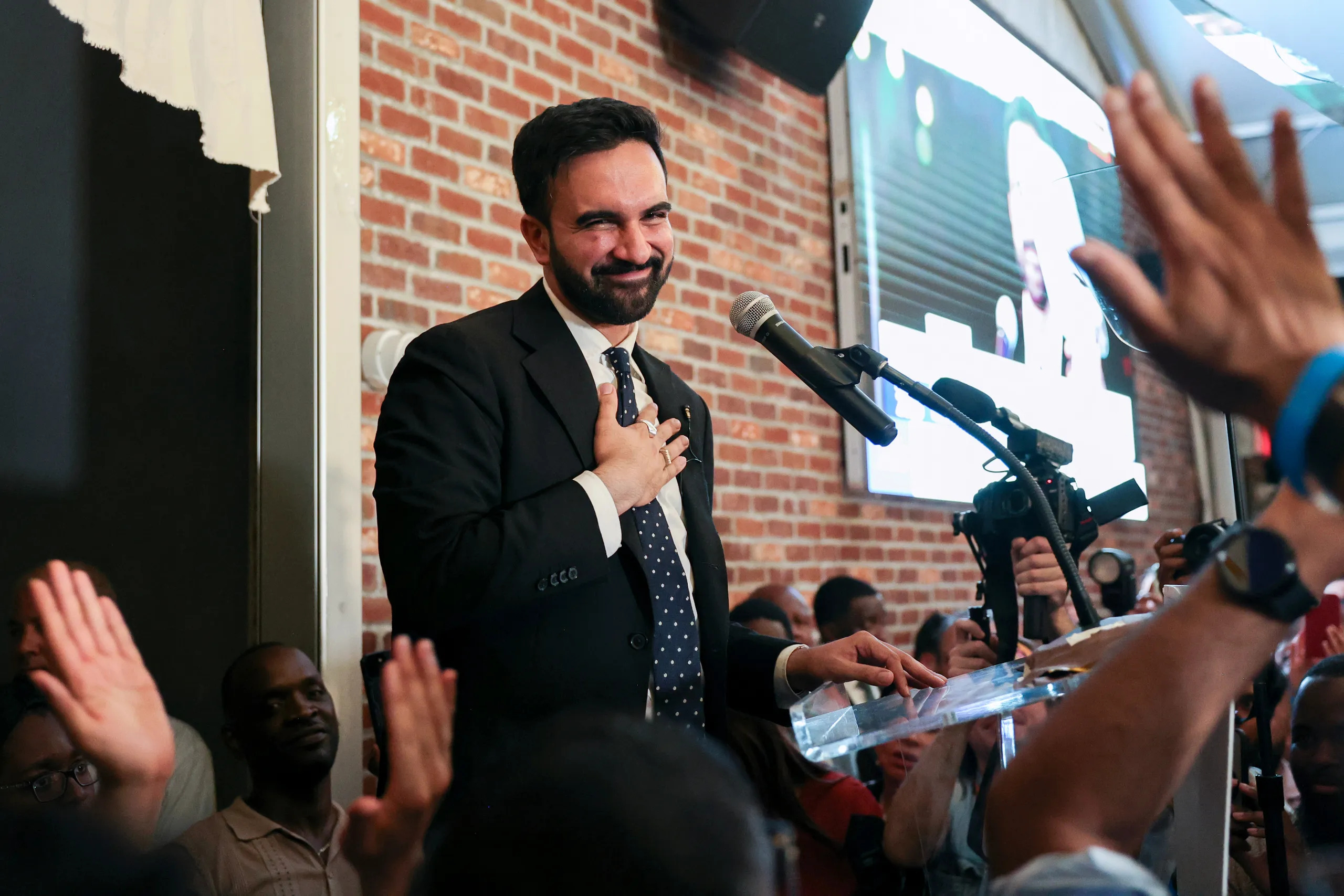
When Zohran Mamdani won the 2025 mayoral election in New York City, many in finance and real estate held their breath. The 33-year-old democratic socialist had campaigned on bold promises: higher taxes on the wealthy and big businesses, freezing rent for stabilized apartments, expanding publicly subsidized housing — a sweeping agenda meant to reshape NYC’s economic landscape.
But now, some of the panic has softened. As the dust settles and business leaders assess reality, what looked like a looming exodus may be turning into cautious negotiation. The $9 billion-a-year tax-revenue plan isn’t dead — but it's evolving, and so is the response.
In this post, I walk through what we know now: the outline of Mamdani’s plan, why many feared a mass exit of the rich and corporations — and why, increasingly, some see that fear as exaggerated.
What was in the original plan — and why it triggered an alarm
Mamdani’s campaign stood out for its uncompromising pledges. His proposals included:
- A 2% income tax surcharge on New Yorkers making more than US$1 million annually. (Investing.com, Cumberland Advisors)
- Raising the city’s corporate tax rate — reportedly up to around 11.5%, significantly above current levels. (Investing.com)
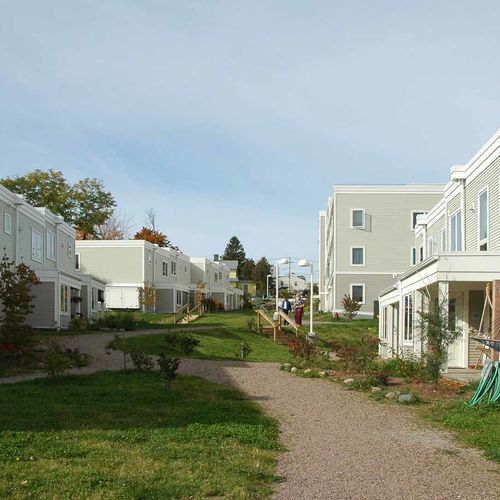
- A massive housing plan: city-sponsored development of 200,000 new subsidized, rent-stabilized apartments over a decade, along with a citywide rent freeze on stabilized units. (Fortune, bloomberg.com)
Taken together, the city estimated these measures could bring in about US$9 billion per year — funds earmarked for affordable housing, public services, and cost-of-living relief. (Yahoo)
For many high-earners, landlords, and business owners, this was a red line. Critics warned that the surcharges, combined with stricter rent policies, could erode the profitability of real estate investment and burden affluent individuals. (Fox Business)
Some forecasts were dramatic — businesses might relocate, wealthy residents could flee to the suburbs or lower-tax states, and NYC’s status as a global financial hub could suffer. (Fox News)
The “Exodus” Reaction: Early Signs of Flight — and Fear
In the immediate aftermath of Mamdani’s primary win (and eventual general election victory), a wave of what realtors and analysts dubbed the “Mamdani effect” rippled across New York. (Fortune)
- Brokers reported a surge in affluent Manhattan residents looking at homes in suburbs like Westchester — a 15% year-over-year jump in contracts in some areas.
- On Wall Street, many executives publicly expressed alarm. According to one survey of finance‐industry leaders, there was a growing sentiment: “If the city becomes unfriendly to commerce, we have to seriously consider relocating.” (Investing.com, Fortune)
- Real-estate investors and landlords also warned that a rent freeze — especially without robust redevelopment incentives — could make building upkeep economically unviable, discouraging new projects.
Some prominent voices even predicted a cascading effect: fewer high-earners, shrinking corporate presence, and eventually — a weakening of the very tax base intended to fund Mamdani’s progressive agenda.
What’s Changed: From Panic to Cautious Cooperation
But as 2025 has progressed, the reaction from many in business circles seems to be shifting — from outright opposition to guarded pragmatism. Several factors have contributed:
- Key industry leaders have engaged with Mamdani’s team — despite earlier public warnings — signaling a willingness to negotiate rather than abandon ship. (Business Standard)
- Some analysts and watchdog groups point out that while the proposals are ambitious and expensive, the city’s fiscal structure and existing regulations — including state-level tax and budget controls — could constrain implementation. That means immediate, drastic change is unlikely.
- On the housing front, the argument has emerged that demand for affordable, stabilized units may stay strong — potentially offsetting landlord hesitancy, especially if the city offers incentives or subsidies.
In short: Many business leaders appear to be adopting a “wait and see” approach — signaling frank concern, but not yet pulling the trigger on mass relocation or divestment.
The Risk Still Exists — But Might Be Overstated
Does this mean the fears of a full-blown exodus were overblown? Possibly — but not entirely off base.
Experts studying the behavior of high-income taxpayers in similar scenarios warn that while some may relocate, wholesale exit is rare. The decision to uproot lives, businesses, and social networks is heavy — especially in a city like NYC, where many have deep professional and personal roots. (Good Morning America, Investing.com)
Moreover, a shrinking tax base — even if gradual — could undermine the very social-program goals the city hopes to fund. As one fiscal watchdog put it: funding expanded services is fine, but only if the city also “shrinks what doesn’t deliver” and avoids overspending.
And while demand for affordable housing may be high, the long-term viability of rent freezes depends heavily on whether supply can keep up — and whether landlords and developers remain willing to invest.
What This Means for NYC — and What to Watch Next
Given all this, the future of New York under Mamdani likely won’t match the doomsday scenarios some predicted. Instead, what may unfold is a tense compromise: a tug-of-war between progressive social policy goals — affordable housing, rent stabilization, expanded public services — and efforts by business interests to preserve profitability and flexibility.
A few key factors to monitor in the coming months:
- Whether tax increases proceed as proposed, or get diluted or delayed because of pushback.
- The reaction of real estate investors: will they continue financing new developments, or pull back on luxury and market-rate units?
- Migration patterns: not just of ultra-wealthy individuals, but also middle-class and working-class residents — rent and cost-of-living shifts may push or pull different segments of the population.
- How robust the city’s fiscal oversight and budgeting will be, and whether revenue gains from high earners can withstand potential attrition.
A City at a Crossroads — But Not a Crash
It’s tempting to view the situation in black-and-white: “Radical socialist mayor = mass flight” — or “City survives, gets more equal.” Reality, as usual, looks messier and more nuanced.
Yes: the economic shockwaves triggered by Mamdani’s election are real, and valid concerns remain about tax base erosion, investment pullback, and housing-market distortion.
But the shift from panic toward cautious engagement suggests many stakeholders are hedging — not fleeing. That opens a window for negotiation, adaptation, and perhaps a re-thinking of how New York can remain dynamic, inclusive, and business-friendly all at once.
In a lot of ways, New York is entering a grand social experiment — and how it plays out depends less on ideology than on pragmatism, flexibility, and the willingness of all sides to find a working equilibrium.
Check out this article next