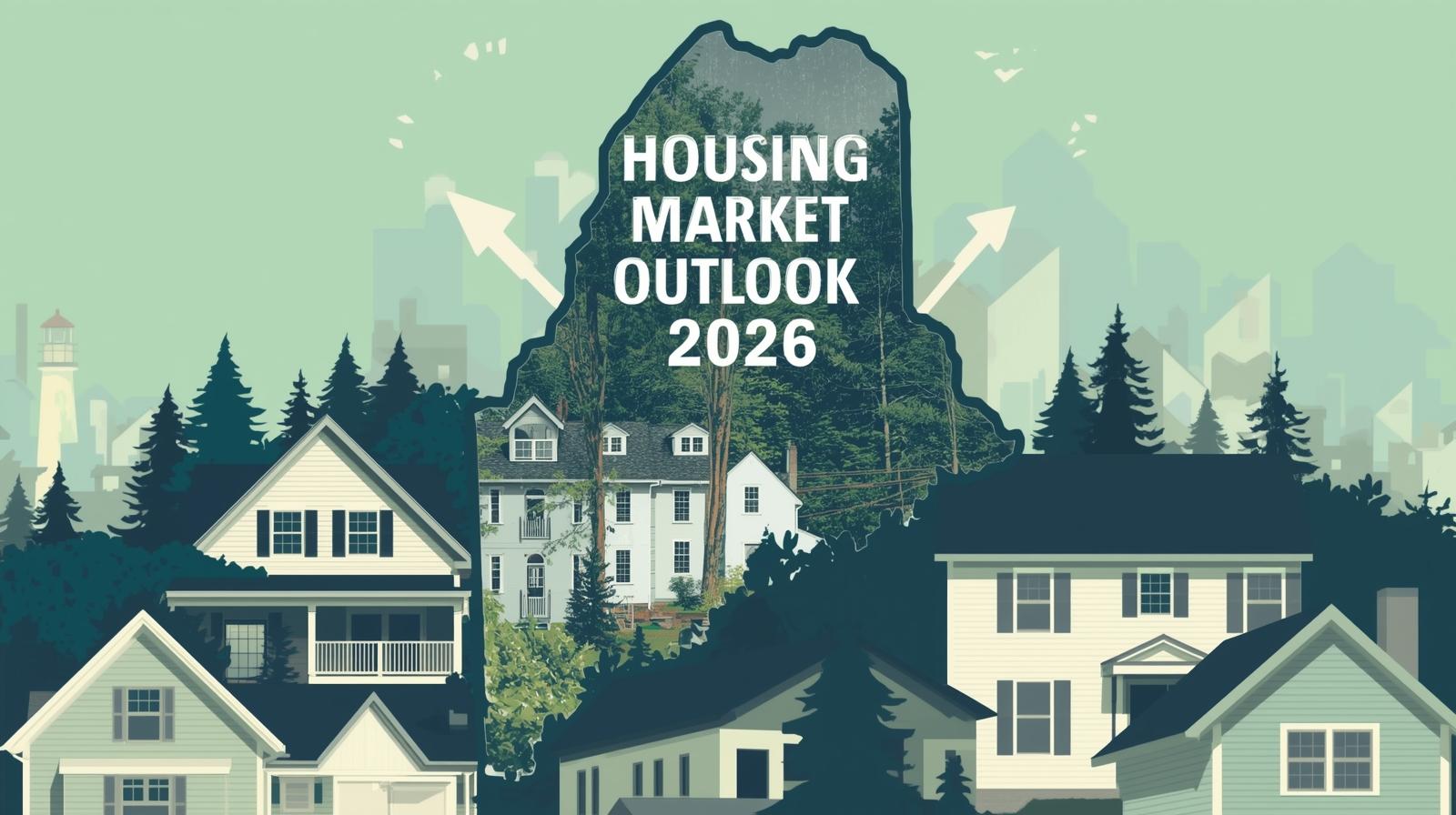
As Maine moves into 2026, the housing market is entering a period of careful adjustment. After a year of rising prices, shifting inventory, and regional variation, the state’s real estate landscape presents both opportunities and challenges. From buyers looking for value to investors seeking stable returns, understanding the local nuances will be essential.
Where Maine Stands Heading Into 2026
Late 2025 saw notable activity across Maine. Home sales picked up, and median prices rose modestly compared with the previous year. However, not all regions experienced the same trends. Coastal and southern areas, including the Greater Portland region, remained highly competitive, while central and northern parts of the state saw a more balanced market with slower turnover and more available inventory.
At the same time, Maine continued to add housing units at a faster pace than in previous years. But household sizes are shrinking, meaning that even as supply increases, the pressure on housing remains. This combination of growing inventory and persistent demand sets the stage for a nuanced market in 2026.
Key Trends to Watch in 2026
1. Regional Differences Will Shape Opportunities
The split between Maine’s regions is likely to continue. Coastal and southern markets may see continued price growth, driven by strong demand and limited supply. Central and northern areas could offer more options for buyers, longer negotiation windows, and less competition. Realtors and investors will need to focus on local trends rather than statewide averages to make informed decisions.
2. Commercial and Multifamily Markets Remain Active
Maine’s commercial real estate sector, including industrial, retail, and multi-family properties, showed strong activity in late 2025. Investor interest is steady, providing stability to the overall market and opportunities for those looking to diversify beyond single-family homes. Multifamily units, in particular, are attracting attention due to steady rental demand and long-term income potential.
3. Affordability Remains a Challenge
Even with increased housing production, affordability continues to be a major concern. Many households struggle to keep up with rising prices, particularly in high-demand coastal markets. Policymakers, developers, and community groups are increasingly focused on addressing these gaps, which could lead to more initiatives supporting workforce and affordable housing.
4. Inventory and Buyer Power
In some areas, inventory has risen, giving buyers more leverage than in recent years. Homes are staying on the market slightly longer, and negotiations are becoming more common, especially outside the most competitive regions. Buyers who are prepared and act strategically may find opportunities, but high-demand areas will continue to require speed and readiness.
5. Mortgage Rates and Financing Trends
While rates remain higher than the historic lows of recent years, forecasts suggest moderate movement downward in 2026. This could improve affordability for buyers and stimulate activity. At the same time, some homeowners with favorable existing rates may remain reluctant to sell, slowing inventory growth in certain markets.
Opportunities for Different Stakeholders
For Buyers:
- Look beyond the hot coastal markets to find value in central and northern Maine.
- Get pre-approved and be ready to act in competitive areas, particularly if a desirable property becomes available.
For Sellers:
- Understand local market dynamics and price realistically.
- Consider timing listings strategically, especially before the typical winter slowdown in inventory.
For Investors:
- Multifamily, industrial, and mixed-use properties offer stable returns and diversification.
- Regional analysis is key; some areas present higher risk but also potential reward.
For Policymakers and Community Leaders:
- Focus on aligning new housing production with local demand and affordability needs.
- Support public-private initiatives aimed at workforce housing and sustainable development.
Looking Ahead
2026 is shaping up to be a year of gradual stabilization for Maine’s housing market. Expect slower, measured price growth, continued regional variation, and steady commercial activity. Hyper-local knowledge, flexibility, and strategic planning will be essential for anyone involved in real estate — from buyers and sellers to investors and community leaders.
While challenges like affordability and regional imbalances remain, the outlook suggests a healthy market, evolving, and full of opportunity for those prepared to navigate it thoughtfully.
Check out this article next