
After several years of rising prices, elevated mortgage rates, and limited inventory, many buyers were hoping 2025 would mark a clear turning point for housing affordability. While there are early signs of modest easing — including slightly lower rates and more homes coming to market — the bigger picture remains challenging, especially for middle-income households.
Recent data shows just how wide the gap has become between incomes and home prices — and why affordability is still one of the biggest hurdles in the housing market as we head into 2026.
The Numbers Tell a Tough Story
According to recent national housing data, more than 75% of homes currently listed for sale in the United States are unaffordable for a household earning around $80,000 per year, which is close to the national median household income, per the New York Post.
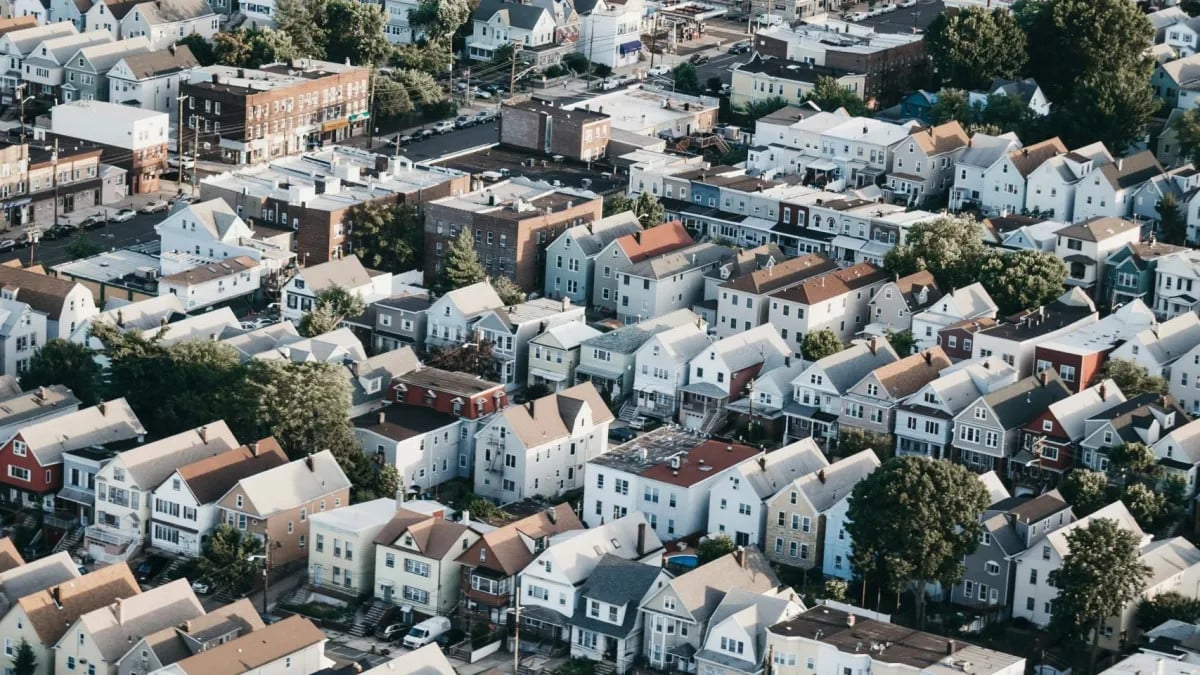
That figure is striking. It means that even households earning what many would consider a solid middle-class income are effectively priced out of most of the for-sale housing market. And this isn’t limited to coastal “luxury” cities — it’s happening across much of the country.
Even as mortgage rates pull back slightly from recent highs, the combination of elevated prices, property taxes, insurance costs, and everyday expenses continues to push ownership out of reach for many would-be buyers.
Why Small Improvements Aren’t Enough
Housing forecasts for 2026 suggest incremental improvement:
- Mortgage rates are expected to ease modestly
- Inventory is slowly increasing
- Price growth is cooling compared to the post-pandemic surge
But these changes, while welcome, don’t fundamentally fix the affordability gap.
The problem isn’t just rates — it’s the structural imbalance between supply and demand. For years, the U.S. has underbuilt housing relative to population growth and household formation. That shortage didn’t disappear when rates went up; it simply froze activity and kept prices stubbornly high.
As a result, even when rates dip, prices often remain elevated — meaning monthly payments stay out of reach for many buyers, per AP News.
High-Cost Metro Areas Feel It the Most
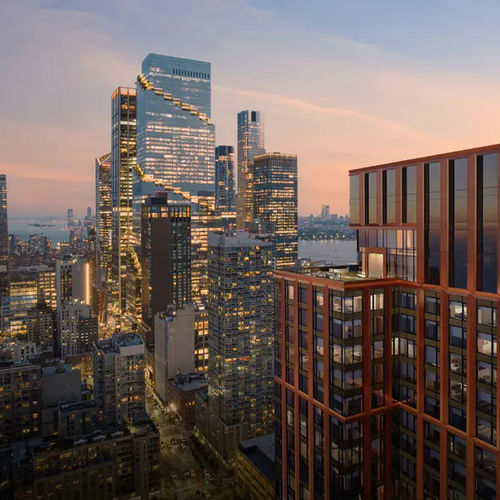
In expensive urban markets, affordability pressures are even more pronounced.
Metro areas like Jersey City, Boston, New York, and parts of California face a double squeeze:
- Strong demand driven by jobs, transit access, and amenities
- Limited land and zoning constraints that restrict new supply
In these markets, even “starter homes” or entry-level condos often come with price tags far beyond what median-income households can reasonably afford. Renters hoping to transition into ownership frequently find themselves stuck — paying high rents while struggling to save for down payments.
According to housing analysts, this dynamic is contributing to delayed homeownership, longer rental tenures, and increased competition for the limited number of homes priced below the median, per AP News.
What This Means for Buyers
For buyers, especially first-time and middle-income households, the message is mixed:
- Opportunities may improve slightly as inventory rises and competition cools
- Negotiating power could increase in certain markets or price brackets
- Affordability, however, remains the core obstacle, not just timing or strategy
Many buyers will need to explore alternatives — smaller homes, different neighborhoods, condos instead of single-family homes, or longer timelines — to make ownership work.
Implications for Realtors and Real Estate Professionals
For agents and brokers, today’s affordability reality changes how business gets done:
- Education matters more than ever: Buyers need clear guidance on financing options, assistance programs, and realistic price expectations.
- First-time buyer programs are increasingly relevant: Down-payment assistance, local grants, and state-backed programs can be the difference between renting and owning.
- Market knowledge becomes a competitive advantage: Understanding where affordability pockets still exist — and where prices are softening — is critical.
Realtors who can guide clients through affordability challenges with honesty and creativity will likely stand out as markets gradually normalize.
Why Supply Is the Long-Term Solution
Most housing experts agree on one core issue: without more housing supply, affordability will remain strained.
That means:
- More entry-level and “missing middle” housing
- More multifamily development in transit-friendly areas
- More adaptive reuse of underutilized commercial and industrial properties
Policies that encourage building — while balancing community concerns — are increasingly seen as essential to restoring long-term affordability, per AP News.
Key Takeaway
While the housing market may be stabilizing heading into 2026, affordability remains the defining challenge. With more than three-quarters of homes out of reach for median-income households, the path to ownership is still narrow for many Americans, per the New York Post.
Incremental improvements in rates and inventory may help at the margins — but meaningful affordability gains will likely depend on sustained increases in housing supply, targeted buyer assistance, and thoughtful local policy decisions.
Until then, buyers, sellers, and real estate professionals alike will continue navigating a market where demand remains strong — but access remains limited.
Check out this article next