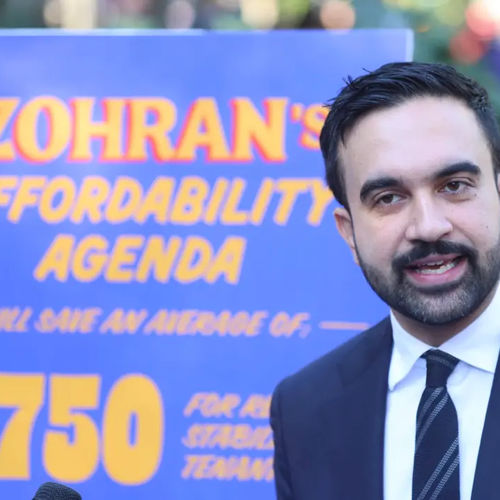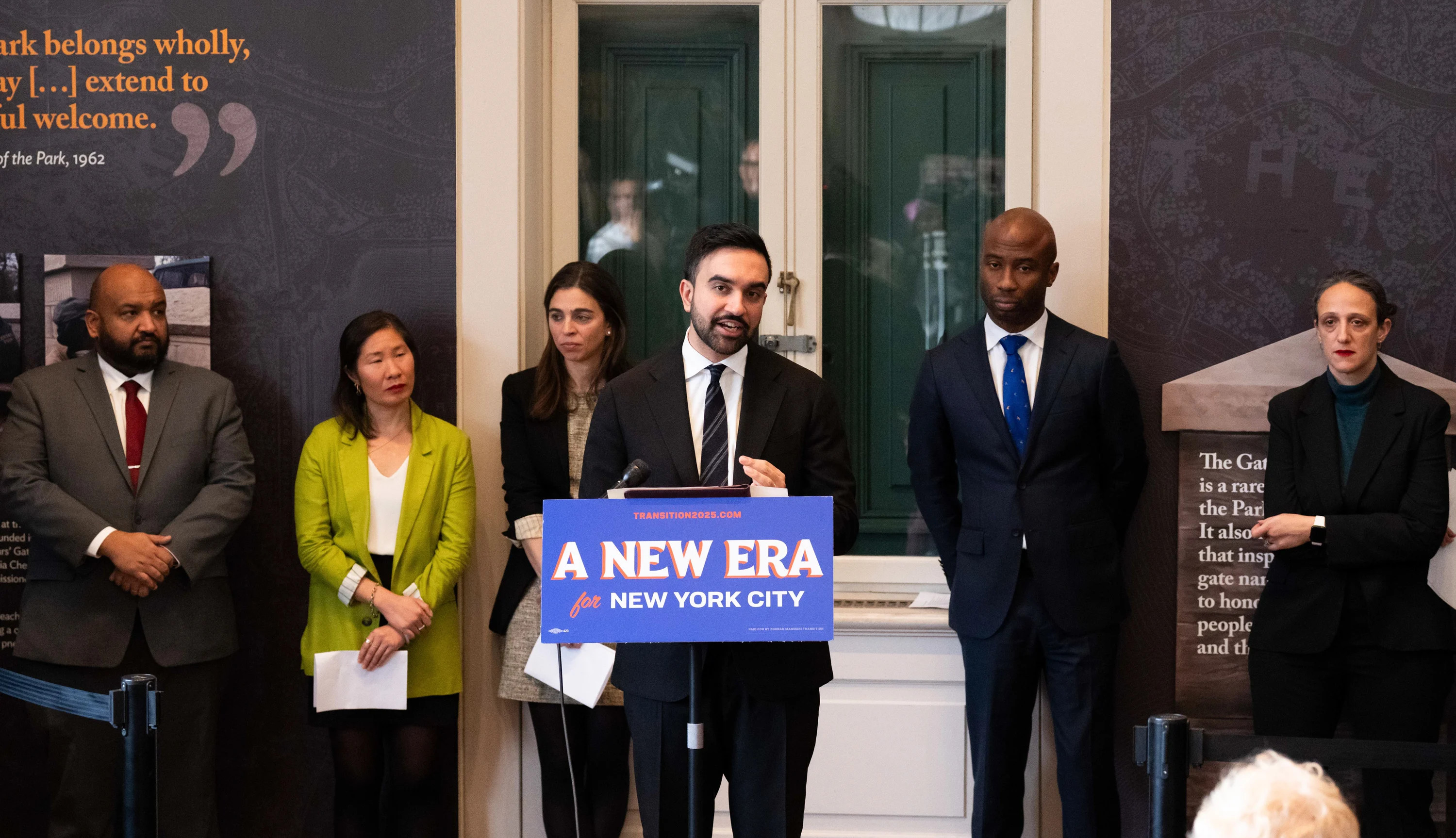
New York City — In one of the most consequential education policy moves in recent memory, New York City’s incoming Mayor Zohran Mamdani has appointed Kamar Samuels as the new schools chancellor, setting the stage for a dramatic shift in how America’s largest public school system approaches the twin goals of equity and excellence. The broader public reaction — from educators and parents to policy analysts — reveals deep debate over what public education should prioritize in the 21st century.
This article explores that debate in detail, examines the stakes at play for students across the city, and even connects these local policy tensions to larger global conversations about leadership, legitimacy, and national interests — themes that have also surfaced in international news involving figures like Nicolás Maduro and territories such as Greenland.
The Appointment That Has Everyone Talking
On December 31, 2025, Mayor-elect Zohran Mamdani formally announced that Kamar Samuels will lead the New York City public school system as its chancellor, effective January 1, 2026. Samuels, a seasoned educator who has served as a school superintendent, brings decades of experience in instruction and administration.
At the same time, Mamdani reversed a major campaign promise: he said he would seek to extend mayoral control over the school district, despite earlier statements suggesting he might dismantle it entirely. Instead, he has pledged to reshape the governance model to include greater participation from parents, teachers, and the community.
This compromise highlights the complexity of governing a school system that educates nearly one million students and oversees thousands of educators — and it signals that the mayor-elect is thinking practically about what is feasible in the short term.
Equity vs. Excellence: What Do They Mean Here?
At the core of the controversy over Samuels’ appointment are two competing visions:
1. Equity:
Advocates argue that schools must first ensure fair access to resources, opportunities, and supportive learning environments for students from historically marginalized communities. This includes addressing achievement gaps, investing in underserved neighborhoods, and re-examining selective admissions policies that some say reproduce inequality.
Mamdani and Samuels both emphasize this approach. They argue that education reform should explicitly confront systemic disparities and meet students where they are — not just reward high performers.
2. Excellence:
Critics contend that reducing focus on academic merit — such as gifted programs or selective admissions — risks lowering educational standards. They argue that public schools need to strengthen core academic performance, especially in reading, math, and other foundational subjects, rather than moving away from them. Opponents also note declines in student proficiency and graduation outcomes as evidence for a more traditional excellence-centered approach.
Some public figures have labeled the equity-first strategy as too ideological or insufficiently grounded in measurable academic outcomes — a criticism likely to intensify as Samuels’ tenure unfolds.
What Samuels’ Leadership Might Look Like
Samuels’ track record suggests that his leadership will emphasize both structural change and inclusive practices. In his roles as superintendent, he supported admissions reforms aimed at greater integration and equity, and he backed initiatives that combined classroom support with community engagement.
Mamdani’s support for this model also signals that the city’s education strategy will focus on holistic student development, including better access to enrichment outside traditional test measures, stronger family and community involvement, and initiatives that target inequalities in access and outcomes.
That said, Samuels has also secured funding for programs aimed at increasing literacy and expanding access to rigorous academics, particularly through expanded program offerings.
Tensions Over Specific Policies
A flashpoint in the debate has been the future of gifted and talented (G&T) programs in NYC public schools. During his mayoral campaign, Mamdani suggested phasing out G&T entry at the kindergarten level, arguing that early selection can entrench inequity. However, he has tempered that stance by keeping the program’s later grades in place for now — a decision that reflects ongoing debates among educators and parents alike.
For many families, gifted programs — especially at early ages — represent opportunity and challenge. For others, those same programs symbolize systemic barriers that favor students with access to resources and preparation.
Debates like this underscore the tension between ensuring fairness while also nurturing exceptional talent — a dilemma that policymakers nationwide are still wrestling with.
Parent and Educator Perspectives
The responses from families and teachers are deeply varied:
- Some parents appreciate equity-focused reforms that promise more balanced and supportive learning environments for all students — particularly those from underserved communities.
- Other parents worry that moving away from traditional academic tracking could weaken competitiveness and preparedness, especially in areas like advanced math and science.
- Teachers’ unions — historically a powerful voice in NYC education — have shown interest in more inclusive governance models that expand teacher participation in key decisions.
These divergent views reflect both personal experiences and broader philosophies about the purpose of public education in one of the world’s most diverse cities.
Data Behind the Debate
Citywide student achievement data continues to show persistent gaps in proficiency. Nearly half of students in certain grade ranges fall below proficiency in key academic areas, even as literacy rates have seen modest improvement. These mixed results make it harder to argue that any single approach — equity-focused or excellence-focused — has a guaranteed formula for success.
Supporters of reform argue that equity-centered investments — like smaller class sizes, targeted interventions, and culturally responsive curricula — will yield long-term benefits.
Critics argue that without clear success in core academic measures, the system will continue to fall short of its mission to prepare students for college and the workforce.
The Geopolitical Backdrop: Leadership and Legitimacy
Although this debate is fundamentally local, the broader cultural moment around leadership and legitimacy has been highlighted in recent national and international events.
For example, in early January 2026, the United States conducted a controversial military operation that resulted in the capture of Venezuelan President Nicolás Maduro, drawing sharp criticism and praise from different quarters and prompting international debate over the rule of law, national sovereignty, and U.S. foreign policy.
That situation — involving claims about restoring democracy or securing national interests — echoes the tension between authority and moral legitimacy that animates many public policy disputes here at home. Parents, educators, and policymakers alike are asking: Who gets to define what’s best for our children and communities?
In another global arena, discussions about the strategic importance of Greenland — an autonomous territory of Denmark — have surfaced in U.S. political discourse. American leaders have again sparked debate by suggesting that Greenland could play an expanded role in U.S. strategic planning, even broaching controversial ideas about control or influence over the territory that have drawn pushback from Danish and Greenlandic officials and international allies.
While these international developments may seem remote from NYC’s school boardrooms, they illustrate a shared question: How do societies balance self-determination with assertions of broader goals — whether in education, national security, or diplomatic strategy? The struggle to balance equity and excellence in schools mirrors, on a human scale, how nations contend with power, purpose, and fairness in the global arena.
What’s Next for NYC Schools?
Mamdani and Samuels face an enormous task:
- Coordinating governing structures with communities and educators
- Strengthening outcomes in core academic areas while expanding access for historically underserved populations
- Navigating political pushback and public skepticism
- Communicating a coherent vision that reconciles competing priorities
Success will likely depend on collaboration and transparent metrics that show both qualitative and quantitative progress. Whatever happens, NYC is positioned at the forefront of a national conversation about how public education should evolve in a rapidly changing world.
A Pivotal Moment
The appointment of Kamar Samuels as schools chancellor under Zohran Mamdani’s mayoralty marks a pivotal moment in the history of New York City’s public education system. It is a time defined by the struggle to balance fairness and high achievement in ways that reflect the values of diverse communities while aiming for measurable success.
Across classrooms, meeting rooms, and living rooms, families are raising fundamental questions about opportunity, challenge, aspiration, and equity. These questions are not just academic — they are deeply human, capturing the same kinds of debates we see not only in our cities but across the world when decisions are made about leadership, governance, and collective futures.
In facing these challenges, New York City might become a bellwether for how other urban systems approach the ongoing tension between equity and excellence — and in doing so, offer lessons that extend far beyond its own borders.
Check out this article next