



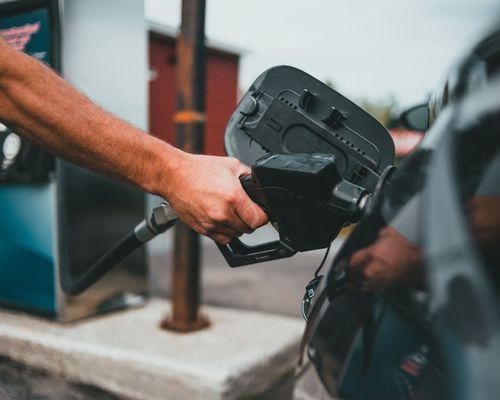
Americans are once again paying more than $4 per gallon for gasoline as renewed fighting involving Iran drives oil prices higher and tightens global fuel supplies. The latest surge comes after weeks of declining prices, reminding consumers how quickly geopolitical events can ripple through the U.S. economy. Analysts say higher crude oil prices, refinery constraints, and concerns over shipping through key Middle East trade routes are all contributing to the jump in fuel costs.
While the increase may seem like a transportation story, its effects extend far beyond the gas pump.
Why It Matters in Real Estate
Higher fuel prices typically translate into higher costs across nearly every part of the housing industry. Builders pay more to transport construction materials, contractors face rising operating expenses, and delivery costs increase for everything from lumber to appliances. Those additional costs often work their way into the price of new homes.
For existing homeowners, rising gasoline prices also reduce disposable income. When families spend more filling up their vehicles, they have less money available for down payments, home improvements, or monthly mortgage payments. That can soften buyer demand, especially among first-time homebuyers already struggling with affordability.
Energy-driven inflation is another concern. If higher oil prices keep inflation elevated, the Federal Reserve could remain cautious about lowering interest rates. That would likely keep mortgage rates higher for longer, making financing more expensive for prospective buyers. Economists are increasingly warning that renewed energy inflation could complicate the outlook for both consumers and policymakers.
For now, the housing market isn't being driven by gasoline prices alone, but they have become another factor adding pressure to affordability. As long as tensions in the Middle East continue to threaten global energy supplies, homebuyers, sellers, and real estate professionals should expect ongoing volatility that could influence mortgage rates, construction costs, and consumer confidence in the months ahead.
Discussion
Thoughts from readers and local market watchers.