



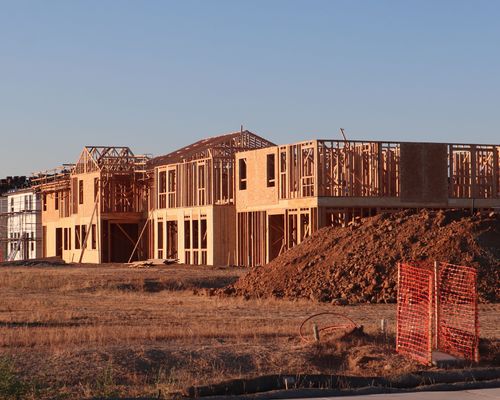
America's housing market is entering the second half of 2026 with a familiar challenge: elevated borrowing costs are continuing to slow residential construction despite the country's long-term need for more housing.
New data from the U.S. Commerce Department showed that overall U.S. construction spending declined 0.1% in June, surprising economists who had expected a modest increase. Compared with a year earlier, total construction spending was down 3.2%, highlighting the growing impact that higher financing costs are having across the industry.
The weakness was concentrated in residential construction.
Private residential construction spending fell 0.3% during the month, while single-family homebuilding declined 0.6% and multifamily construction slipped 0.7%. The latest figures suggest builders remain cautious as elevated mortgage rates continue reducing affordability and limiting the pool of qualified buyers.
The slowdown comes as mortgage rates remain near their highest levels in more than a year, significantly increasing monthly payments for prospective homeowners. Although the United States continues to face a structural housing shortage, builders are becoming more selective about launching new developments as higher financing costs reduce demand and increase the financial risks associated with new projects.
The latest report also reinforces a broader trend that has developed throughout the year.
Residential investment returned to modest growth during the second quarter after contracting for five consecutive quarters, but the June figures indicate that recovery remains fragile. Builders continue facing elevated borrowing costs, higher labor expenses, and cautious consumer demand, limiting the pace of new construction despite improving housing inventory in many markets.
Not every segment of the construction industry weakened.
Public construction spending was essentially unchanged during June as state, local, and federal government projects remained relatively stable. Infrastructure investments continue providing support for the broader construction sector, helping offset part of the slowdown occurring in residential development.
For housing economists, the report underscores an important distinction.
The slowdown does not reflect a lack of long-term demand for housing. Instead, it reflects an affordability problem. Millions of households continue seeking homeownership, but mortgage rates above 6.5% have substantially reduced purchasing power, making it more difficult for buyers to qualify for loans and for builders to maintain strong sales volumes.
Looking ahead, much of the housing market's trajectory will depend on financing conditions. If mortgage rates remain elevated through the remainder of the year, builders are expected to continue limiting new projects while relying on incentives such as mortgage-rate buydowns and price concessions to attract buyers. Conversely, any sustained decline in borrowing costs could help revive residential investment and encourage additional homebuilding.
For now, June's construction report suggests the housing market remains constrained by affordability rather than demand. Until financing costs ease meaningfully, residential construction is likely to remain one of the weakest components of the broader U.S. economy, even as the long-term need for additional housing continues to grow.
Discussion
Thoughts from readers and local market watchers.