



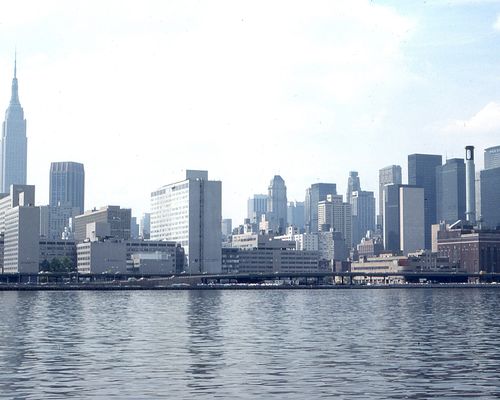
Manhattan's rental market has reached another record high, with asking rents surging as a severe shortage of available apartments continues to put pressure on renters across the borough.
The average asking rent in Manhattan climbed to $6,655 per month, a 10% increase from a year earlier, according to the latest market data. The median asking rent also reached a record $5,295, highlighting the continued escalation in housing costs even as New York City grapples with affordability concerns and new housing policies.
The increase is being felt across nearly every segment of the rental market. Average rents have reached $4,088 for studios, $5,486 for one-bedroom apartments, and $8,054 for two-bedroom units. Three-bedroom apartments have climbed even higher, averaging $12,228 per month.
The numbers underscore just how competitive Manhattan's rental market has become. The borough's rental vacancy rate has fallen to 1.49%, its lowest level since 1968, leaving renters with fewer available apartments and increasing competition for units that do come onto the market.
That shortage is particularly significant because New York City is simultaneously attempting to address affordability through expanded tenant protections and rent regulation.
The city's rent-stabilized housing system covers a large portion of the rental market, while Mayor Zohran Mamdani's administration has pushed policies designed to limit rent increases for regulated tenants. The latest market figures, however, show that the pressure is increasingly being felt in the city's market-rate rental sector.
Real estate professionals have warned that the combination of limited supply and restrictions on regulated rents could create unintended consequences. If owners face rising operating expenses while having limited ability to increase rents on stabilized apartments, some may choose not to return vacant units to the rental market or may seek higher rents elsewhere in their portfolios.
The result can be a wider divide between regulated and market-rate housing.
For renters searching for apartments outside the rent-stabilized system, the competition is becoming particularly intense. With fewer units available, landlords have greater leverage when setting asking rents, while prospective tenants may have to move quickly when reasonably priced apartments appear.
The situation also presents a challenge for policymakers.
New York has spent years attempting to balance tenant protections with the financial realities faced by property owners. Landlords continue to deal with rising insurance, maintenance, labor, taxes, and financing costs, while renters are confronting some of the highest housing expenses in the country.
The latest Manhattan rental figures suggest that housing supply remains the central issue.
Even with policy efforts aimed at protecting existing tenants, the city needs substantially more apartments to relieve pressure on the broader market. Increasing construction, converting underused office buildings, preserving existing housing, and bringing vacant apartments back into use are all potential pieces of a larger strategy.
For real estate professionals, the record rents also highlight the importance of understanding the difference between headline rental prices and the underlying supply conditions driving them.
A 1.49% vacancy rate leaves very little room for renters to negotiate, particularly in neighborhoods where demand remains strong. It also creates favorable conditions for landlords with well-located market-rate properties, although rising operating expenses can offset some of those gains.
The record comes at an important moment for New York's housing market. The city is trying to expand affordability while simultaneously navigating policies affecting landlords, luxury property owners, and developers.
The latest data suggests that those efforts have not yet resolved the fundamental imbalance between housing demand and available supply.
For renters, that means Manhattan remains an exceptionally expensive and competitive market. For landlords and investors, the numbers demonstrate the strength of rental demand but also highlight the growing political and regulatory pressures surrounding the city's housing system.
Until New York can significantly expand its housing supply, record rents and extremely low vacancy rates are likely to remain defining features of the Manhattan rental market.
Discussion
Thoughts from readers and local market watchers.