



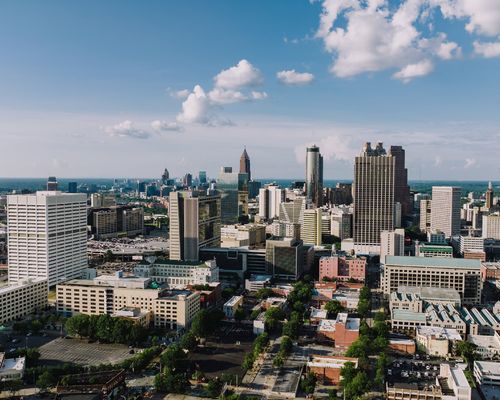
Metro Atlanta continues to attract new residents, businesses, and investment, but the region's rapid population growth is beginning to moderate. New estimates from the Atlanta Regional Commission (ARC) show that the 11-county Atlanta region added 53,690 residents between April 2025 and April 2026, bringing its population to approximately 5.34 million.
The region grew by about 1% over the past year, down from 1.2% growth the previous year, when Metro Atlanta added approximately 64,400 residents. The slowdown does not mean Atlanta is losing its appeal. Instead, it reflects a combination of housing affordability challenges, limited construction and slower job growth that could make it harder for the region to accommodate residents at the pace seen in previous decades.
Housing construction is one of the biggest concerns. Metro Atlanta issued 24,015 residential building permits in 2025, representing an 18.5% decline from the previous year. That figure is also well below the region's long-term average of roughly 33,150 permits annually. With population continuing to increase while construction remains below historical levels, housing supply could remain a major issue for buyers and renters.
The city of Atlanta itself continues to grow at a faster pace than the broader region. The city's population reached approximately 549,615, after adding nearly 7,000 residents during the latest year. Atlanta has gained more than 51,000 residents since the pandemic, with significant growth occurring around Midtown, the Atlanta BeltLine and other areas benefiting from new multifamily and mixed-use development.
Population growth also remains strong in several suburban markets. Fulton County grew 1.9%, while Forsyth County increased 1.5% and Henry County grew 1.3%. Cherokee and Gwinnett counties each grew about 1.1%, and all 11 counties tracked by ARC added residents during the latest reporting period.
For real estate professionals, the numbers point to a market that is still expanding but becoming increasingly dependent on where housing can actually be built. Developers are facing higher construction costs and affordability pressures, while buyers are looking for communities where homes remain within reach of their budgets.
The trend could also reshape demand across the metro area. As housing costs remain elevated in popular urban neighborhoods, more buyers may continue looking toward suburban communities where they can find additional space and relatively lower prices. Meanwhile, continued investment along the BeltLine, Midtown and other urban centers could support demand for apartments and higher-density housing.
Atlanta's population growth may no longer be accelerating at the pace seen in previous decades, but the region remains a major growth market. Adding more than 53,000 residents in a single year while issuing substantially fewer residential permits than its historical average underscores the central challenge facing the market: Georgia continues to attract people, but the housing supply needs to keep pace with them.
For agents, brokers, developers and investors, monitoring population growth alongside new construction and local development activity will be critical. The communities that successfully add housing, infrastructure and employment opportunities could become some of the strongest real estate markets across Metro Atlanta in the years ahead.

Discussion
Thoughts from readers and local market watchers.