



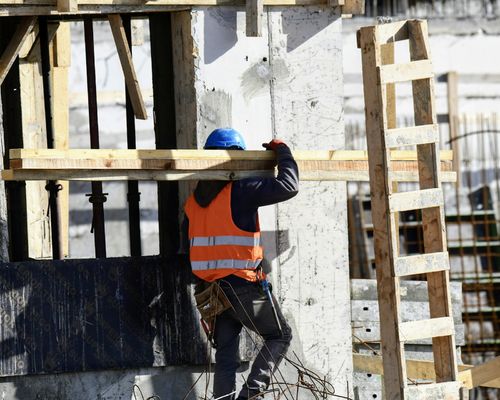
Confidence among U.S. homebuilders has fallen to its lowest level in a year as elevated mortgage rates, rising construction costs and weak buyer demand continue to weigh on the new-home market.
The NAHB/Wells Fargo Housing Market Index dropped three points to 32 in September, marking its lowest reading since September 2025. The decline reflects growing concern among builders that high borrowing costs are keeping prospective buyers on the sidelines.
The September reading also keeps builder sentiment well below the level generally associated with healthy housing conditions. The index has now remained below 40 for an extended period, highlighting how difficult the environment has become for builders trying to attract buyers while managing higher development costs.
Mortgage rates remain one of the biggest obstacles.
With the average 30-year mortgage rate recently moving above 7%, potential buyers are facing significantly higher monthly payments. That has made affordability more challenging even as builders and sellers offer incentives designed to reduce the upfront cost of purchasing a home.
Builders Are Cutting Prices
The pressure is increasingly showing up in builder pricing.
Thirty-eight percent of builders reported cutting home prices in September, up from 37% in August. The average price reduction remained around 6%, while 64% of builders were offering some form of sales incentive to attract buyers.
These incentives can include mortgage-rate buydowns, closing-cost assistance and upgrades. For builders, the goal is to make monthly payments more manageable without relying entirely on large reductions to the advertised price.
But the need for those incentives shows just how sensitive today's housing market remains to financing costs.
Buyer Traffic Remains Weak
The NAHB index also showed continued weakness in buyer traffic. The prospective buyer traffic component fell two points to 21, while the current sales component declined four points to 34. Expectations for future sales also weakened.
That combination creates a difficult environment for builders. Construction projects require significant upfront investment, but builders cannot easily increase sales when buyers are constrained by high monthly payments.
At the same time, construction costs remain elevated. Builders continue to deal with expensive materials, labor shortages and other development expenses, making it harder to lower prices substantially without putting pressure on profit margins.
The result is a growing reliance on incentives to bridge the gap between what homes cost to build and what buyers can afford.
Regional Differences Remain
The national numbers also hide significant differences across the country.
Builder sentiment remained stronger in the Northeast and Midwest, while conditions were considerably weaker in the South and West. Markets with greater housing supply and slower price growth are generally facing more pressure to compete for buyers.
That regional divide is becoming increasingly important as the national housing market moves toward a more balanced supply-demand environment.
For buyers, the weakness in builder confidence could create opportunities, particularly for those willing to compare new construction with existing homes. Builders offering rate buydowns and other concessions can sometimes make a new home more affordable than its headline price suggests.
For builders, however, the September data is another warning that the high-rate environment is not disappearing quickly.
The new-home market is being squeezed from both sides: buyers are struggling with affordability while builders are dealing with rising costs and weaker demand.
Until mortgage rates move lower or household purchasing power improves, builders may have to continue relying on price reductions and incentives to keep sales moving.
The September confidence reading shows that the housing slowdown is no longer just a problem for buyers. It is increasingly becoming a problem for the companies building America's homes.

Discussion
Thoughts from readers and local market watchers.