



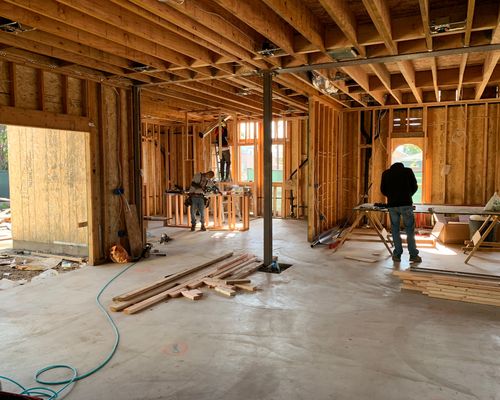
The U.S. housing market is facing another setback as single-family home construction fell sharply in July, reaching its lowest level in more than three and a half years as elevated mortgage rates and affordability pressures continue to discourage both builders and buyers.
According to new Commerce Department data, single-family housing starts dropped 9.9% in July to a seasonally adjusted annual rate of 808,000 homes, the lowest level since November 2022. Compared with a year earlier, single-family construction was down 15.7%, showing just how much momentum has been lost in the new-home market.
The decline is particularly concerning because single-family construction represents the largest portion of U.S. homebuilding. While the country continues to face a long-term shortage of housing, builders are becoming increasingly cautious about starting new projects because they are struggling to find enough buyers who can afford today's mortgage payments.
Mortgage rates remain one of the biggest obstacles. The average contract rate on a 30-year fixed mortgage was around 6.77% during the latest reporting period, close to its highest level in more than a year. At those rates, even households that qualify for a mortgage can face significantly higher monthly payments than buyers would have faced several years ago.
The weakness also extended beyond single-family construction. Total housing starts fell 12.4% in July to an annual rate of 1.239 million units, well below economists' expectations of approximately 1.35 million. The decline included both single-family and multifamily construction, pointing to broader weakness across residential development.
There is one encouraging sign in the latest report: single-family building permits increased 2.5% in July to an annualized rate of 894,000. Permits are closely watched because they provide an indication of future construction activity. However, even after the increase, permits remained near a three-year low, suggesting builders are still taking a cautious approach to new development.
The construction slowdown is happening alongside weak buyer demand. Pending contracts for existing homes fell 2.3% in July, reaching their lowest level since January. That means the weakness in housing is not limited to new construction; buyers are also pulling back from the existing-home market as high borrowing costs continue to restrict affordability.
Builders are responding by offering more incentives to keep homes moving. The latest NAHB/Wells Fargo Housing Market Index showed builder confidence increased slightly to 35 in August, but that remains firmly below the 50 level that indicates more builders view market conditions as positive than negative. Builder sentiment has now remained below 40 for 16 consecutive months, the longest such stretch since 2012.
The incentives are becoming an increasingly important part of the new-home market. About 63% of builders were offering sales incentives in August, while 35% reported cutting prices, with the average price reduction holding at approximately 6%. Builders continue using mortgage-rate buydowns and other concessions to make new homes more affordable without making large headline price reductions.
Rising construction costs are making the situation even more difficult. Higher fuel prices are increasing transportation and material expenses, while land, labor and financing costs remain elevated. NAHB Chairman Bill Owens said rising gasoline and diesel prices are pushing up material costs while prospective buyers remain on the sidelines.
For the housing market, the latest construction numbers highlight a difficult contradiction. The United States still needs more homes, but builders are slowing production because many households cannot afford the homes currently being built.
That could create a longer-term supply problem if the slowdown continues. Fewer housing starts today could mean fewer homes available several months or years from now, potentially putting renewed upward pressure on prices once demand strengthens.
For now, however, builders appear more focused on managing current inventory than aggressively expanding production. Until mortgage rates fall enough to improve purchasing power, new-home construction is likely to remain under pressure.
The July data therefore sends a clear message: America's housing shortage remains, but high financing costs are making it increasingly difficult for builders to add the homes the market needs.
Discussion
Thoughts from readers and local market watchers.