



Australia and the United States are strengthening their military cooperation as China's influence across the Pacific continues to expand.
The two countries plan to increase the U.S. military presence in Australia while expanding arrangements for logistics, aircraft deployments and joint operations. The moves are part of broader efforts to strengthen the U.S.-Australia alliance and improve their ability to respond to security developments in the Indo-Pacific.
Australia and the United States also announced $580 million in combined funding for Pacific Island nations. The funding will support development and infrastructure projects while strengthening ties with countries that have become increasingly important in the competition between Washington and Beijing.
China has expanded its economic and diplomatic relationships across the Pacific in recent years, including through infrastructure investment and development programs. The growing Chinese presence has raised concerns in Australia and the United States about Beijing's potential long-term strategic influence in the region.
Expanding Military Cooperation
Australia is already one of the United States' closest military partners in the Indo-Pacific. The two countries regularly conduct military exercises and share intelligence and defense capabilities.
The planned expansion of the U.S. military presence in Australia is expected to improve logistics and allow American forces to deploy aircraft and other military assets more efficiently.
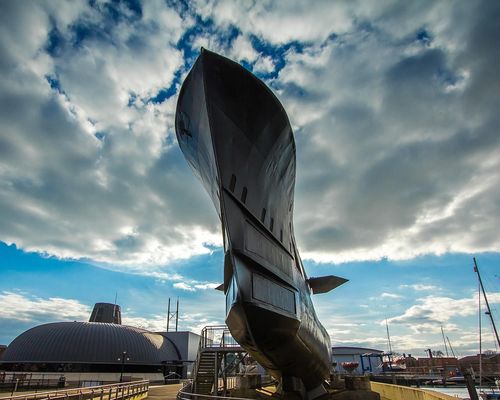
The partnership also includes AUKUS, the security agreement between Australia, the United States and the United Kingdom. The program includes Australia's planned acquisition of nuclear-powered submarines as well as cooperation on advanced defense technologies.
The stronger military relationship comes as China continues to expand its military capabilities and activity throughout the Indo-Pacific.
Pacific Development Becomes Part of the Strategy
The new funding for Pacific Island nations shows that the competition is not limited to defense.
Pacific countries need investment in transportation, energy, telecommunications and other infrastructure. Australia and the United States are seeking to provide additional support while strengthening their relationships with governments across the region.
China has also used infrastructure and development assistance to build stronger ties with Pacific nations. For Washington and Canberra, offering alternative sources of investment is increasingly viewed as an important part of maintaining regional influence.
Pacific governments, however, have generally sought to work with multiple partners rather than choosing between China and Western countries. Many have emphasized that issues such as economic development, climate change and infrastructure remain their primary concerns.
A Broader Indo-Pacific Competition
The latest agreements highlight Australia's growing role in the United States' Indo-Pacific strategy.
For Washington, Australia provides a strategically important location for military operations and a reliable regional ally. For Canberra, closer cooperation with the United States strengthens its security position as China's influence grows.
The relationship also has economic implications. Increased defense spending and infrastructure investment could create additional demand for construction, engineering, transportation and technology projects in Australia and the Pacific.
The $580 million development commitment is particularly significant because it combines economic assistance with a broader effort to strengthen regional partnerships.
China is expected to remain a major economic and diplomatic force in the Pacific. As a result, competition for influence is likely to continue through military cooperation, infrastructure investment, trade and development assistance.
For Australia and the United States, the latest agreements represent another step toward building a stronger Pacific alliance at a time when the region is becoming increasingly important to the global balance of power.
Discussion
Thoughts from readers and local market watchers.