



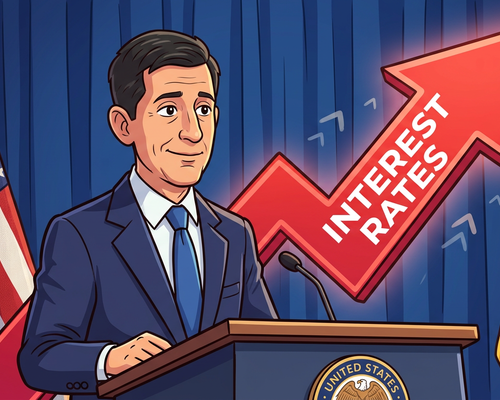
The Federal Reserve has raised interest rates for the first time in more than three years, adding another challenge for a U.S. housing market already struggling with elevated mortgage rates and affordability concerns.
The Fed increased its benchmark federal funds rate by 0.25 percentage point to a range of 3.75% to 4% on September 16. It was the first rate increase since 2023 and came as inflation remained above the central bank's 2% target. The decision was unanimous.
For the housing market, the timing is significant. Mortgage rates were already above 7% before the Fed's decision, and higher Treasury yields have been adding pressure to borrowing costs. The 10-year Treasury yield recently moved above 5%, a key benchmark that influences mortgage rates.
However, the Fed's quarter-point increase does not automatically mean mortgage rates will rise by another quarter point. Mortgage rates respond more directly to longer-term Treasury yields and investor expectations about inflation and future monetary policy. Because the rate hike was widely anticipated, some of its impact was already reflected in financial markets.
Housing Faces Another Affordability Challenge
The bigger concern for housing is what happens next.
Higher borrowing costs can reduce the amount buyers are able to spend, potentially weakening demand at a time when more homes are coming onto the market. Recent housing data has already shown buyers gaining more negotiating power as inventory expands and sales activity slows.
The latest mortgage data also shows borrowers adjusting to the environment. Mortgage applications recently fell 2.7%, while the share of applications for adjustable-rate mortgages climbed to 8.5%, the highest level since June.
Builders are feeling the pressure as well. Higher financing costs can make it harder for buyers to qualify, forcing builders to rely more heavily on incentives such as mortgage-rate buydowns and price reductions.
More Rate Pressure Could Be Ahead
The Fed's latest projections suggest the September increase may not be the last move this year. Policymakers indicated that another increase could be possible as they continue trying to bring inflation back toward the 2% target.
That creates a difficult backdrop for the housing market.
Buyers are facing higher monthly payments, builders are dealing with weaker demand, and sellers may have to offer greater concessions to close deals.
At the same time, the expanding supply of homes is creating opportunities for buyers who can afford today's financing costs. More inventory and increased negotiating power could help offset some of the pressure from higher rates, but they cannot completely solve the affordability problem.
For the housing market, the Fed's latest decision reinforces an increasingly important reality: borrowing costs may remain elevated for longer, making the path to a meaningful housing recovery more difficult.
The next few months will depend heavily on whether inflation begins to cool enough for the Fed to stop tightening—or whether continued price pressures force policymakers to raise rates again.

Discussion
Thoughts from readers and local market watchers.