



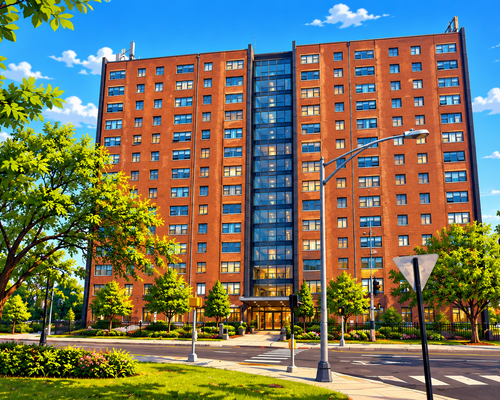
About 150 residents of Franklin Towers in Portland, Maine, are preparing to leave their homes after environmental testing identified hazardous chemicals in parts of the aging apartment building, its surrounding soil, and the air. The relocation will clear the way for a major renovation of the 16-story property, but it also raises difficult questions about how the city will accommodate older adults and people with disabilities who depend on affordable housing.
The Portland Housing Authority, which operates the 200-unit subsidized development, initially planned to renovate Franklin Towers in phases, allowing residents to move between floors as construction progressed. That approach changed after testing identified polychlorinated biphenyls, commonly known as PCBs, in certain areas. The authority determined that completing the extensive renovation with the building occupied would be impractical, leading to a plan to relocate all residents while the work takes place.
Franklin Towers was built in 1969 and has faced years of maintenance challenges. Residents have reported problems involving pests, plumbing, mold, asbestos, and building systems, while the discovery of PCBs has added another layer of complexity to the planned overhaul. The housing authority says it intends to address the affected areas and conduct follow-up testing after the work is completed.
The renovation is expected to cost approximately $50 million and take about two years. Planned improvements include new windows, upgraded heating and ventilation systems, improved energy efficiency, air conditioning in apartments, and updates to interiors and common areas. The goal is to modernize the property while preserving its role as a source of affordable housing in Portland.
Finding temporary homes for residents is one of the project's most immediate challenges. The housing authority is coordinating with other affordable housing providers and exploring placements at its own properties, other housing developments, and, if necessary, long-term hotel accommodations. Officials estimate that the relocation process could take six months or longer, depending on the availability of suitable housing and the individual needs of residents.
The authority has said it will cover moving expenses, maintain residents' housing subsidies, and ensure that tenants continue paying rent based on their income. Residents have also been told they will have the right to return to Franklin Towers after the renovations are completed. The agency is working with households individually to account for accessibility needs, medical appointments, support services, and other circumstances that could complicate a move.
For residents who have spent years in the building, however, the transition involves more than transporting furniture and belongings. Some rely on the building's central location, nearby medical services, and access to public transportation. Finding a temporary apartment that accommodates mobility limitations or keeps residents close to doctors and support networks could prove difficult in a region where affordable rental options are already limited.
The building's renovation also reflects the financial challenges involved in preserving older affordable housing. Franklin Towers was added to the National Register of Historic Places in 2024, opening access to historic tax credits that could offset as much as $14 million of the project's cost. Those credits could help make a substantial rehabilitation financially possible while allowing the building to remain part of Portland's affordable housing stock.
Residents received additional information at a meeting with the housing authority on October 15, with some telling local television station WMTW they felt more reassured after having their questions addressed. Even so, the relocation process will require continued coordination as households receive individual housing plans and the authority works to secure appropriate placements.
Franklin Towers' future highlights a difficult balance facing communities across Maine: preserving affordable homes while addressing environmental hazards and deteriorating infrastructure. The renovation could leave residents with a safer, more modern building, but its success will depend just as much on how carefully the housing authority manages the transition as on the construction work itself.
Discussion
Thoughts from readers and local market watchers.