



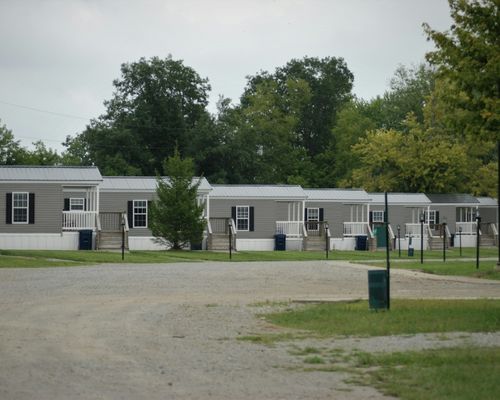
Maine voters sent a clear message about housing affordability during the November 3 elections, approving mobile home lot rent protections in eight communities across the state. The local ballot measures address a growing concern among residents who own their homes but rent the land underneath them, leaving them vulnerable to rising monthly costs and decisions made by park owners.
The measures passed in Augusta, Eliot, Farmington, Jay, Oakland, Standish, and Wells, where voters approved rent stabilization ordinances. Wiscasset voters also approved a separate 180-day moratorium on lot rent increases. Together, the results mean more than 1,700 families across 53 mobile home parks will receive some form of protection from future rent increases under the newly approved measures.
The issue has become increasingly important as investment companies and other out-of-state buyers acquire manufactured housing communities throughout Maine.
Unlike traditional homeowners, mobile home residents typically own the structures they live in but lease the land beneath them. That arrangement can make it difficult to leave when lot rents rise because moving a manufactured home can be expensive, complicated, or impractical. For residents who have spent years paying off their homes, a sudden increase in land rent can threaten the financial stability they worked to achieve.
For some residents, the increases have been substantial. In Wells, one homeowner reported that her monthly lot rent climbed from $325 to $625 over five years after a new company purchased the community. In Oakland, another resident said her monthly payment had reached $600 after increasing by more than $200 following an ownership change.
These expenses can become especially difficult for retirees and households living on fixed incomes, where even a relatively small monthly increase can affect the ability to cover groceries, utilities, and other necessities.
The newly approved ordinances do not all use identical rules. Most establish limits tied to inflation or a specified annual percentage, while some create local boards or review procedures that allow park owners to request larger increases under certain circumstances. Farmington's measure, for example, generally limits increases to 3% every 12 months, with larger adjustments subject to review by a proposed rent stabilization board. In Standish, voters approved the ordinance by 3,949 to 1,315, giving the town a clear mandate to establish an enforcement process.
The election results also reflect a broader debate over who should have control over housing costs in communities where affordable options are becoming harder to find. Mobile home parks have historically provided a relatively attainable path to homeownership for working families, retirees, and people priced out of conventional housing.
But when ownership of the land changes hands and lot rents rise, the affordability of those homes can quickly come into question.
Maine has already taken steps at the state level. A law that took effect in July limits mobile home park lot rent increases to once per year and requires 90 days' notice before an increase. However, state lawmakers stopped short of establishing a statewide rent cap, leaving municipalities to consider additional protections based on local conditions. With the latest election results, 16 Maine communities now have some form of mobile home lot rent stabilization measures, according to the Maine Labor Climate Council.
The new rules may also create questions for mobile home park owners and investors. Park operators have argued that limits on rent increases could make it more difficult to cover maintenance, infrastructure improvements, property taxes, and operating expenses. Some industry representatives have also raised concerns about the legality of local ordinances.
How the measures are implemented, enforced, and potentially challenged could become an important part of the next phase of this debate.
For Maine's real estate market, the election results highlight an important part of the housing shortage that often receives less attention: protecting existing affordable homes can be just as important as building new ones. While new apartment developments and housing construction remain necessary, communities can lose affordability when residents are priced out of homes they already own. This is particularly important in a state where rising property values, limited housing inventory, and higher living expenses have made it increasingly difficult for many households to find affordable places to live.
The next challenge will be making sure the newly approved protections work as intended. Towns will need to establish enforcement procedures, address disputes, and determine how requests for exceptions will be handled.
For residents, the goal is greater stability and the ability to remain in their communities. For Maine's broader housing market, these votes show that local housing policy is increasingly focused not only on expanding supply, but also on preserving the affordability of the homes already available.
Discussion
Thoughts from readers and local market watchers.