



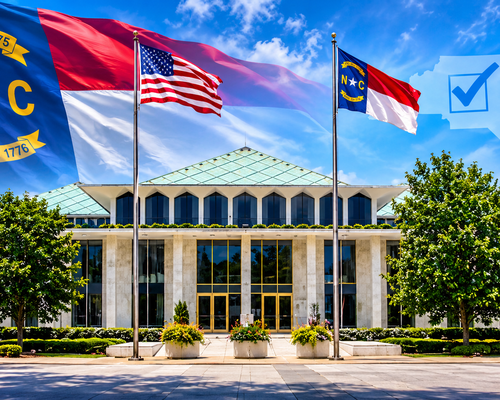
North Carolina is heading toward a major political shift following the November 3 midterm elections, with Democrats positioned to take control of the state House of Representatives for the first time since 2010.
Unofficial election results show Democrats leading in 71 of the chamber's 120 districts, compared with 48 Republican-led districts and one seat where an unaffiliated candidate is ahead. The projected results would end 16 years of Republican control of the House and reshape the political balance in Raleigh.
A Changing Balance in the General Assembly
Democrats also made gains in the state Senate, although Republicans are projected to retain control with a narrower 26–24 majority. The shift significantly reduces the Republican advantage in the legislature and could make negotiations over major legislation more complicated.
The change in House leadership could influence future discussions involving state budgets, education funding, infrastructure spending, housing policy, and local government authority. With different parties expected to control the two chambers, reaching agreement on major proposals may become more challenging.
What It Could Mean for Housing and Real Estate
Housing affordability, zoning regulations, property taxes, and infrastructure investment are among the issues that could receive attention under the new legislative balance.
For North Carolina's real estate industry, changes in legislative priorities could affect how communities approach residential development, affordable housing programs, land-use regulations, and local funding.
However, a change in party control does not automatically mean existing laws will be reversed. Any significant policy changes will depend on proposed legislation, negotiations between the chambers, and the governor's role in the legislative process.
What Happens Next?
The results remain unofficial as county election officials complete canvassing, outstanding ballot reviews, and other post-election procedures. County canvasses are scheduled for November 24, with close races potentially subject to recounts.
Republican lawmakers are also expected to return for a lame-duck legislative session before the new General Assembly takes office, creating an opportunity to address pending legislation under the existing balance of power.
North Carolina's 2026 midterm elections could mark a significant turning point in the state's legislative leadership. If the unofficial results hold, Democrats will regain control of the House after 16 years, while Republicans retain a narrow Senate majority.
For homeowners, developers, and real estate professionals, the next legislative session will be important to watch as lawmakers begin negotiating the state's priorities on housing, taxes, infrastructure, and economic development.
Discussion
Thoughts from readers and local market watchers.