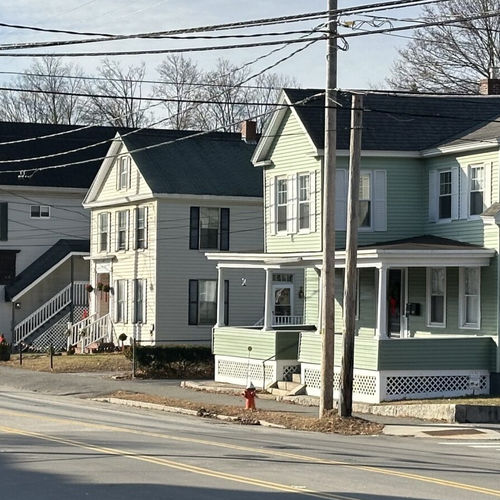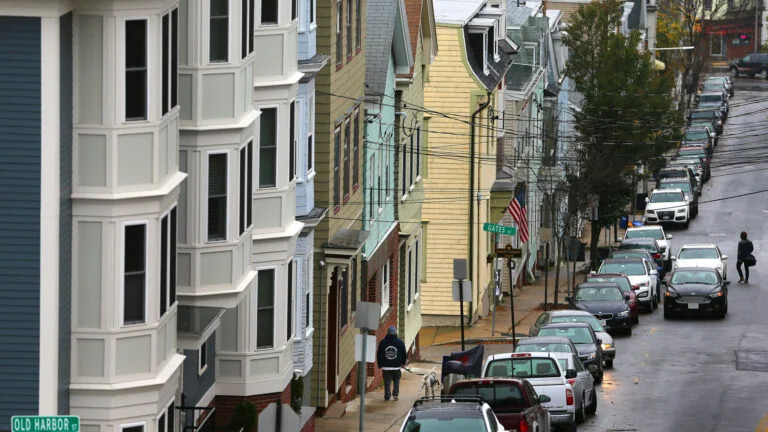
Boston homeowners are bracing for a substantial property tax increase in 2026, with the average residential tax bill projected to rise by about 13 percent beginning in January. This shift comes as the city grapples with declining commercial property values, rising residential assessments, and the legal limits of Massachusetts tax law — factors that together are reshaping the local housing cost landscape as the new year approaches. Per (Axios, WBUR, Boston Globe, BostonAgentMagazine)
Why Property Taxes Are Increasing
The property tax story in Boston is closely tied to how local tax rates are calculated under Massachusetts law. Each year, the City Council must set tax classification rates for residential and commercial properties. In late 2025, the council voted unanimously to set tax rates that will result in about a 13 percent increase in property taxes for homeowners in 2026. This increase is tied to shifting property values: residential property values have risen modestly, while commercial property values — particularly office buildings — have declined. Per (WBUR, Boston Globe)
Because Boston relies on property taxes for roughly 70 percent of its budget, and because state rules limit how the city can redistribute the tax burden, homeowners are absorbing a larger share of the total tax levy. Even with the council maintaining the maximum allowed commercial tax rate (175 percent of the residential rate), the decline in commercial values means that residential owners must make up more of the city’s revenue. Per (WBUR)
In practical terms, for the average single‑family homeowner in Boston, the 13 percent increase translates to roughly $780 more per year, on top of 2025’s increases. Per (Axios, BostonAgentMagazine)
The Political Backdrop: Tax Burden Shifts and Legislative Challenges
Mayor Michelle Wu has publicly acknowledged the burden these sharp increases place on residents and has been pushing state legislators to approve a change that would temporarily allow the city to shift more of the tax burden onto commercial properties beyond the legal limit. The idea is that expanding the tax rate differential could allow commercial property owners — particularly those with declining property values — to shoulder a bit more of the revenue responsibility, reducing the jump for homeowners. Per (Boston Globe, Homes.com)
However, lawmakers in the Massachusetts Senate have repeatedly stalled or declined to advance this proposal, leaving Boston to operate within the existing constraints. Without legislative approval for expanding the commercial tax rate, the city’s only option under state law was to set rates that result in a larger burden for residential owners. Per (Boston Globe, Homes.com)
This stalemate isn’t just political — it highlights a structural issue in how property taxes are allocated under the state’s framework, where extreme shifts in one property class (like commercial real estate) can place outsized pressure on another. Per (Homes.com)
What This Means for Homeowners and the Market
Budgeting and Affordability
A 13 percent increase in property taxes is significant, especially considering this is the second consecutive year of double‑digit tax hikes for homeowners. For many Boston residents — particularly those on fixed incomes, first‑time buyers, or households already stretched by rising housing costs — the increased tax burden could influence decisions about whether to buy, stay, or relocate. Per (WBUR, Boston Globe)
Impact on Buyer Behavior
Property taxes are a long‑term cost of homeownership, and changes of this magnitude can factor into decisions about buying in Boston versus neighboring communities or suburbs with different tax dynamics. Agents should be prepared to discuss tax impacts with clients considering a purchase in the city, especially when comparing options across Greater Boston.
Investor Considerations
For investors, especially those with single‑family rental properties or smaller multifamily buildings, higher residential taxes can tighten operating margins. This may affect buy‑hold strategies, rent pricing discussions, and long‑term yield calculations.
Effect on the Commercial Sector
Interestingly, while residential taxes are rising, many commercial property owners are seeing tax bills decrease because of falling commercial assessments — in some cases by several percentage points. This dynamic reflects broader trends in office vacancy and reduced demand for certain types of commercial space since the pandemic. Per (WBUR, BostonAgentMagazine)
A Broader Reflection on Boston’s Tax Framework
The current situation highlights some inherent complexities in Massachusetts’ property tax system. State limits on how cities can shift tax burdens between residential and commercial classes — a legacy of Proposition 2½ and subsequent classification laws — can produce counterintuitive results when property classes diverge sharply in valuation.
While these rules were designed to constrain tax growth and provide stability, they also mean that local governments must sometimes balance competing priorities without flexibility. For Boston, this has translated into tough choices: either raise residential rates significantly or cut deep into services — neither of which is an easy path politically or economically.
Looking Ahead: What to Watch in 2026
As Boston enters 2026 with new tax rates in place, several key developments will be important for real estate pros and homeowners alike:
- State Legislative Action: Any movement on Mayor Wu’s tax shift proposal or alternative relief measures could reshape future tax burdens.
- Commercial Real Estate Trends: Continued declines in commercial values would likely sustain residential pressure if tax allocation rules remain unchanged.
- Housing Market Behavior: Higher ongoing costs of ownership may influence buyer preferences, prompting increased interest in suburbs, condos, or alternative property types with different tax impacts.
- Policy Responses: Discussions around broader affordability strategies, such as targeted exemptions or relief programs for low‑income homeowners, could gain traction as tax burdens grow.
Summary
Boston’s upcoming 13 percent property tax increase for 2026 reflects a confluence of statistical realities and policy constraints. With commercial property values declining and residential values rising, the burden under current law has shifted dramatically toward homeowners — and efforts to redistribute that burden have stalled at the state level.
For residents, agents, and investors, this means higher carrying costs, careful budgeting, and understanding how tax impacts influence decisions about buying, selling, holding, and forecasting Boston real estate in 2026.
Check out this article next