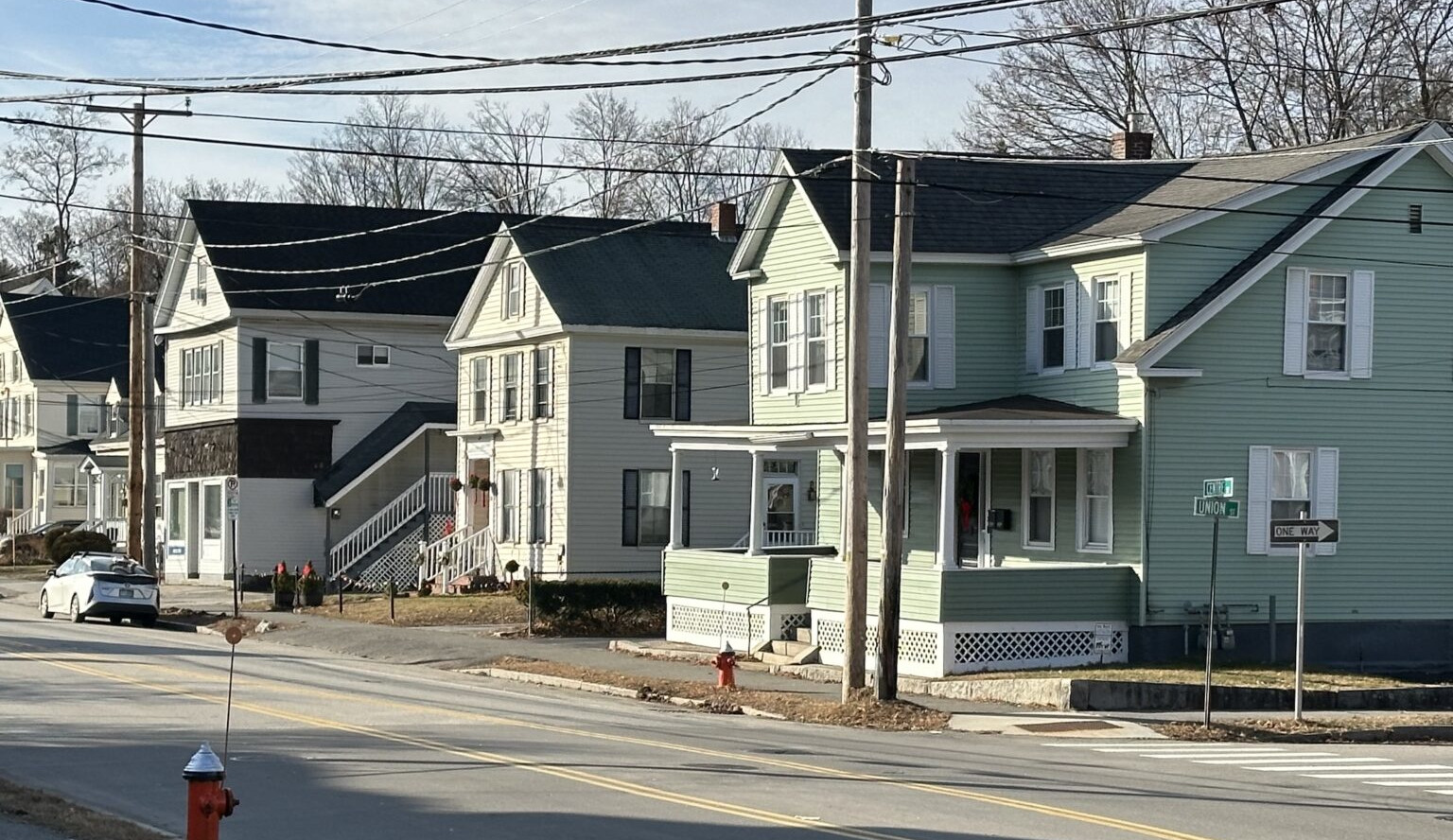
As 2025 draws to a close, New Hampshire’s housing market is showing subtle but meaningful signs of shifting — not dramatically, but in ways that could shape how buyers, sellers, and real estate professionals approach 2026. What we’re seeing is a slight loosening of market conditions, even as prices remain stubbornly high and affordability remains a key challenge.
Inventory Tick‑Up Signals a Shift
For much of the past several years, New Hampshire has been characterized by extremely tight inventory — far below what would be considered a balanced market. Per data compiled in mid‑2025, total housing supply in the state sat around just over 2 months’ supply, compared with the 5–7 months typically indicative of a balanced market — and new construction hasn’t kept pace with demand. This persistent shortage has been a core driver of high prices.
But recent reporting shows the market is beginning to loosen slightly. According to Manchester Ink Link, the housing market has continued to ease modestly as the year closes in December 2025 — a trend that’s been consistent over recent months. However, the change hasn’t yet been enough to make homes significantly more affordable.
This subtle shift reflects more homes coming onto the market and sales slowing a bit — not a sudden flood of inventory, but a noticeable enough increase that buyers currently have just a bit more choice than they did earlier in 2025. For instance, certain local markets show a broader set of options available than in prior years.
Prices Still Elevated Despite Some Cooling
While inventory is inching up, prices remain high. In November 2025, median home prices in New Hampshire rose by roughly 5% year‑over‑year, exceeding $500,000. The continued price increases — even as inventory climbs and sales slow — underscore how intense demand still competes with limited supply in many areas.
Historically, prices in the state have soared for many consecutive months. Earlier in 2025, the median sale price hit record levels, reflecting years of uphill affordability trends for buyers.
Local Market Nuances: Micro‑Trends Matter
Looking deeper at specific communities highlights how varied conditions can be across the state:
- In New Durham, active listings remained limited, and sellers continued to achieve above‑list prices, with homes that sold averaging 101.1% of their final list price — evidence that well‑priced homes are still in demand.
- In Hampton, the market showed moderately competitive conditions, with sellers averaging nearly 99% of final list price and homes selling in under two months when priced well.
- In Tuftonboro, negotiations were more pronounced, with homes selling close to but not above asking price, and an inventory level that gave buyers a bit more room relative to pent‑up demand.
- In Hollis, a more intense seller’s market persisted, with a very low months‑supply and significant buyer interest pushing homes quickly to contract.
These micro‑market snapshots show that even within a general state trend, conditions can be quite different — something realtors should lean into when advising clients.
Affordability: Still a Major Challenge
Even as inventory shows small improvements, affordability remains a steep mountain to climb. The broad trend of high prices means many households, especially first‑time buyers, continue to struggle to enter the market. A report analyzing housing supply conditions shows that low inventory has consistently kept prices high and affordability low relative to local incomes.
This dynamic has real implications: many prospective buyers feel priced out of the market or limited to smaller, lower‑cost towns that may not align with their work or lifestyle preferences.
What This Means for Buyers & Sellers in 2026
As New Hampshire heads into 2026, these evolving conditions create distinct opportunities and challenges:
For Buyers
Slightly more inventory means greater choice, though buyers still need to move quickly for desirable homes.
Expect continued competition in popular areas, though slower sales in select towns could open negotiation windows.
Affordability hurdles remain; buyers may benefit from realistic pricing targets and broader search regions.
For Sellers
Homes that are properly priced and marketed can still attract strong offers — particularly in towns with limited inventory or high buyer interest.
Sellers may see a bit more buyer consideration time, especially compared with frenzied peaks in previous years.
For Realtors & Investors
Micro‑market knowledge is essential: local conditions (days on market, list‑to‑sale ratios, pending ratios) provide the real clues to pricing and timing strategies.
Investors looking for opportunities may find attractive scenarios where slight loosening combines with persistent demand.
For Policymakers
The modest inventory uptick isn’t yet sufficient to relieve long‑term affordability pressure, signaling a need for continued focus on housing supply initiatives.
Looking Ahead: A Market in Transition
The emerging view among many economists and industry observers is that the U.S. housing market — including New Hampshire — may continue to cool slowly in 2026, with home price growth moderating and mortgage rates expected to remain elevated compared to the low‑rate era of recent years. A Reuters poll, for example, suggests national home price rises will slow and daily mortgage costs will stay relatively high, which can have trickle‑down effects on regional markets.
For New Hampshire in particular, small increases in inventory accompanied by continued high prices suggest neither a sharp downturn nor a dramatic surge, but rather a slow shift toward a slightly more balanced environment.
The big picture is this: 2026 is shaping up to be a year of measured change — incremental relief for buyers in some areas, continued strength for sellers in others, and a housing market that still requires professionals to be thoughtful, strategic, and aware of local variation.
Check out this article next