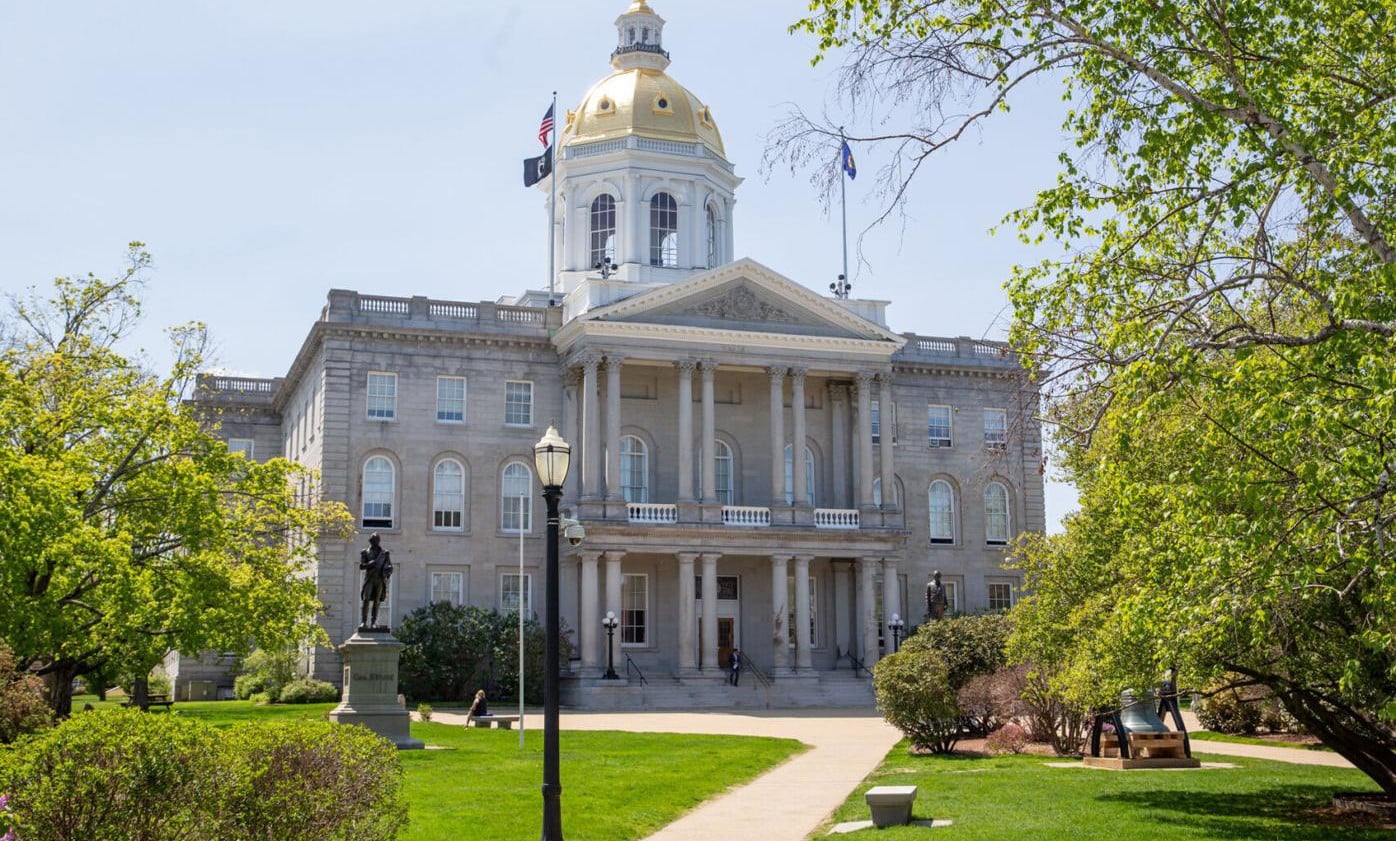
As lawmakers prepare for the 2026 legislative session, housing and childcare have emerged as two of the most pressing priorities in New Hampshire, underscoring how deeply intertwined affordability, workforce stability, and quality of life have become across the state. According to reporting from New Hampshire Public Radio, legislators from both parties are signaling that these issues will take center stage when the next session begins, following years of mounting pressure from residents, employers, and local governments (per New Hampshire Public Radio).
The focus on housing is hardly surprising. New Hampshire continues to face high home prices, limited inventory, and a shortage of workforce housing, all of which have ripple effects beyond the real estate market itself. Employers across multiple industries have reported difficulty attracting and retaining workers, with housing costs frequently cited as a major barrier. At the same time, childcare shortages and high costs are making it harder for families to participate fully in the workforce — creating a compounding challenge for the state’s economy.
Why Housing and Childcare Are Being Linked
What’s notable about this legislative focus is that housing and childcare are increasingly being discussed together, rather than as isolated problems. Lawmakers and policy analysts are recognizing that when families struggle to find affordable housing and reliable childcare, the effects show up everywhere — from labor shortages to declining school enrollment to slower economic growth.
Per New Hampshire Public Radio, lawmakers are expected to examine:
- Housing affordability, particularly for middle-income and workforce households
- Zoning and land-use reforms, building on the major changes passed in recent years
- Workforce housing production, especially near job centers
- Quality-of-life impacts, including how housing costs affect family stability and community vitality
This broader framing suggests that housing policy in 2026 may be less about isolated fixes and more about system-level solutions.
What to Expect in Early 2026
Heading into the new legislative session, real estate professionals should expect early committee activity and bill introductions focused on expanding housing supply and reducing barriers to development. While specific proposals are still taking shape, areas likely to see attention include:
- Incentives or funding mechanisms to encourage workforce housing construction
- Adjustments or clarifications to recent zoning reforms
- Policies aimed at coordinating housing development with infrastructure, employment centers, and childcare access
For developers and investors, this could mean new opportunities — but also new compliance considerations, depending on how legislation evolves. For municipalities, it may bring renewed pressure to align local planning decisions with statewide housing goals.
Implications for Realtors, Homeowners, and Communities
For realtors, the legislative spotlight on housing signals that market conditions may continue to evolve — not just due to interest rates and inventory, but also because of policy changes that affect where and how housing gets built. Understanding upcoming legislation could be critical when advising buyers, sellers, and investors in 2026.
For homeowners, particularly those in growing or job-rich areas, expanded housing initiatives could eventually bring more development activity nearby — along with questions about infrastructure, schools, and neighborhood character.
For communities, the connection between housing and childcare highlights a larger shift in how New Hampshire is approaching growth: not simply adding units, but trying to support long-term livability and workforce sustainability.
Looking Ahead
The fact that housing and childcare are top priorities heading into 2026 suggests that policy momentum around housing is far from slowing down. While debates are likely — especially around zoning, funding, and local control — the direction is clear: lawmakers see housing as a foundational issue tied directly to the state’s economic health and future growth (per New Hampshire Public Radio).
For anyone involved in New Hampshire real estate, staying informed on legislative developments in early 2026 won’t be optional — it will be essential.
Check out this article next