


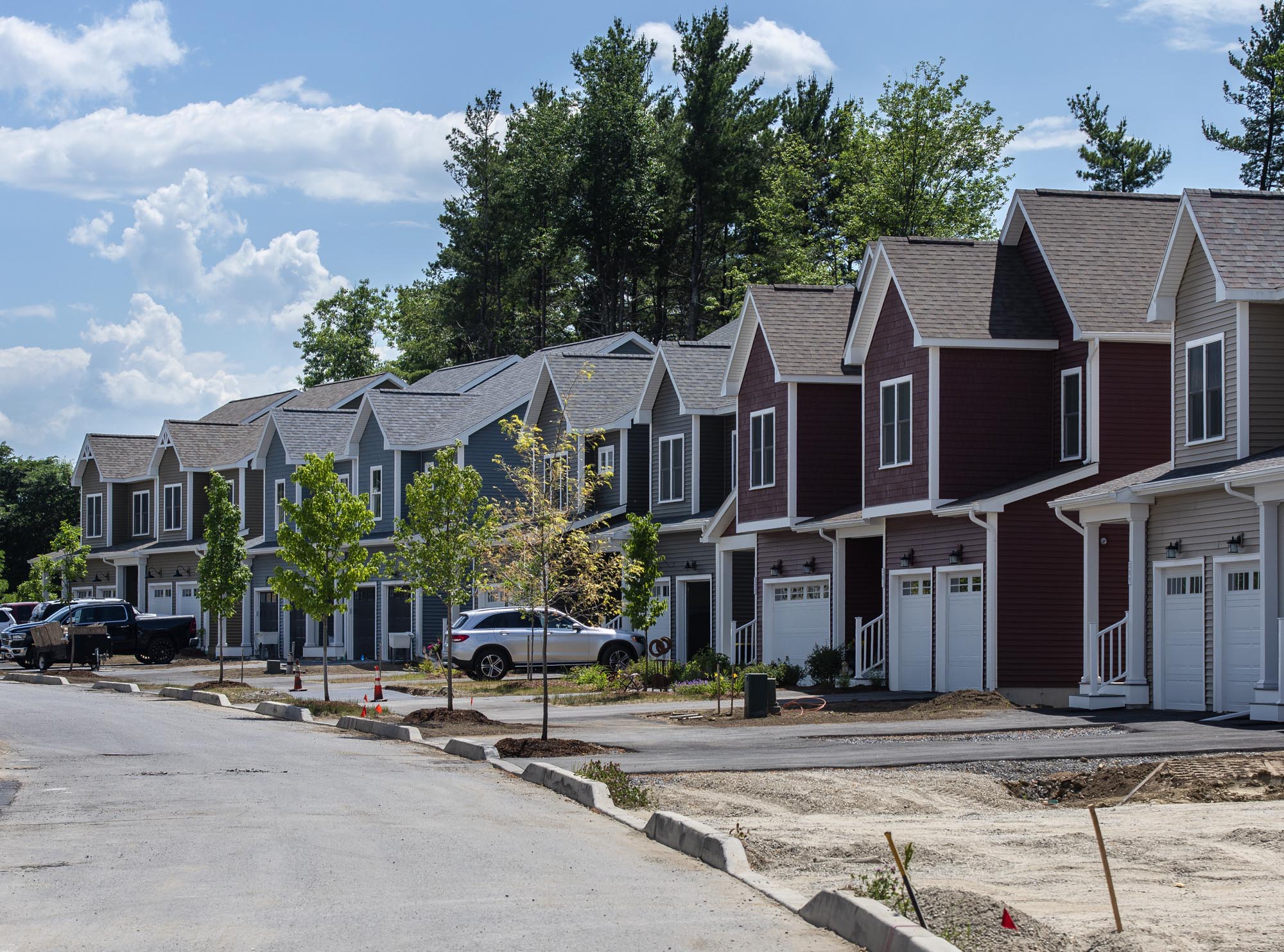
Vermont’s housing market in 2026 continues to be defined by a familiar reality: there still aren’t enough homes to meet demand. Despite gradual improvements in inventory over the past year, the gap between supply and demand remains one of the most pressing challenges across the state.
Recent reporting from Vermont Business Magazine underscores this point clearly. Developers, housing leaders, and industry professionals consistently describe demand — particularly for workforce housing and multifamily units — as “extremely high.” The need is not limited to one region or price point. It spans rental housing, entry-level homes, and properties suitable for the state’s growing workforce.
At the same time, however, there are early signs that the market is beginning to evolve.
A Market Still Driven by Shortage
For years, Vermont has struggled with a structural housing shortage. That shortage has affected nearly every aspect of the state’s economy, from workforce recruitment to affordability for residents.
Employers across industries — including healthcare, construction, and hospitality — continue to report that housing availability is one of the biggest barriers to hiring and retaining workers. When employees cannot find suitable housing, businesses feel the impact almost immediately.
Developers have responded by increasing activity where possible, but the pace of construction has not been enough to fully close the gap. High construction costs, regulatory hurdles, labor shortages, and infrastructure limitations continue to slow down the rate at which new housing can be delivered.
As a result, demand continues to outpace supply, even as more projects move forward.
Signs of a Subtle Shift
While the broader shortage remains, the market is no longer behaving exactly as it did during the peak of the housing crunch.
One of the more interesting developments highlighted in recent reporting is a slight softening in certain rental segments. Some landlords are beginning to see apartments take longer to lease than they did a year ago. In a few cases, incentives — such as offering a month of free rent — are starting to reappear.
That kind of shift would have been almost unthinkable during the height of Vermont’s housing shortage, when units were often filled immediately, and competition among renters was intense.
This does not signal a weak market. Instead, it suggests a move toward a more balanced dynamic in specific areas or property types. As new units come online and demand stabilizes slightly, landlords may need to adjust expectations and strategies, just as sellers have had to do in the for-sale market.
Why Demand Remains So Strong
Even with these early signs of easing, the underlying drivers of demand have not changed.
Vermont continues to attract both in-state and out-of-state buyers, particularly those seeking a different lifestyle, more space, or access to outdoor amenities. Remote work flexibility has made it easier for people to choose Vermont without needing to be tied to a major metro area.
At the same time, the existing housing stock is limited, and new construction has not kept pace with population needs. Workforce housing remains especially tight, with many workers competing for a relatively small number of available units.
This combination — steady demand and constrained supply — continues to put upward pressure on the market, even as certain segments begin to normalize.
A More Nuanced Market for 2026
What makes the current moment different is not the disappearance of demand, but the way that demand is interacting with a gradually improving supply picture.
The market is no longer defined by automatic competition in every transaction. Buyers and renters in some areas have slightly more choice. Properties may take longer to move. Pricing and positioning matter more than they did during the most competitive periods.
At the same time, the broader shortage has not been resolved. In many communities, particularly those with strong employment bases or lifestyle appeal, demand remains intense, and inventory remains tight.
This creates a layered market where conditions vary more significantly by location and property type.
Implications for Real Estate Professionals
For realtors, developers, and investors, this shift requires a more strategic approach.
In the past, speed often defined success. Listings moved quickly, and demand did much of the work. In today’s environment, outcomes are more dependent on pricing, presentation, and understanding local conditions.
Rental property owners may need to pay closer attention to lease-up timelines and incentives. Sellers need to be realistic about pricing in a market where buyers are more selective. Developers must carefully evaluate which projects align with current demand, particularly in the workforce and multifamily segments where need remains strongest.
Perhaps most importantly, professionals need to recognize that Vermont is no longer operating as a single uniform market. Conditions can vary widely from one town to another, and even within different segments of the same community.
Looking Ahead
The central challenge for Vermont remains unchanged: the state still needs more housing, and it needs it across multiple price points and property types.
What is changing is how the market responds as incremental supply is added. Rather than a dramatic shift from shortage to surplus, Vermont is likely to continue moving through a gradual transition — one where supply improves, but not enough to eliminate pressure.
That means periods of easing may coexist with continued competition, depending on where and what type of housing is involved.