



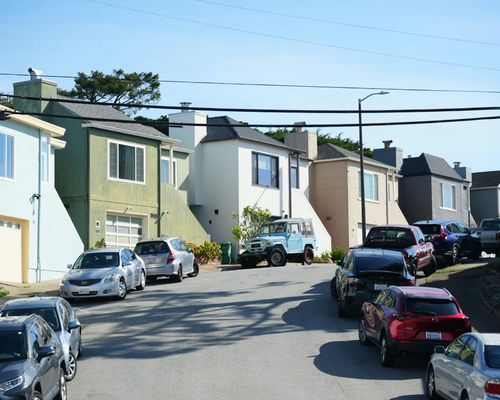
As housing affordability continues to challenge millions of Americans, the federal government is taking steps to make factory-built homes easier to design, produce and install.
The U.S. Department of Housing and Urban Development (HUD) unveiled its Next Generation Manufactured Housing Action Plan on October 7, outlining changes intended to modernize federal standards and encourage innovation in manufactured housing. The initiative follows the 21st Century ROAD to Housing Act, signed into law in July, which removed the longstanding federal requirement that manufactured homes be built on a permanent steel chassis.
The changes could eventually open the door to new home designs, more efficient construction methods and additional options for buyers priced out of traditional homeownership. However, the plan is a roadmap for future regulatory work, not a set of finalized rules that immediately makes every new design available.
A Different Approach to Factory-Built Homes
Manufactured homes are constructed in factories and transported to their installation sites, allowing builders to complete much of the work in a controlled environment rather than relying entirely on on-site construction.
The permanent chassis requirement has historically influenced how these homes are engineered and transported. Removing that requirement creates an opportunity for manufacturers to explore different structural designs, including homes that can be installed on permanent foundations without the same steel-frame configuration.
Industry advocates say the change could reduce certain construction expenses and expand design possibilities. Earlier estimates cited by The Wall Street Journal suggested that removing the chassis requirement could save approximately $5,000 to $10,000 on some homes, although actual savings will depend on the design, manufacturing process and installation requirements.
HUD Plans Broader Regulatory Changes
HUD's action plan outlines several areas for modernization, including updated energy-efficiency standards, new construction and installation requirements for chassis-free homes, and pathways for more innovative factory-built housing.
The department also plans to explore a performance-based construction code for larger residential buildings and develop resources to help additional modular and off-site construction manufacturers enter the federal manufactured-housing system.
These measures could eventually support a wider range of factory-built housing options, potentially extending beyond the traditional single-family manufactured home.
Still, important work remains. HUD must develop appropriate safety, foundation, transportation and installation standards for homes built without permanent chassis. The action plan does not establish a firm timeline for completing all of these changes.
Affordability Depends on More Than Construction Costs
Even if factory-built homes become less expensive to produce, buyers will still face other barriers.
Land prices, zoning restrictions, utility connections, transportation costs, insurance and financing can all affect the final cost of a home. Some municipalities also limit where manufactured homes can be placed, potentially restricting the impact of federal reforms.
That means expanding production alone will not guarantee that more affordable homes become available in communities where demand is strongest.
For developers and contractors, however, the initiative could create opportunities to explore new building methods, streamline projects and incorporate factory-built components into housing developments.
What Comes Next?
HUD's plan signals a broader federal effort to make manufactured housing a more practical part of the country's housing supply. If the regulatory changes move forward and local barriers are addressed, factory-built construction could become a more significant option for first-time buyers, smaller developers and communities seeking lower-cost housing.
The immediate impact will depend on how quickly federal standards are updated and whether manufacturers, lenders and local governments adapt to the new framework.
For now, the announcement represents an important policy shift rather than an immediate solution to the affordability crisis. The real test will be whether these changes translate into more homes that buyers can actually afford, and whether those homes can be built where people need them most.
Discussion
Thoughts from readers and local market watchers.