


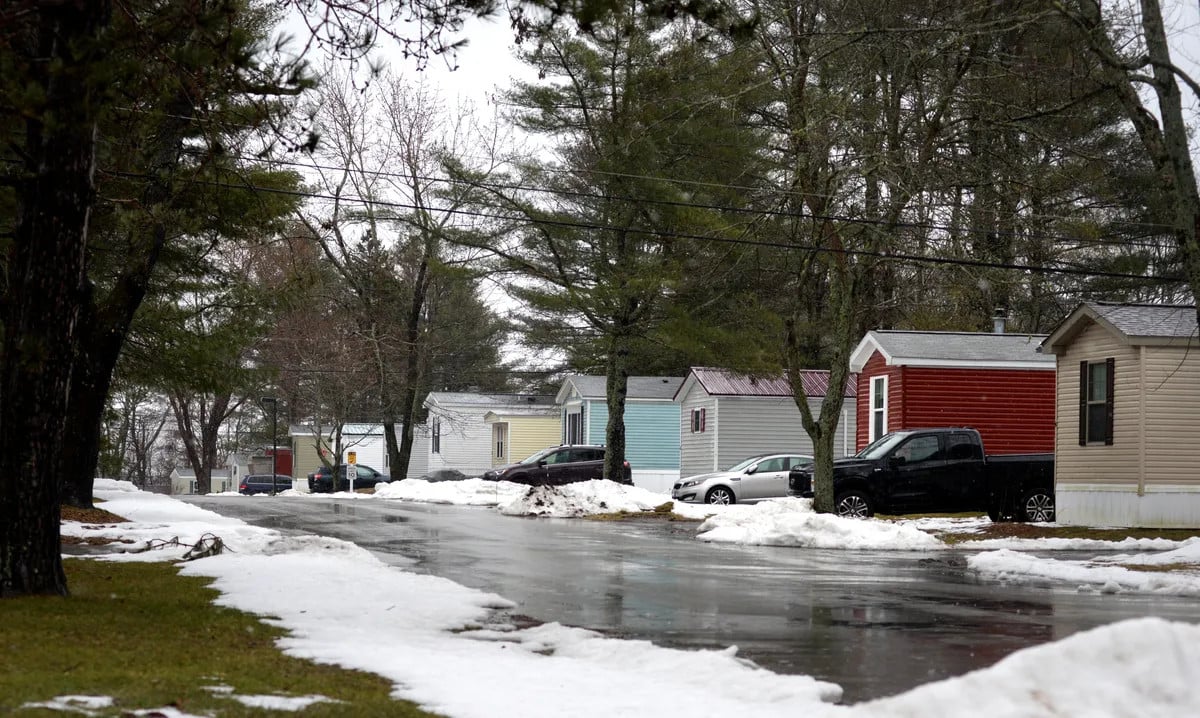
Maine’s housing landscape is evolving, and policymakers are focusing on strategies to make housing more accessible and secure for residents across the state. A key area of attention is mobile home parks, which have long been a source of affordable housing for thousands of Mainers. At the same time, broader affordable housing initiatives are being examined to address persistent market pressures and growing demand.
Protecting Mobile Home Residents
Mobile home parks provide an important housing option for individuals and families who might otherwise be priced out of the traditional real estate market. Recently, lawmakers and advocacy groups have emphasized the need for stronger protections for residents, particularly around rent increases, eviction notices, and ownership rights.
This focus comes amid concerns that rising real estate and land values, combined with investor activity, could make some mobile home communities vulnerable to displacement. By establishing clearer guidelines and protections, policymakers hope to preserve these affordable living options while ensuring that park owners can maintain and improve their communities responsibly.
Expanding Affordable Housing Across Maine
Beyond mobile homes, Maine continues to face challenges in providing enough affordable housing for its growing population. Lawmakers, developers, and advocacy organizations are collaborating to create actionable plans that increase housing supply, particularly in segments that meet the needs of low- to moderate-income residents.
Proposed strategies include:
- Encouraging mixed-income developments that combine market-rate and affordable units.
- Incentivizing redevelopment of underutilized properties, turning vacant buildings or parcels into livable, affordable homes.
- Supporting workforce housing initiatives to help essential workers, such as teachers, nurses, and first responders, live in communities where they work.
The goal is to balance growth with affordability, ensuring that Maine’s housing market works for both residents and investors while addressing the long-term housing gap.
The Role of Data and Reports
To guide policy decisions, state agencies are actively gathering data on housing trends, park occupancy, and market pressures. This includes reports assessing how investor activity affects mobile home communities and which areas are most in need of affordable housing solutions. With this information, policymakers can make informed, strategic decisions about where to invest resources and how to structure protections that benefit residents without discouraging responsible investment.
What This Means for Mainers
For residents, these developments could mean greater security in their homes, clearer rights, and more opportunities to access affordable housing. For investors and developers, the strategies provide guidelines for responsible growth that aligns with community needs. And for communities as a whole, the effort signals a commitment to maintaining diverse housing options in Maine’s changing market.