



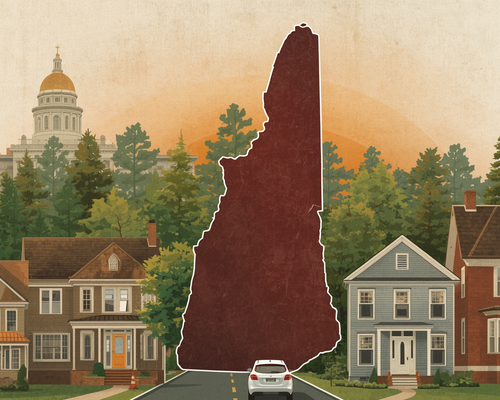
June 4, 2026 may ultimately be remembered as one of the most important dates in New Hampshire's ongoing housing affordability debate.
On that day, lawmakers in Concord reached a final agreement on House Bill 1300 (HB 1300) after months of negotiations between the House and Senate. The compromise legislation advanced during one of the Legislature's final major sessions before attention shifts toward the fall election season, setting the stage for what could become one of the most closely watched ballot questions facing New Hampshire voters in 2026.
At first glance, HB 1300 appears to be a school funding bill. In reality, many housing professionals believe it has become one of the most significant housing affordability measures debated this year.
The legislation, originally introduced by Rep. Aidan Ankarberg (R-Rochester) and later shepherded through the Senate by Sen. Daniel Innis (R-Bradford), would require communities across New Hampshire to vote on whether to adopt local school district property tax caps. The proposal specifically focuses on school-related property taxes and administrative spending, areas that have become increasingly scrutinized as homeowners face rising housing costs.
The timing of the debate is not accidental.
Over the past several years, New Hampshire home prices have climbed dramatically, inventory has remained tight, and mortgage rates have stayed elevated compared to the historic lows seen during the pandemic housing boom. Yet for many homeowners and buyers, another expense has become just as concerning: property taxes.
As of 2026, affordability in New Hampshire is no longer determined solely by the purchase price of a home. Buyers are increasingly evaluating the total cost of ownership, including mortgage payments, insurance premiums, utility expenses, maintenance costs, and annual property tax obligations.
That reality is helping transform HB 1300 from a municipal finance issue into a major housing issue.
The bill's path through the Legislature was far from straightforward.
Earlier versions of HB 1300 proposed broader tax cap requirements and generated significant opposition from education advocates, school administrators, and municipal organizations. Throughout the spring legislative session, lawmakers amended the bill multiple times before ultimately reaching a compromise during conference committee negotiations in late May.
The final agreement was approved on June 4, 2026, allowing the measure to move forward and bringing New Hampshire one step closer to placing the issue directly before voters.
Supporters argue that the legislation gives taxpayers a direct voice in controlling future property tax growth. They point to increasing concerns from homeowners, particularly retirees and residents on fixed incomes, who say rising tax bills are making it harder to remain in their homes.
Opponents counter that local communities already possess mechanisms to adopt tax caps if voters desire them and warn that restricting future revenue growth could create challenges for school districts facing rising costs related to transportation, facilities, staffing, and special education services.
What makes this debate especially important is that both sides generally agree on one thing:
Property taxes have become a major affordability issue in New Hampshire.
No longer is it a question of whether higher taxes affect homeowners. The argument is over what the state should do.
The result of this debate could have implications for housing decisions well beyond the 2026 election cycle for real estate professionals, investors, homebuyers, and homeowners.
As November nears, HB 1300 is proving to be much more than a New Hampshire tax policy proposal. Now it’s part of a larger statewide discussion about affordability, homeownership, local control and the real cost of living in the Granite State.
And with voters likely to have a direct say in the matter, this story is probably just getting started.
Discussion
Thoughts from readers and local market watchers.