



The U.S. housing market continues to face a supply challenge, but the latest construction data shows the problem isn't a lack of demand for housing—it's the growing difficulty of building it.
New figures from the U.S. Commerce Department reveal that overall construction spending increased just 0.1% in May, a modest gain that matched economists' expectations. Beneath the headline, however, the residential market tells a very different story.
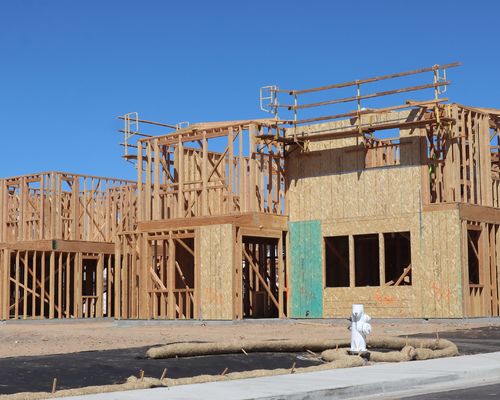
Spending on new single-family home construction declined 0.1% from April and is now down 4.0% compared to a year ago, signaling that builders remain cautious as they navigate one of the toughest housing environments in years.
The slowdown isn't surprising.
Builders continue facing a combination of challenges that have weighed on the market throughout 2026. Mortgage rates remain well above 6%, financing costs for developers are elevated, labor shortages persist in many regions, and material prices remain volatile. At the same time, affordability pressures are forcing many prospective buyers to delay purchasing a home, making builders more hesitant to launch new projects.
It's a difficult balancing act.
The United States still needs more housing, but building those homes has become increasingly expensive while the pool of qualified buyers has become increasingly constrained.
Interestingly, one part of the residential market is moving in the opposite direction.
Instead of buying a new home, many homeowners are choosing to improve the one they already have. Spending on home renovations and improvements continued to edge higher in May, reflecting a trend that has become increasingly common over the past two years.
Many homeowners are locked into mortgage rates below 4% and simply don't want to trade those loans for today's much higher borrowing costs. Rather than moving, they're remodeling kitchens, adding living space, updating bathrooms, or completing long-delayed renovation projects.
That "stay-and-renovate" mindset continues to support the home improvement sector even as new-home construction slows.
The latest report also reinforces a broader trend that has been developing throughout the year.
Just weeks ago, government data showed housing starts plunged 15.4% in May to an annual pace of 1.177 million units, the lowest level since 2020. Builder confidence has also weakened in recent months as companies report softer buyer traffic and growing concerns about affordability.
Taken together, the data paints a clear picture.
Builders aren't walking away from the market—they're becoming more selective. Many are delaying new developments, scaling back construction plans, or focusing on projects with stronger demand until financing conditions improve.
The challenge is that the country still faces a significant housing shortage.
If construction activity remains subdued for an extended period, today's slowdown could translate into even tighter housing supply in the years ahead, making affordability an even bigger challenge once buyer demand strengthens again.
For now, the housing market remains caught in an uncomfortable position.
Buyers want lower mortgage rates. Builders need stronger demand. And while overall construction spending is still inching higher, the slowdown in new-home construction is another reminder that the supply side of America's housing market continues to face significant headwinds.
Until borrowing costs ease or affordability improves, builders are likely to remain cautious—and that means the nation's housing shortage won't be solved anytime soon.
Discussion
Thoughts from readers and local market watchers.