


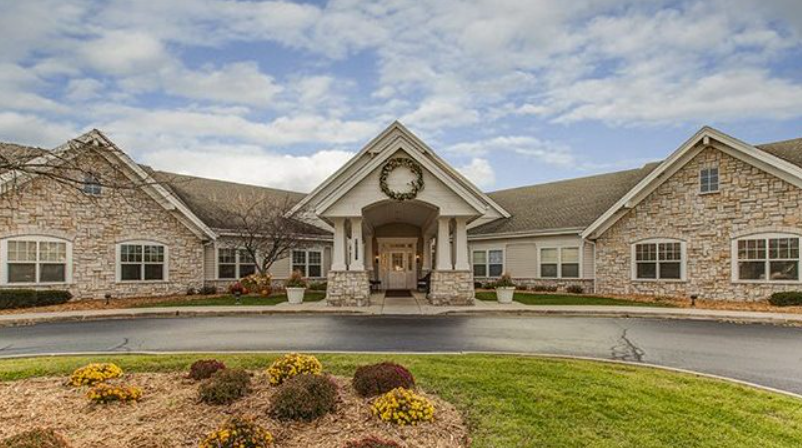
The traditional real estate playbook has been rewritten. As of February 2026, the institutional obsession with shimmering office towers and sprawling retail malls has officially cooled, replaced by a massive migration of capital toward "alternative" assets. Investors are no longer just looking for a place to put a desk or a storefront; they are chasing the fundamental needs of a changing society: aging populations and the insatiable hunger for artificial intelligence.
Data centers and senior living facilities have moved from the fringes of the portfolio to the very center. While the U.S. market continues to navigate a complex interest rate environment, savvy capital is flowing into sectors where demand is driven by demographic certainty and technological necessity rather than discretionary spending. This shift represents a fundamental democratization of the asset class, fueled by new regulations and AI-driven investment platforms that allow smaller players to compete with the giants.
The transition is stark. While traditional commercial sectors struggle with the lasting effects of hybrid work and high borrowing costs, alternative real estate is posting record-breaking yields. This is the year the "alternative" became the core.
The Silver Tsunami: Why 2026 is a Senior Living Inflection Point
We have reached a historic demographic tipping point. In 2026, the first wave of Baby Boomers is officially turning 80 years old. This isn't just a statistic; it is a massive structural shift for the housing market. For years, the real estate industry talked about the "Silver Tsunami," but the wave has finally reached the shore.
Demand for senior housing is currently outstripping supply at an unprecedented rate. Because of the construction slowdowns seen in the early 2020s, occupancy levels in high-end assisted living and "independent living lite" communities are hitting record highs. For investors, this creates a "recession-proof" yield. Regardless of what happens with the economy or the latest mortgage rate fluctuations, people do not stop aging.
The model is also evolving. We are seeing a shift toward "Wellness Real Estate," where facilities are designed around longevity, preventative health, and tech-integrated care. These aren't the nursing homes of twenty years ago; they are luxury lifestyle assets that happen to offer medical support. This transition into "Living" assets: which also includes student housing and workforce multifamily: has made this the largest investment sector in the global market this year.
Data Centers: The Physical Backbone of the AI Revolution
If senior living is the bet on human biology, data centers are the bet on the future of human intelligence. The explosion of AI applications across every industry has created a desperate need for processing power. This has turned data centers into the most supply-constrained asset class in the world.
In 2026, leasing activity for data centers has reached an all-time high. However, the barrier to entry isn't just the cost of construction; it is the availability of power. Investors are moving away from traditional tech hubs like Northern Virginia and looking toward the Sun Belt and secondary markets where energy grids are more robust or regulations allow for private power production.
We are seeing buildings being treated as "active energy resources." A modern data center in 2026 is essentially a small power plant that happens to house servers. For those interested in the broader global shift of capital, it’s worth looking at how cross-border capital is pivoting toward these safe-haven assets. The demand for "bytes" is now just as critical as the demand for "beds."
The Democratization of Commercial Real Estate
Perhaps the most significant change in 2026 is who is doing the investing. Historically, data centers and large-scale senior housing were the exclusive playground of REITS and institutional pension funds. The barriers to entry: huge capital requirements and specialized operational knowledge: were simply too high for the individual investor.
That has changed. A combination of AI-driven analytics and new regulatory frameworks has opened the doors.
- AI-Enhanced Due Diligence: Smaller investment groups are now using AI tools to analyze power grid stability, local demographic shifts, and zoning changes in seconds, tasks that used to take teams of analysts weeks.
- Fractional Ownership and Tokenization: We are seeing a rise in platforms that allow savvy individuals to buy fractional shares in specialized data centers or student housing projects.
- Regulatory Tailwinds: New local mandates, such as those seen in Massachusetts regarding multifamily zoning, are forcing a rethink of how land is used, often clearing the way for "alternative" developments that address the housing crisis.
This democratization means that "alternative" no longer means "inaccessible." Smaller, savvy investors are now looking at these high-yield sectors to hedge against the volatility seen in the traditional residential or office markets.

The Practical Impact: How to Navigate the Shift
The pivot to alternative assets affects everyone in the real estate ecosystem. Whether you are a homeowner in a developing corridor or a professional investor, the rules have changed.
For Investors
The play in 2026 is diversification into "Living" and "Infra-tech" assets. If your portfolio is heavy on retail or traditional office space, look for opportunities to transition into student housing or data center-adjacent industrial properties. The yields in these sectors are currently outpacing traditional residential rentals in many markets.
For Buyers and Homeowners
Keep an eye on local infrastructure. If you live in an area where data centers are being proposed, expect your property value to be impacted by new energy infrastructure and high-paying tech jobs moving into the area. Conversely, the rise of "active adult" communities may offer new downsizing opportunities that didn't exist five years ago.
For Realtors
Education is your best tool. Clients are hearing the buzz about "alternative assets" but often don't understand the risks or the mechanics. Positioning yourself as a knowledgeable resource on the about us page of your business, focusing on these emerging sectors, will set you apart from the standard residential agent.
For Sellers
If you own land or underutilized commercial buildings, your "highest and best use" may no longer be a standard subdivision or a strip mall. Developers are looking for sites that can be converted into senior living or small-scale edge data centers. Consult with experts who understand these niche sectors before you list.
Global Capital Flows: The Search for "Recession-Proof" Yields
Investors are currently fleeing uncertainty. With geopolitical tensions and the lingering effects of the 2025 government shutdown, capital is looking for "safe harbors."
Alternative assets are seen as safe because they are tied to non-discretionary needs. You can't "opt out" of getting older, and the global economy can no longer "opt out" of using the internet. This fundamental necessity creates a floor for valuations that traditional office space simply doesn't have anymore.
We are seeing a massive influx of international capital into U.S. alternative sectors, particularly from European and Asian funds looking for demographic stability. At the same time, domestic investors are looking at how these global shifts create localized opportunities in places like New Hampshire and the broader Northeast.
What to Watch: The Outlook for the Rest of 2026
As we move further into the year, several factors will determine if this "alternative" boom remains sustainable.
First, the "Power Wall." The growth of data centers is hitting a physical limit: electricity. Watch for breakthroughs in modular nuclear reactors or large-scale battery storage, as these will unlock new geographic regions for development.
Second, the "Labor Gap" in senior living. While the demand for beds is there, the industry is struggling to find the staff to manage these facilities. AI and robotics are being integrated to fill the gap, but the human element remains a bottleneck.
Finally, keep an eye on interest rates. While alternative assets are more resilient, they are not immune. If rates stay "higher for longer," the cost of developing these specialized facilities will remain a challenge for everyone but the most well-capitalized players.
The landscape has changed, but the opportunity has never been clearer. For more insights on how to position your portfolio for the rest of 2026, or to discuss specific opportunities in the Northeast, feel free to contact us directly.
The rise of alternative real estate isn't just a trend; it's a reflection of where our society is heading. By focusing on the sectors that the world actually needs: rather than the ones it's used to: investors can find stability in an otherwise volatile market. Don't get left behind in the old world of office and retail. The future is in "beds and bytes," and 2026 is the year it all becomes reality.