



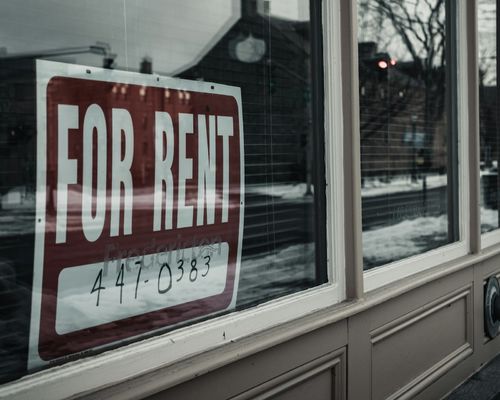
Massachusetts' debate over rent control is far from over.
While the state's highest court recently removed a proposed statewide rent control initiative from the November ballot, the conversation surrounding housing affordability has only intensified. Instead of taking the issue directly to voters this fall, lawmakers, housing advocates, developers, and real estate professionals are now turning their attention to Beacon Hill, where a new legislative battle over rent stabilization is already beginning to take shape.
For renters struggling with rising housing costs, the court's decision was disappointing. For landlords and many in the real estate industry, it provided temporary relief from what would have been one of the most sweeping rent control policies in the country. But regardless of which side people supported, one thing has become increasingly clear: Massachusetts' housing affordability crisis isn't going away, and state leaders are still searching for solutions.
The proposed ballot measure would have capped annual rent increases at the rate of inflation or 5%, whichever was lower, across all 351 cities and towns in Massachusetts. However, the Massachusetts Supreme Judicial Court ruled that the proposal could not appear on the ballot because one of its exemptions conflicted with the state constitution. Importantly, the court's decision addressed the legal structure of the petition—not the broader policy debate surrounding rent control itself.
That distinction is why the discussion has quickly shifted back to the Legislature.
Rather than pursuing another statewide ballot question immediately, many housing advocates are now encouraging lawmakers to consider legislation that would allow individual cities and towns to adopt limited forms of rent stabilization if local officials determine it's necessary. Supporters argue that giving municipalities greater flexibility would allow communities experiencing severe affordability pressures to respond without imposing a one-size-fits-all policy across the Commonwealth.
Opponents, however, remain skeptical.
Developers, apartment owners, and many housing economists continue to argue that limiting rental income could discourage new construction at a time when Massachusetts desperately needs additional housing. They believe the state's biggest problem isn't simply rising rents—it's the ongoing shortage of homes. Their concern is that stricter rent regulations could cause investors to delay or cancel projects, reducing the very housing supply needed to improve affordability over the long term.
That supply issue has become one of the defining challenges facing Massachusetts.
Communities across Greater Boston and much of eastern Massachusetts continue to experience limited inventory, high construction costs, and strong demand from buyers and renters alike. Even as more homes have entered the market in recent months, housing prices and rental costs remain historically elevated, leaving many residents feeling priced out of the communities where they work and want to live.
Because of those pressures, many housing experts believe the next phase of the debate won't focus solely on rent stabilization. Instead, lawmakers are expected to continue discussing broader reforms aimed at increasing housing production through zoning changes, permitting improvements, incentives for multifamily development, and programs that encourage new residential construction.
For real estate professionals, the current situation creates an unusual level of uncertainty.
Property owners, investors, and developers are closely watching Beacon Hill to see whether lawmakers introduce a compromise that balances tenant protections with continued housing investment. Any future legislation could influence everything from development planning and rental pricing strategies to long-term investment decisions throughout the Commonwealth.
At the same time, renters continue searching for more immediate relief as housing costs remain one of the largest financial burdens facing Massachusetts households.
The court may have ended this particular ballot initiative, but it did not end the state's conversation about housing affordability. If anything, the debate has simply moved from the ballot box to the State House, where policymakers now face growing pressure to find solutions that both protect renters and encourage the construction of desperately needed housing.
As lawmakers return to Beacon Hill in the months ahead, the outcome of those discussions could shape the future of Massachusetts' rental market for years to come. Whether that future includes a limited form of rent stabilization, expanded housing development, or a combination of both, one thing is certain: housing affordability will remain one of the Commonwealth's most closely watched real estate issues.

Discussion
Thoughts from readers and local market watchers.