



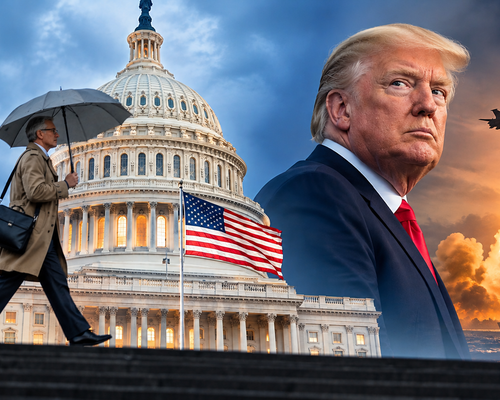
The results of the November 3 U.S. midterm elections have created a new political challenge for President Donald Trump, with Democrats winning control of both the House of Representatives and the Senate. The outcome could significantly affect Washington's approach to the ongoing war with Iran, particularly as concerns grow over military spending, rising energy costs, and the possibility of further escalation.
The election results reflect growing frustration among voters over the administration's handling of the eight-month conflict. Trump acknowledged that the war contributed to Republican losses, while Vice President JD Vance publicly questioned whether the military campaign was worth its political and economic costs. <Cite refs={["turn506367search0","turn506367search7"]}/>
A Democratic Congress Could Limit Military Action
With control of both chambers, Democrats will have greater influence over defense spending, military funding, and congressional oversight. Lawmakers could use these powers to challenge additional military operations, demand information from the administration, and push for congressional authorization of continued military action.
Democrats have repeatedly argued that Trump should not continue the conflict without approval from Congress. However, the election does not automatically end the military campaign. Trump retains significant authority over foreign policy and military operations, and Democrats will still face limitations if they cannot secure enough votes to overcome a presidential veto. <Cite refs={["turn506367search1","turn506367search5"]}/>
The change in congressional control will take effect in January 2027, meaning the administration will still have several weeks under the current Republican-controlled Congress before Democrats assume their new positions.
Global Markets React to the Possibility of De-escalation
The election results have already affected international energy markets. Oil prices dropped more than 8% on November 4, with Brent crude settling at $94.62 per barrel and U.S. West Texas Intermediate falling to $88.12.
Investors responded to expectations that the election outcome could increase pressure on Trump to pursue a diplomatic agreement with Iran rather than resume major military operations. However, a negotiated settlement remains uncertain, with disagreements continuing over Iran's nuclear program, sanctions relief, and security arrangements in the region. <Cite refs={["turn506367search4","turn506367news10"]}/>
The stakes extend well beyond the United States. Continued instability around the Strait of Hormuz could threaten one of the world's most important oil shipping routes, affecting energy supplies, transportation costs, and international trade.
What Happens Next?
The election results have given Democrats greater leverage over U.S. foreign policy, but they have not removed Trump's ability to pursue his existing strategy. The president could face more congressional resistance, investigations, and restrictions on funding, while still retaining executive powers that allow him to make important military decisions.
For now, the future of the Iran conflict remains uncertain. The administration must weigh the possibility of further military action against growing political pressure at home and the economic consequences of prolonged instability.
The coming months will show whether the change in congressional control creates momentum for negotiations or leads to a deeper confrontation between the White House and lawmakers over the limits of presidential military authority.
Discussion
Thoughts from readers and local market watchers.