



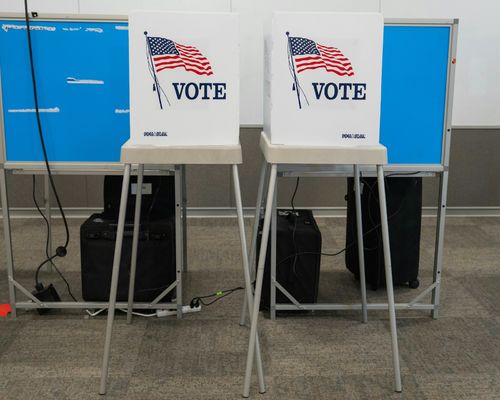
Vermont Democrats have regained veto-proof supermajorities in both chambers of the state Legislature following the November 3 elections, giving the party greater influence over housing, property taxes and other major policy decisions.
According to unofficial results from the Vermont Secretary of State, Democrats are expected to hold 102 of 150 seats in the House and 20 of 30 seats in the Senate when the new legislative session begins in January. The gains reverse much of the ground Republicans made during the 2024 elections and give Democrats enough votes to override gubernatorial vetoes.
The results create a new political dynamic in Montpelier. Republican Gov. Phil Scott won an unprecedented sixth consecutive term, but he will face a Legislature with a stronger Democratic majority and greater ability to advance legislation without his approval.
Housing and Property Taxes Could Become Major Issues
Housing affordability and property taxes are expected to remain central issues during the next legislative session.
Democratic lawmakers have discussed changes to Vermont's tax structure, including proposals to increase taxes on higher-income households and reconsider how the state funds public education. House Democrat Kate McCann, who is seeking the speakership, has advocated moving school funding away from property taxes toward an income-based system.
The Legislature could also revisit housing-related policies, including development incentives, infrastructure funding and regulations affecting new construction.
These decisions could influence the cost of homeownership, the availability of rental housing and the financial feasibility of residential development across Vermont.
Scott Faces a Different Legislative Environment
Although Scott secured another term, the election results will limit his ability to block legislation through vetoes.
Democratic leaders have indicated that they want to work with the governor where possible, but the restored supermajorities give them the option of advancing proposals even when the administration disagrees.
Scott has emphasized affordability, economic growth and government spending discipline. He has also acknowledged that the next two years will involve significant policy disagreements with lawmakers.
Republican legislative leaders, meanwhile, have expressed concern about the return of a veto-proof Democratic majority and the possibility of increased state spending.
What It Could Mean for Vermont's Housing Market
For homeowners, buyers, landlords and developers, the election could have important implications beyond the change in legislative control.
Potential changes to property taxes, school funding and development policies could affect household expenses and the economics of building or maintaining housing. The direction of those changes, however, will depend on the specific legislation lawmakers introduce and ultimately approve.
With the new Legislature set to convene in January, Vermont's housing and tax policies are likely to receive significant attention as lawmakers begin shaping the state's next budget and legislative agenda.
Discussion
Thoughts from readers and local market watchers.