



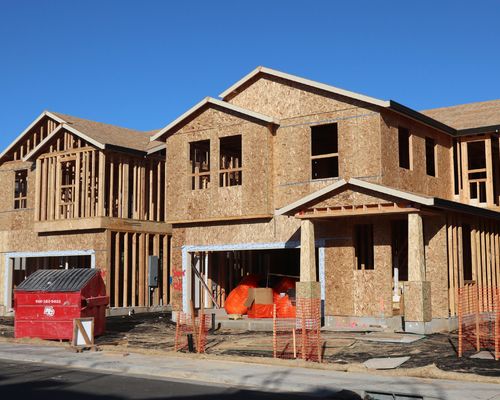
U.S. homebuilder stocks rallied sharply this week after Treasury yields posted their biggest decline in nearly a month, giving investors renewed optimism that the housing market could finally see some relief from elevated mortgage rates. The sudden market move came as easing geopolitical tensions and hopes for a possible U.S.-Iran peace agreement sent oil prices lower and reduced inflation fears across Wall Street.
The housing sector has been one of the most heavily pressured parts of the economy throughout 2026. Mortgage rates have remained stubbornly high, affordability has worsened in many regions, and existing-home sales have slowed dramatically as homeowners continue holding onto the ultra-low mortgage rates they secured during the pandemic housing boom. But this week’s drop in Treasury yields sparked a wave of optimism that borrowing costs may finally begin easing later this year.
Treasury Yields Suddenly Reverse Lower
The biggest catalyst behind the rally was the sharp decline in the benchmark 10-year Treasury yield, which fell roughly 7 basis points to around 4.35%. The 10-year Treasury note is especially important for the housing market because mortgage lenders use it as a benchmark when pricing 30-year fixed-rate home loans.
Only days earlier, Treasury yields had surged to some of their highest levels of the year. At one point, the 30-year Treasury yield climbed above 5%, intensifying concerns that the Federal Reserve might keep interest rates higher for longer.
That environment placed enormous pressure on housing-related stocks because higher Treasury yields usually translate directly into higher mortgage rates. As rates climbed, affordability worsened for buyers already struggling with elevated home prices and rising ownership costs.
This week, however, sentiment shifted rapidly as investors moved back into bonds, causing yields to fall and triggering a rally across interest-rate-sensitive sectors, especially homebuilders.
Homebuilder Stocks Bounce Back
The decline in yields immediately boosted confidence in homebuilding companies that have spent much of the year battling difficult market conditions. The iShares U.S. Home Construction ETF jumped more than 2% in premarket trading following the bond market reversal.
The rally was significant because homebuilder stocks have faced heavy losses in recent months. Since the start of the Iran conflict earlier this year, the home construction ETF had fallen nearly 14%, even while the broader S&P 500 continued pushing toward record highs.
Investors increasingly viewed builders as vulnerable to prolonged high mortgage rates because rising borrowing costs directly reduce buyer purchasing power. Every increase in mortgage rates raises monthly payments, pushing many potential buyers out of the market entirely.
But falling Treasury yields gave investors hope that mortgage pressure could ease heading into the second half of 2026.
Mortgage Rates Remain a Major Challenge
Despite the market optimism, the housing market itself remains under considerable strain.
The average 30-year fixed mortgage rate recently climbed back to approximately 6.45%, marking one of the highest levels seen in recent weeks. Mortgage rates have remained stuck well above levels that most buyers had hoped for entering 2026.
Affordability challenges continue affecting nearly every segment of the housing market. Home prices remain elevated in many metropolitan areas, while higher insurance costs, property taxes, HOA fees, and everyday living expenses are making homeownership increasingly expensive.
At the same time, inventory remains historically tight because millions of homeowners are unwilling to sell homes financed with pandemic-era mortgage rates below 4%. This “lock-in effect” has frozen much of the resale market and created a major shortage of existing homes available for sale.
Why Builders Are Still Performing Better Than Existing Sellers
Even while the broader housing market struggles, homebuilders have managed to remain surprisingly active by aggressively adapting to affordability concerns.
Unlike traditional homeowners, builders have flexibility to offer major incentives to attract buyers. Across the country, many builders continue offering:
- mortgage rate buydowns,
- closing-cost assistance,
- appliance packages,
- free upgrades,
- and direct price reductions.
These incentives have helped new construction outperform much of the resale market.
Builders are also increasingly focusing on smaller floor plans and more affordable communities aimed at first-time buyers facing budget pressure.
This flexibility has made newly built homes one of the few segments of the housing market where buyers can still negotiate meaningful concessions.
Wall Street Is Watching the Bond Market Closely
While the recent rally boosted confidence, analysts caution that the housing market remains highly sensitive to Treasury yield volatility and Federal Reserve policy.
Bond yields have swung dramatically throughout 2026 as investors react to inflation data, oil prices, geopolitical developments, and economic reports. Just days before this week’s rally, Wall Street had been increasingly worried that surging yields could trigger a broader market correction and further weaken housing demand.
Many economists believe the direction of mortgage rates over the next several months will largely depend on whether inflation continues cooling and whether geopolitical tensions remain contained.
If Treasury yields continue falling, homebuilders could become one of the biggest beneficiaries of improving financial conditions later this year. Lower mortgage rates would likely increase buyer traffic, improve affordability, and strengthen demand heading into the traditionally active fall housing season.
For now, investors appear encouraged that at least some of the intense mortgage-rate pressure weighing on housing throughout 2026 may finally be beginning to ease.