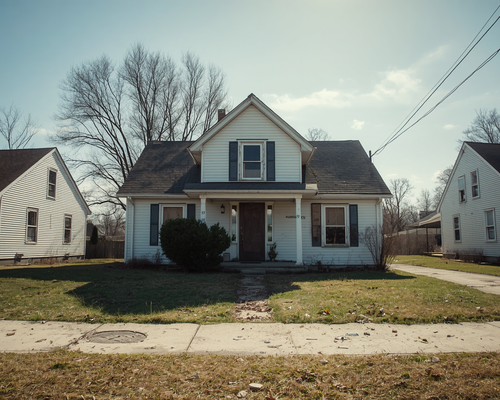
A growing number of American homeowners are beginning to feel the financial strain of today’s housing market, and foreclosure activity is now rising to levels not seen since before the pandemic. While the situation is nowhere near the scale of the 2008 housing crash, new data shows that mounting ownership costs are putting increasing pressure on households across the country, especially recent homebuyers already stretched by elevated mortgage rates and record housing expenses.
According to new figures from property-data provider ATTOM, nearly 119,000 U.S. properties received foreclosure filings during the first quarter of 2026, representing a 26% increase from the same period last year. Analysts say that marks the highest foreclosure level in roughly six years, signaling that more homeowners are struggling to keep up with rising monthly expenses.
Unlike the foreclosure crisis of 2008, today’s increase is not being driven primarily by risky mortgages or collapsing lending standards. Instead, economists say the current pressure is coming from the rapidly rising cost of simply owning a home in America.
Rising Ownership Costs Are Becoming the Biggest Problem
For many homeowners, mortgage payments are no longer the only major financial burden. Property taxes, insurance premiums, homeowners association fees, utilities, and maintenance costs have all climbed sharply over the past several years, creating what analysts describe as a “layering effect” of financial stress.
The average annual homeowners' insurance bill in the United States rose to approximately $2,948 in 2025, up about 12% from the previous year. Meanwhile, the average property tax burden for single-family homes climbed to roughly $4,427 nationally.
In certain parts of the country, the numbers are significantly worse.
States such as Texas and New Hampshire have seen some of the fastest-growing property tax burdens in America. Realtor.com data showed median annual property taxes reaching roughly $5,802 in Texas and more than $7,100 in New Hampshire last year. In some cities, homeowners are now paying well over $10,000 annually in property taxes alone.
Insurance costs are also becoming a major issue, especially across Florida and other hurricane-prone regions. Some Florida homeowners are paying between $2,000 and $2,500 per year just for insurance premiums, while others are struggling to obtain coverage altogether because insurers continue retreating from high-risk markets.
These rising expenses are hitting homeowners at a time when inflation, higher interest rates, and elevated consumer debt are already straining household budgets nationwide.
Recent Buyers Are Facing the Most Pressure
Housing analysts say homeowners who purchased properties between 2021 and 2025 may be especially vulnerable to financial distress.
Many recent buyers purchased homes near peak prices while also taking on mortgage rates above 6%, leaving them with far higher monthly payments than homeowners who locked in ultra-low pandemic-era rates below 4%.
Now, some of those homeowners are facing rising taxes and insurance costs on top of already expensive mortgage payments.
In several markets, home prices have also begun softening, particularly across parts of the South and West. That means some newer homeowners now have less equity in their homes, limiting their ability to refinance, sell easily, or absorb unexpected financial shocks.
Economists say this combination of elevated monthly costs and declining affordability is beginning to expose cracks in parts of the housing market that had remained resilient over the past two years.
Florida and the Sun Belt Are Being Watched Closely
Several Sun Belt markets are emerging as key areas of concern for housing analysts in 2026.
Florida, in particular, has become one of the biggest pressure points in the national housing market due to soaring insurance costs, cooling home prices, and rapidly rising HOA fees. Cities such as Lakeland and Punta Gorda recently recorded some of the highest foreclosure rates in the country.
Parts of Texas, Arizona, and other fast-growing Sun Belt states are also experiencing increased financial strain as pandemic-era migration slows and affordability weakens.
For years, many of these markets saw explosive population growth, rapid home-price appreciation, and aggressive investor activity. But as mortgage rates climbed and housing costs surged, demand began cooling in some formerly red-hot metros.
That shift is now increasing concern that distress levels could continue rising later in 2026 if borrowing costs remain elevated and economic conditions weaken further.
Homeowners Are Losing Financial Flexibility
Another major challenge facing distressed homeowners today is the lack of affordable refinancing options.
During and after the pandemic housing boom, many struggling borrowers were able to refinance into lower mortgage rates to reduce monthly payments and avoid foreclosure. But with current mortgage rates remaining above 6%, refinancing often no longer provides meaningful payment relief.
Some government relief programs introduced during the pandemic have also expired, removing additional financial safety nets for struggling households.
As a result, housing counselors and legal aid organizations report rising demand for foreclosure-related assistance. LegalShield recently reported that foreclosure-related legal inquiries increased approximately 20% year over year in March 2026.
For older homeowners on fixed incomes, the situation has become especially difficult. Rising taxes and insurance costs are increasingly forcing some retirees to take out reverse mortgages, sell properties, or fall behind on payments despite already owning their homes outright.
Analysts Say This Is Not Another 2008 Crash
Despite the increase in foreclosure activity, most economists stress that the current market conditions are very different from the housing collapse that triggered the 2008 financial crisis.
Lending standards today remain significantly stricter than they were during the subprime mortgage era, and many homeowners still hold substantial equity because of the massive home-price appreciation seen between 2020 and 2024.
In many cases, struggling homeowners are still able to sell their homes before entering foreclosure.
However, analysts warn that rising foreclosure activity is still an important signal that affordability problems across the housing market are worsening.
The combination of elevated mortgage rates, rising taxes, climbing insurance costs, and slowing home-price growth is creating financial pressure that many households simply did not anticipate when they purchased homes several years ago.
For now, foreclosure activity remains far below the levels seen during the Great Recession. But as housing costs continue climbing nationwide, economists say the growing stress facing homeowners is becoming one of the most closely watched trends in the U.S. real estate market in 2026.