



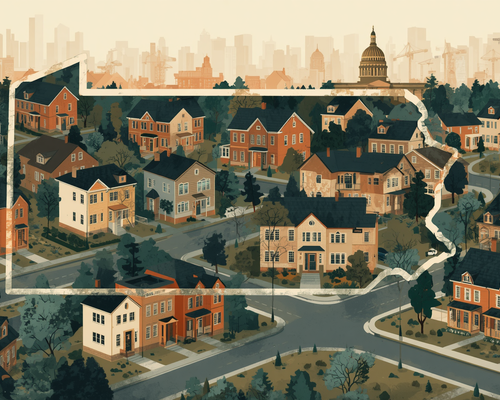
Pennsylvania’s housing affordability struggles are no longer perceived as a short-term effect of high mortgage rates or pandemic-related market disruptions. Instead, lawmakers, housing experts, and industry leaders are increasingly viewing the problem as a long-term structural issue that could shape the Commonwealth’s economic future for decades.
That reality was on full display as state lawmakers recently concluded a series of housing-focused legislative hearings examining why homeownership is becoming increasingly difficult for many Pennsylvanians and what policy changes may be necessary to address the problem.
The hearings brought together builders, developers, economists, housing advocates, local officials, and business leaders, all of whom delivered a consistent message: Pennsylvania is not building enough housing to meet demand, and the barriers preventing new construction are becoming increasingly difficult to ignore.
While the state's housing market has remained relatively resilient compared to some other parts of the country, experts warned that affordability pressures continue to mount, particularly for first-time buyers, working families, and younger residents trying to enter the market.
The discussions highlighted a growing concern among policymakers that Pennsylvania’s housing shortage is evolving into one of the state’s most significant economic challenges.
Home Prices Have Changed Dramatically Over the Past Decade
One of the most striking figures presented during the hearings involved the rapid rise in home prices across Pennsylvania.
Witnesses noted that the state's median home listing price increased from approximately $185,000 in 2016 to roughly $325,000 in 2025, a dramatic jump that has fundamentally changed the affordability landscape for many households.
While wage growth has occurred during that period, housing costs have risen significantly faster in many markets.
The result is a growing affordability gap that is making homeownership increasingly difficult for many prospective buyers.
For younger households, the challenge has become particularly severe.
Higher home prices mean larger down payments, bigger monthly mortgage obligations, and greater financial hurdles before buyers can even qualify for financing.
At the same time, elevated mortgage rates over the past several years have further increased monthly housing costs, creating additional obstacles for those trying to purchase their first home.
Many housing experts argue that affordability concerns are no longer confined to major metropolitan areas. Smaller cities, suburban communities, and even traditionally affordable regions of Pennsylvania have experienced significant price appreciation.
As a result, housing affordability has become a statewide issue rather than a localized problem.
The Supply Problem Is Taking Center Stage
Although interest rates often receive much of the public attention, testimony during the hearings repeatedly focused on another issue that many experts believe is even more important: housing supply.
Economists told lawmakers that Pennsylvania simply is not producing enough homes to keep pace with long-term demand.
When housing construction falls behind population and household growth, competition for available homes increases. That competition naturally places upward pressure on prices and rents.
According to many of the experts who testified, this dynamic has been unfolding in Pennsylvania for years.
The shortage is especially noticeable in the starter-home market.
Builders reported that entry-level housing has become increasingly difficult to develop due to rising land costs, construction expenses, regulatory requirements, and financing challenges.
As a result, many communities are seeing fewer affordable homes being built, limiting options for first-time buyers and contributing to ongoing inventory shortages.
The situation has created a cycle that becomes difficult to break. Limited inventory drives prices higher, higher prices reduce affordability, and affordability challenges make it harder for new households to enter the market.
Builders Say Permitting Delays Are Slowing Development
One of the most heavily discussed topics during the hearings was the complexity of Pennsylvania's development approval process.
Builders and developers testified that obtaining approvals for new housing projects often involves navigating multiple layers of regulatory review before construction can begin.
In some cases, projects may require approvals from numerous agencies, boards, commissions, and local governing bodies.
Industry representatives argued that these lengthy review processes add significant costs and uncertainty to housing development.
Every month a project spends waiting for approvals can increase carrying costs, financing expenses, labor costs, and material costs.
Those additional expenses ultimately affect the final price of homes.
Several industry leaders told lawmakers that projects moving from proposal to approval in less than two years are now considered unusually fast in some parts of the state.
Developers argue that reducing unnecessary delays could help increase housing production while also lowering costs.
Supporters of reform say the goal is not to eliminate oversight but to create a more predictable and efficient approval process that allows projects to move forward without years of uncertainty.
Labor Shortages Continue to Challenge the Industry
Even if permitting processes become more efficient, builders warned that another major challenge remains: a shortage of skilled workers.
Pennsylvania's construction industry continues to face difficulty recruiting enough electricians, plumbers, carpenters, equipment operators, and other skilled trades professionals.
Many builders reported that labor shortages are increasing project timelines and construction costs.
Industry groups have repeatedly called for expanded workforce development programs, trade school investments, and initiatives designed to attract more workers into construction careers.
Without additional labor capacity, experts warned that increasing housing production could remain difficult even if regulatory barriers are reduced.
The labor issue is becoming increasingly important because many experienced tradespeople are approaching retirement age while fewer younger workers are entering the industry.
As a result, workforce shortages may remain a significant challenge for years to come.
Local Zoning Rules Are Under Increasing Scrutiny
Another major focus of the hearings involved local zoning regulations.
Housing advocates argued that many zoning codes across Pennsylvania were written decades ago and often make it difficult to build the types of housing that today's market needs.
Restrictions on density, lot sizes, multifamily housing, and mixed-use developments can limit opportunities to increase housing supply.
Supporters of zoning reform argue that modernizing these regulations could help communities accommodate growth while creating more affordable housing options.
However, the issue remains highly controversial.
Many local officials and residents believe municipalities should retain control over development decisions affecting their communities.
Concerns about traffic, school enrollment, infrastructure capacity, environmental impacts, and neighborhood character frequently fuel opposition to higher-density housing proposals.
This tension between statewide housing needs and local control is likely to remain one of the most difficult policy challenges facing lawmakers moving forward.
Housing Affordability Is Becoming an Economic Development Issue
Perhaps the most important takeaway from the hearings is that housing affordability is increasingly being viewed as more than just a housing issue.
Business leaders, economic development officials, and workforce advocates warned lawmakers that housing shortages can directly affect Pennsylvania's ability to attract employers, workers, and investment.
Companies considering expansion often evaluate whether employees can find affordable housing near job centers.
When housing becomes too expensive or too scarce, workforce recruitment becomes more difficult.
This concern is particularly relevant as Pennsylvania competes for investment in sectors such as advanced manufacturing, life sciences, logistics, energy, and artificial intelligence infrastructure.
State leaders increasingly recognize that economic growth and housing supply are closely connected.
Without enough housing, future business expansion could face significant obstacles.
The Debate Is Just Beginning
While the hearing series has concluded, the broader policy debate is only beginning.
Lawmakers are now evaluating potential reforms that could address permitting delays, encourage additional housing construction, modernize zoning regulations, and improve affordability for future buyers.
Exactly what those reforms will look like remains uncertain.
What is becoming increasingly clear, however, is that housing affordability has emerged as one of the most important policy discussions in Pennsylvania.
The challenges identified during the hearings did not develop overnight, and most experts agree they will not be solved quickly.
But as home prices continue rising, inventory remains limited, and affordability pressures grow, the demand for action is becoming harder for policymakers to ignore.
For many Pennsylvanians hoping to buy a home in the years ahead, the decisions made in Harrisburg could play a major role in determining whether homeownership becomes more attainable—or continues moving further out of reach.
Discussion
Thoughts from readers and local market watchers.