



New Jersey's housing market continues to outperform much of the country, with strong demand, limited inventory, and the state's combination of suburban, urban, and coastal communities helping keep home values elevated.
A recent report highlights Monmouth County's Shore communities, where home prices in some towns are appreciating at roughly 6% to 10% annually, outpacing many traditionally popular destinations in the Sun Belt. The trend reflects a broader shift in how buyers view New Jersey, particularly as more households look for communities that combine access to major employment centers with quality-of-life amenities.
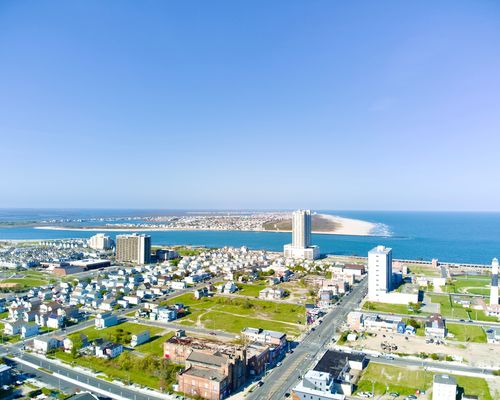
The Jersey Shore has become an especially important part of that story. Communities such as Asbury Park are increasingly attracting year-round residents, buyers relocating from other parts of the New York metropolitan area, and households looking for coastal properties that can serve as both primary residences and investment assets.
Recent market data supports the strength of the Asbury Park market. Home prices were up 14.3% year over year through June 2026, with a median sale price of approximately $857,000.
Monmouth County is showing similar resilience. The county's median home sale price reached roughly $748,000 in June, up 3.9% from a year earlier, while the number of homes sold increased more than 10%. Homes were also spending an average of just 20 days on the market, demonstrating that demand remains strong even as buyers contend with higher borrowing costs.
Limited inventory remains one of the biggest forces supporting prices.
While more properties are coming onto the market, supply remains insufficient in many desirable New Jersey communities. That is particularly true for homes in coastal locations, highly rated school districts, and commuter-friendly suburbs. Buyers may have somewhat more choices than they did during the tightest periods of the pandemic-era market, but competition remains strong for properties that are well located and appropriately priced.
The development market is responding to that demand as well.
In Asbury Park, the LIDO condominium development at 1201 Ocean Avenue recently secured a $211 million construction loan, the largest construction financing package ever arranged for a project in the city. The development will include 112 luxury condominiums and nearly 50,000 square feet of amenities, with completion expected in 2028. Early sales activity has already demonstrated strong demand for high-end coastal housing.
The continued investment is significant because developers are taking on major projects despite elevated construction and financing costs. That willingness to invest suggests that the long-term fundamentals of New Jersey's coastal market remain attractive.
The state's broader housing market is showing the same resilience. July data showed statewide closed residential sales rising 4.5% year over year, while homes for sale increased 5.9%. At the same time, the median sales price climbed 8%, indicating that additional inventory has not yet been enough to eliminate upward pressure on prices.
For buyers, that creates a complicated market.
There are more opportunities to choose from than there were a year ago, but affordability remains a significant obstacle. Higher mortgage rates, property taxes, insurance costs, and elevated home prices continue pushing monthly housing costs higher.
For sellers, however, the environment remains favorable when properties are priced correctly. Buyers are becoming more selective, but desirable homes in strong locations can still attract significant interest and sell quickly.
The strength of New Jersey's market also reflects the state's unique location. Residents can live near the coast, commute to New York City or Philadelphia, and access established employment centers, schools, restaurants, entertainment, and transportation networks without leaving the state.
That combination has helped New Jersey avoid some of the sharper slowdowns experienced in other parts of the country.
The market is not without challenges. Higher borrowing costs remain a major constraint, and builders continue facing elevated construction expenses. National builder sentiment remained weak in August, with mortgage rates still around the upper-6% range and construction costs weighing on new-home production.
Still, New Jersey's underlying demand remains strong.
For real estate professionals, the latest trends suggest that the state's market is moving toward a more balanced environment without becoming broadly buyer-friendly. Inventory is improving, but demand continues to absorb much of the new supply, particularly in desirable coastal and commuter communities.
As the second half of 2026 progresses, the combination of limited housing supply, continued migration, coastal demand, and major redevelopment investment could keep New Jersey among the country's strongest housing markets.
For now, the message from the market is clear: New Jersey buyers may have more choices, but the state's most desirable communities remain firmly in demand.
Discussion
Thoughts from readers and local market watchers.