


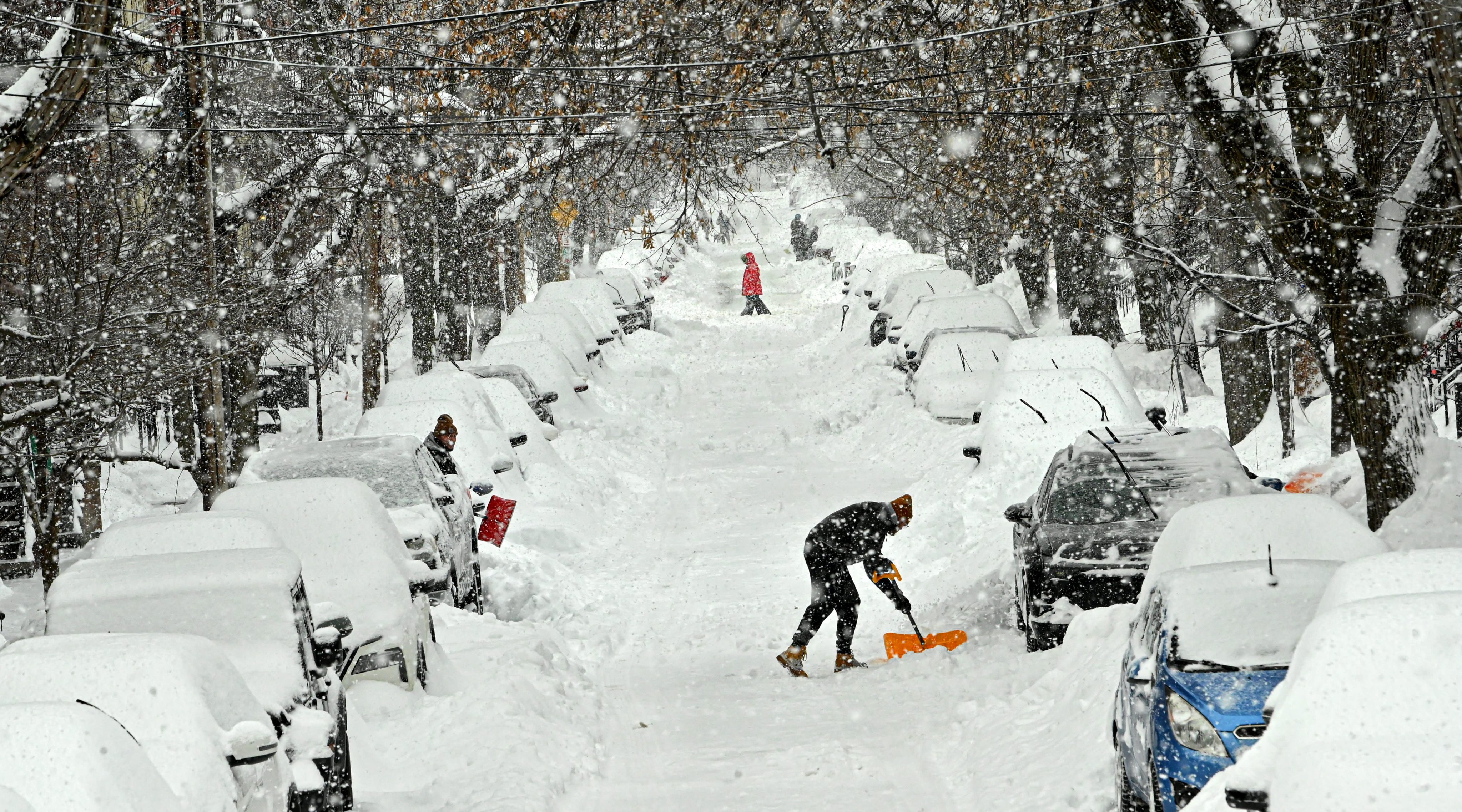
As 2026 unfolds, the U.S. housing market is facing an unusual challenge: winter weather. While mortgage rates remain relatively favorable compared to the peaks seen over the past few years, a series of severe snowstorms and icy conditions has temporarily slowed homebuying activity, highlighting just how much seasonal factors can affect the housing market.
According to the Mortgage Bankers Association’s (MBA) latest weekly survey, total mortgage application volume dropped 8.9% for the week ending January 30, a notable decline after steady growth earlier in the month. The biggest impact was felt in purchase applications, which track buyers seeking new home loans. These fell approximately 14% week-over-week, signaling that many prospective buyers simply stayed home as snow and ice made property tours and in-person transactions more difficult. Refinance applications also fell, though more modestly, down roughly 5%, reflecting a slowdown in homeowners seeking to take advantage of relatively low interest rates.
MBA Vice President and Deputy Chief Economist Joel Kan emphasized the role of winter weather in this slowdown. “Winter Storm Fern likely had an impact on mortgage activity,” Kan noted. “Snow and icy roads affected home showings, open houses, and loan processing. This is a seasonal disruption, not necessarily a reflection of long-term market trends.” The storm, which blanketed much of the Midwest and Northeast in heavy snow, effectively froze both buyer traffic and mortgage applications for several days.
Mortgage Rates Remain Attractive Despite Winter Chill
Even with the recent dip in demand, mortgage rates have remained comparatively low. The average 30-year fixed mortgage rate settled around 6.21%, down slightly from recent months and well below the nearly 7% highs seen in 2025. Historically, lower rates are a powerful incentive for both first-time buyers and homeowners considering refinancing. However, the severe winter weather temporarily outweighed the appeal of these rates, creating a short-term pause in activity.
For perspective, rates have been gradually declining since late 2025, driven by slower inflation and expectations that the Federal Reserve may take a more measured approach to future interest rate hikes. This combination of seasonal slowdown and low rates has created a mixed picture for lenders: strong affordability meets temporary weather-driven inactivity.
Seasonal Patterns and Housing Market Resilience
While this week-over-week drop may look dramatic, it’s important to recognize that winter slowdowns are typical in the housing market. Historically, January and February see softer activity as harsh weather, holiday fatigue, and school schedules limit home tours and closings. Past years show that mortgage applications often rebound sharply as spring arrives, with new listings, open houses, and buyer traffic increasing substantially.
Despite the temporary chill, the housing market has remained relatively resilient. Year-over-year purchase applications were still higher than in early 2025, showing that buyers remain motivated by favorable interest rates and ongoing demand for housing in many markets. Additionally, areas less affected by snowstorms — particularly in the South and Southwest — continued to see steady activity.
Impacts on Homebuyers and Sellers
For homebuyers, this slowdown presents both challenges and opportunities. On the one hand, limited activity may mean fewer homes are available temporarily, and some sellers may postpone listing properties until the spring. On the other hand, lower competition could give motivated buyers more leverage when negotiations resume.
Sellers and real estate agents also feel the seasonal impact. Open houses, in-person tours, and inspections can be delayed, pushing back closings and creating temporary bottlenecks in the sales process. Many agents encourage clients to plan for flexibility in timing and remain prepared for weather-related delays in February and early March.
Spring Market Optimism
Economists and housing analysts anticipate that mortgage demand will rebound as spring approaches. As the weather improves, buyers who postponed house hunting during the winter months are likely to return, spurred by continued affordability and easing rate pressures. Historically, the spring selling season accounts for the highest level of activity in the housing market, often offsetting winter lulls.
In addition, the ongoing economic backdrop — including stable employment levels, moderate inflation, and relatively low mortgage rates — provides a favorable environment for buyers. Those considering entering the market now may benefit from both competitive rates and the ability to negotiate before the full spring surge begins.